Spotlight: Lillian Gish
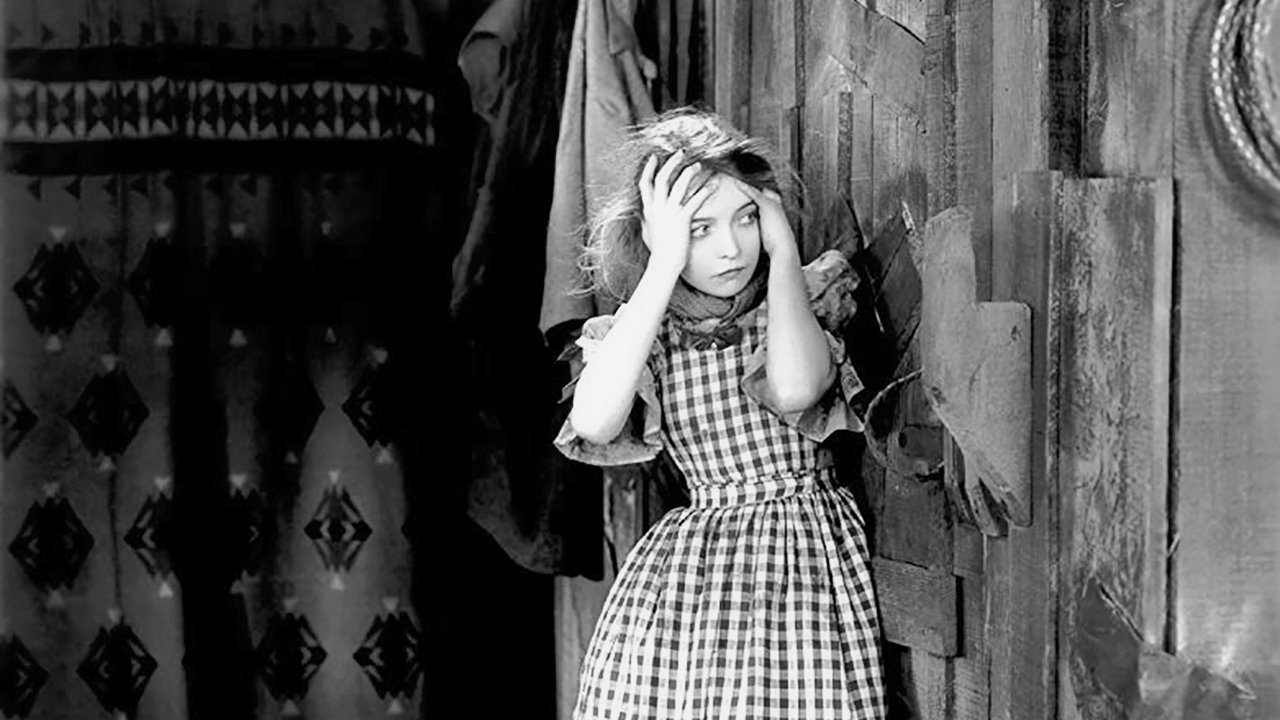
Lillian Gish is the greatest actress of the silent era, and a serious case can be made that she is the greatest screen actress of any era. She began performing on stage as a child to support her family, entered films in 1912 at the invitation of her friend Mary Pickford, and immediately became D.W. Griffith's most important collaborator — not merely his leading lady but his creative partner in developing the grammar of cinematic storytelling. She understood instinctively what the camera required: performances of radical interiority, stripped of theatrical exaggeration, built from the smallest gestures of the face and hands. Her range was extraordinary. She could play fragile innocence in True Heart Susie and ferocious maternal protectiveness in Way Down East, where she performed the famous ice-floe sequence herself in conditions that permanently damaged her hand. She brought aristocratic composure to La Bohème and The Scarlet Letter, and in The Wind she delivered what many consider the finest performance in all of silent cinema: a woman driven to madness by isolation, wind, and the violence of men, rendered with a psychological precision that anticipates the best work of the sound era by decades. Gish outlived nearly every other figure from the silent period, working steadily into her nineties, and she never stopped advocating for the art form that she had helped create. The twelve films collected here span her entire silent career, from the early Griffith one-reelers through the late MGM productions, and they constitute an unmatched record of screen acting at its highest level.
12 films
The Musketeers of Pig Alley
1912 · D.W. Griffith
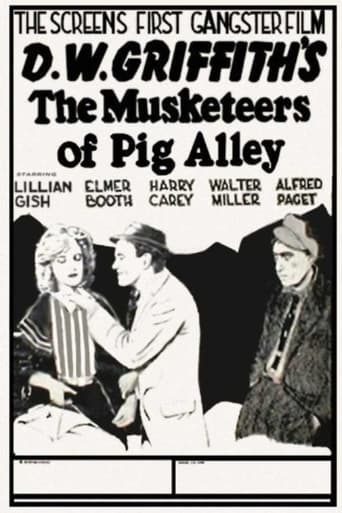
Griffith's one-reel crime drama is often cited as the first gangster film, and Gish appears in it at seventeen, already part of Griffith's company. The film follows a gang leader in the tenements of New York, and Gish plays one of the neighborhood women caught in the violence. Her role is small, but her presence is notable: she is already composed and watchful in front of the camera at a time when most screen actors were still mugging for the back row. This was among her first film appearances, and it demonstrates the naturalism that would become her defining quality.
The Mothering Heart
1913 · D.W. Griffith
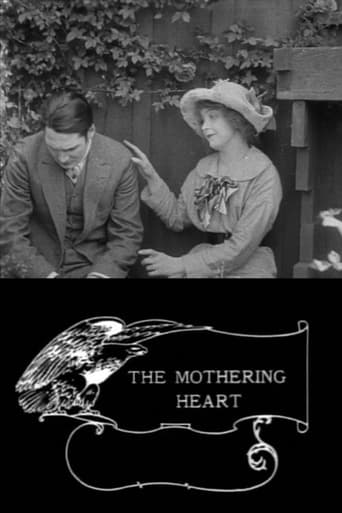
This short drama gave Gish one of her first substantial roles: a young wife whose husband neglects her for other women. The film climaxes with Gish's character discovering the affair and smashing her husband's phonograph records in a scene of barely contained fury — an eruption of emotion that announced Gish as an actress of uncommon power. Griffith was developing his close-up technique during this period, and Gish's face proved to be the ideal instrument for it. She could communicate volumes with the smallest shift of expression, and The Mothering Heart is the first film that fully exploits this gift.

The Birth of a Nation
1915 · D.W. Griffith
Griffith's Civil War epic was the most commercially successful film of the silent era and also one of the most morally indefensible, a technically revolutionary work built on a foundation of vicious racial ideology. Gish plays Elsie Stoneman, the Northern senator's daughter whose romance with a Confederate officer drives the melodramatic plot. Her performance is effective within the conventions of the period, and her scenes with Henry B. Walthall have a genuine tenderness. But the film's celebration of the Ku Klux Klan makes it impossible to discuss without acknowledging the damage it did. Gish herself later expressed discomfort with the film's racial content, though she never fully reckoned with her role in it.
Intolerance: Love's Struggle Throughout the Ages
1916 · D.W. Griffith
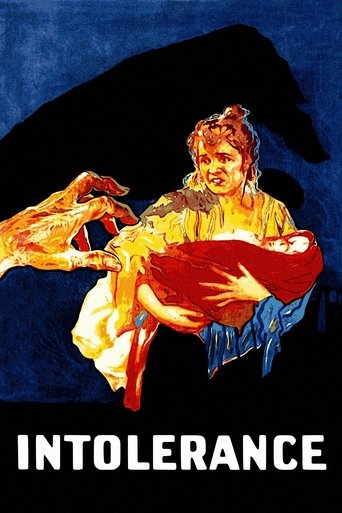
Griffith's response to the controversy over The Birth of a Nation was this massive, unwieldy, visionary epic that intercuts four stories of intolerance across two thousand years of human history. Gish appears as the Woman Who Rocks the Cradle, a linking figure who connects the four narratives. It is an allegorical role rather than a dramatic one, and Gish brings to it a gravity and stillness that anchors the film's sprawling ambitions. Intolerance was a commercial failure that nearly bankrupted Griffith, but its formal innovations — the cross-cutting between time periods, the escalating parallel montage of the climax — influenced filmmakers for decades.
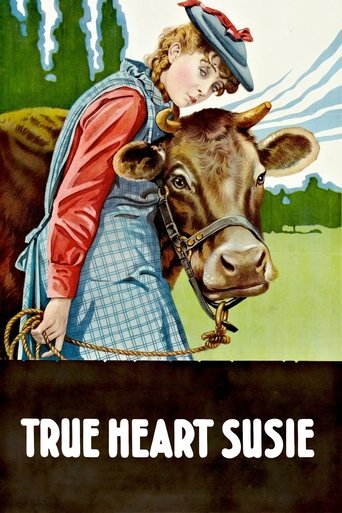
True Heart Susie
1919 · D.W. Griffith
This gentle pastoral romance is one of the purest demonstrations of Gish's ability to create a complete character from minimal material. She plays Susie, a small-town girl who loves the boy next door and waits patiently while he pursues a flashier woman. The story is slight, but Gish fills it with such precise emotional detail — the hopeful glances, the quietly swallowed disappointments, the radiant joy when love is finally returned — that it becomes deeply moving. Griffith shot much of it outdoors in natural light, and Gish's face in these scenes has an almost photographic purity that no amount of studio lighting could replicate.
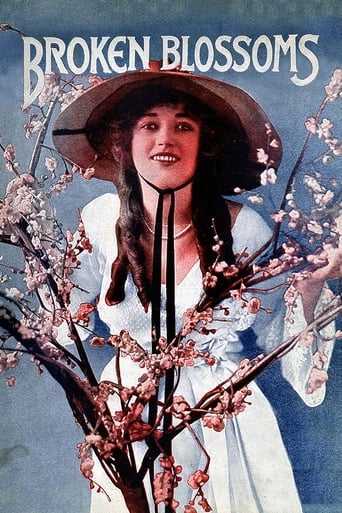
Broken Blossoms
1919 · D.W. Griffith
Griffith's intimate melodrama set in London's Limehouse district cast Gish as Lucy, a brutally abused young woman who is befriended by a Chinese shopkeeper played by Richard Barthelmess. The film's depiction of its Chinese character is compromised by yellowface casting, but Gish's performance as Lucy is devastating. She plays a girl so beaten down by her father's violence that she has forgotten how to smile, and the scene where Barthelmess's character teaches her to push the corners of her mouth up with her fingers is one of the most heartbreaking moments in silent cinema. Gish reportedly kept ice in her mouth during the death scene to make her face look appropriately pale.
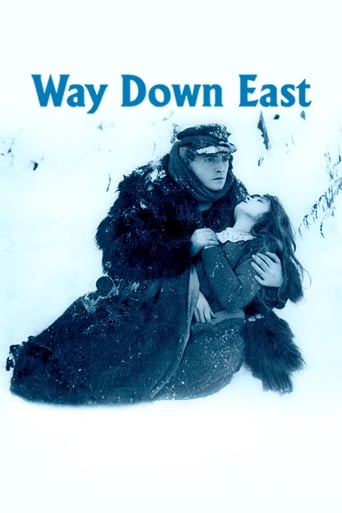
Way Down East
1920 · D.W. Griffith
The ice-floe sequence in Way Down East is one of the most famous set pieces in silent cinema, and Gish performed it herself. She lay on a real ice floe in a real river in sub-zero temperatures, letting her hand and hair trail in the freezing water as the ice drifted toward a waterfall. She did take after take. The fingers on one hand were permanently damaged. The sequence lasts only minutes on screen, but it represents the extreme of Gish's physical commitment to her craft. The rest of the film is a Victorian melodrama about a woman wronged by a sham marriage, and Gish elevates every scene of it through the sheer force of her emotional conviction. It was the biggest commercial hit of the Griffith-Gish collaboration.
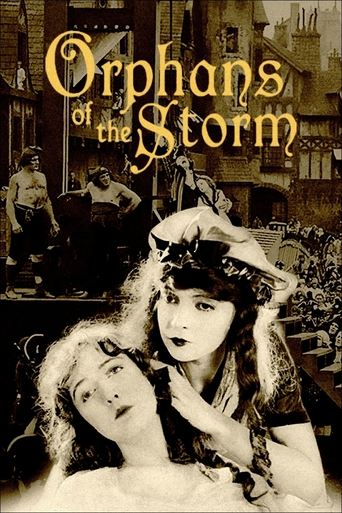
Orphans of the Storm
1921 · D.W. Griffith
Gish and her sister Dorothy play aristocratic sisters separated during the French Revolution in this late Griffith spectacle. The film is uneven — Griffith's storytelling had grown increasingly old-fashioned by 1921 — but the performances of both Gish sisters are superb, and the climactic sequence, in which Lillian's character is nearly executed while a rescue races through the streets of Paris, is masterfully edited. The film marked the end of an era: it was one of the last major Griffith-Gish collaborations, and Gish left his company shortly afterward to work with other directors, a decision that would lead to the greatest phase of her career.
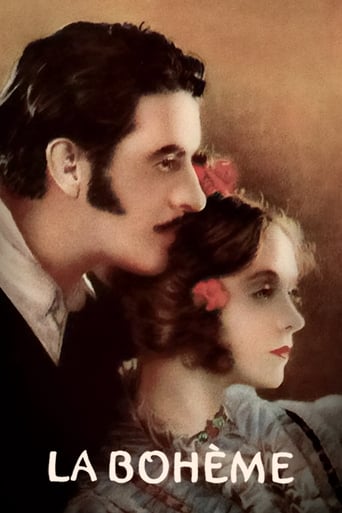
La Bohème
1926 · King Vidor
King Vidor directed this adaptation of Puccini's opera, with Gish as Mimi and John Gilbert as Rodolphe. Stripped of the music, the story depends entirely on the performances, and Gish is remarkable. She brings an aristocratic fragility to Mimi that makes the character's decline from consumption both beautiful and genuinely painful to watch. The film demonstrated that Gish could thrive outside of Griffith's direction, bringing the same emotional precision to a more polished, studio-era production. Her scenes with Gilbert have real chemistry, and the death scene is played with a restraint that makes it more affecting than any amount of theatrical suffering would have been.
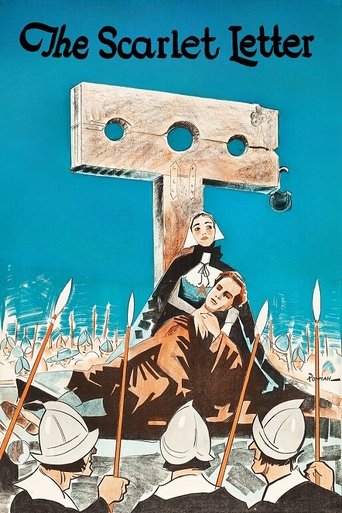
The Scarlet Letter
1927 · Victor Sjöström
Victor Sjöström directed this adaptation of Nathaniel Hawthorne's novel, and Gish's Hester Prynne is one of the great literary performances in silent film. She plays the role with a quiet, unyielding dignity that makes the community's persecution feel like an assault on the audience as much as on the character. Gish had significant input into the production — she had championed Sjöström as director and was deeply involved in shaping the film's tone — and the result is a seamless collaboration between actress, director, and material. The Scarlet Letter was a major critical and commercial success and confirmed Gish's status as the preeminent dramatic actress of the era.
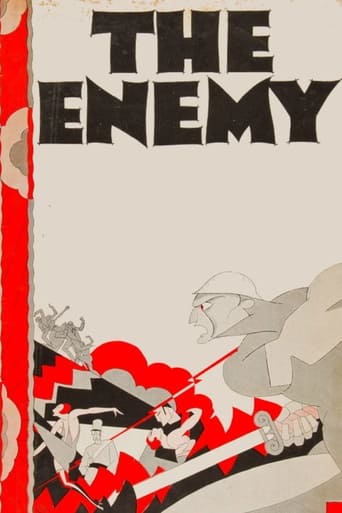
The Enemy
1927 · Fred Niblo
Fred Niblo directed this anti-war drama in which Gish plays a woman whose husband is transformed by the brutality of World War I. The film is less well known than Gish's other late silents, but her performance is characteristically nuanced. She conveys the slow erosion of a marriage with a subtlety that most silent film acting could not approach, and her scenes of quiet desperation carry an emotional weight that transcends the film's occasionally schematic plotting. The Enemy was part of Gish's MGM contract period, and it shows her adapting her intimate, psychologically detailed style to the more polished production values of the major studio system.
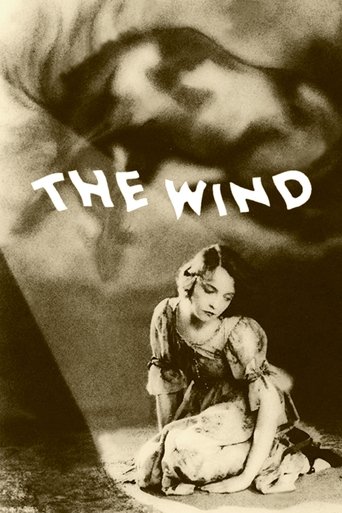
The Wind
1928 · Victor Sjöström
Sjöström's masterpiece, and what many consider the single greatest performance in silent cinema. Gish plays Letty, a young woman from Virginia who marries a man she does not love and is driven to the edge of madness by the relentless wind and isolation of the West Texas plains. Gish's performance is a tour de force of physical and psychological acting: she conveys Letty's deterioration through her entire body, from the way she flinches at the sound of the wind to the hollow, exhausted stare she fixes on the horizon. The studio forced a happy ending, but even this compromise cannot diminish the power of what Gish and Sjöström achieved. The Wind was a commercial disappointment on release — audiences were already moving to sound — but its reputation has only grown. It is Gish's definitive work, the fullest expression of a talent that was, by any reasonable measure, the greatest in the history of silent film.