Curated selections exploring movements, themes, and eras of cinema

The silent era spans roughly three decades — from the Lumière brothers' first public screening in 1895 to the arrival of synchronized sound in the late 1920s — and contains some of the most inventive, visually stunning, and emotionally powerful filmmaking ever produced. These twenty films offer an introduction to the period's essential works and movements: the trick films that first revealed cinema's capacity for magic, the rise of narrative storytelling, the explosive creativity of German Expressionism and Soviet montage, the golden age of screen comedy, and the artistic peaks that still define what the medium can achieve. If you're new to silent film, start anywhere — every one of these will change your understanding of what early cinema was.
20 films

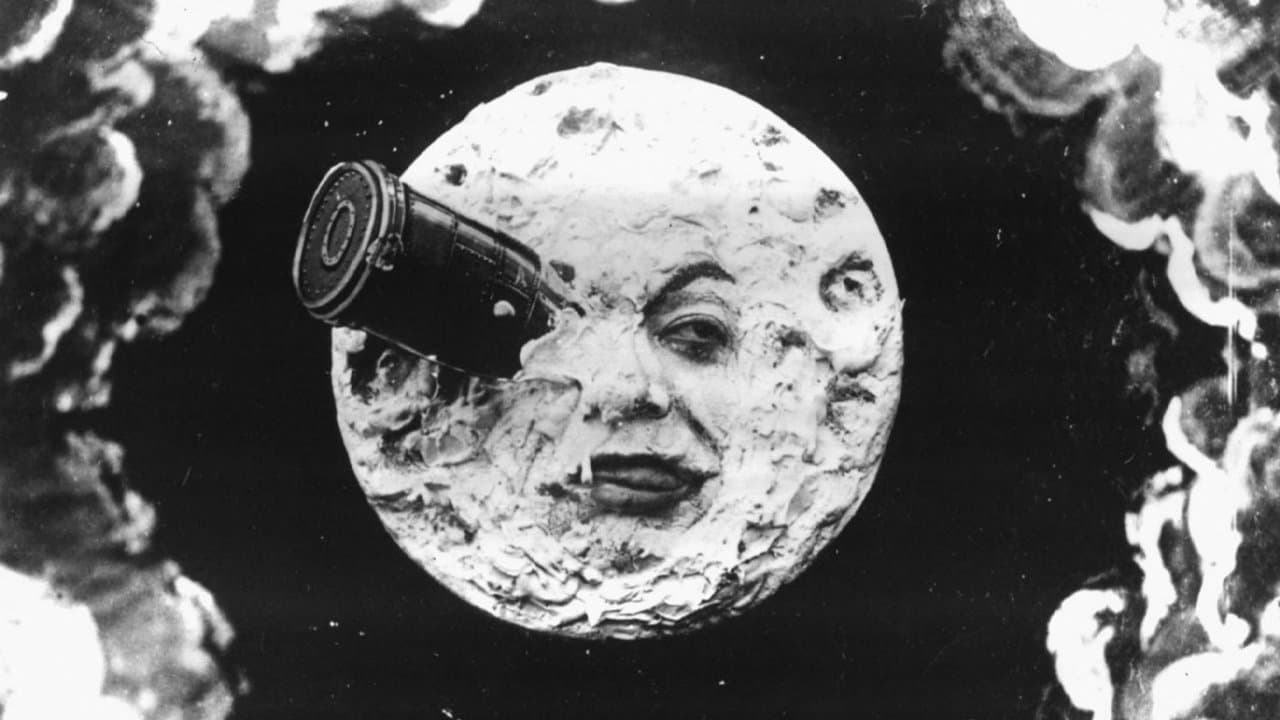
Before there were genres, stars, or studios, there was simply the astonishment of moving pictures. This collection traces cinema's earliest steps, from the Lumière brothers' first public screening in 1895 through the pioneering innovations of the following fifteen years. Each film here represents a genuine milestone: the first comedy, the first horror film, the first animation, the first narrative editing, the first science fiction. What's remarkable is how quickly the medium evolved. In barely a decade and a half, cinema went from recording a train pulling into a station to constructing elaborate fantasy worlds and mounting social arguments through the power of editing. These are the films where it all began.
17 films

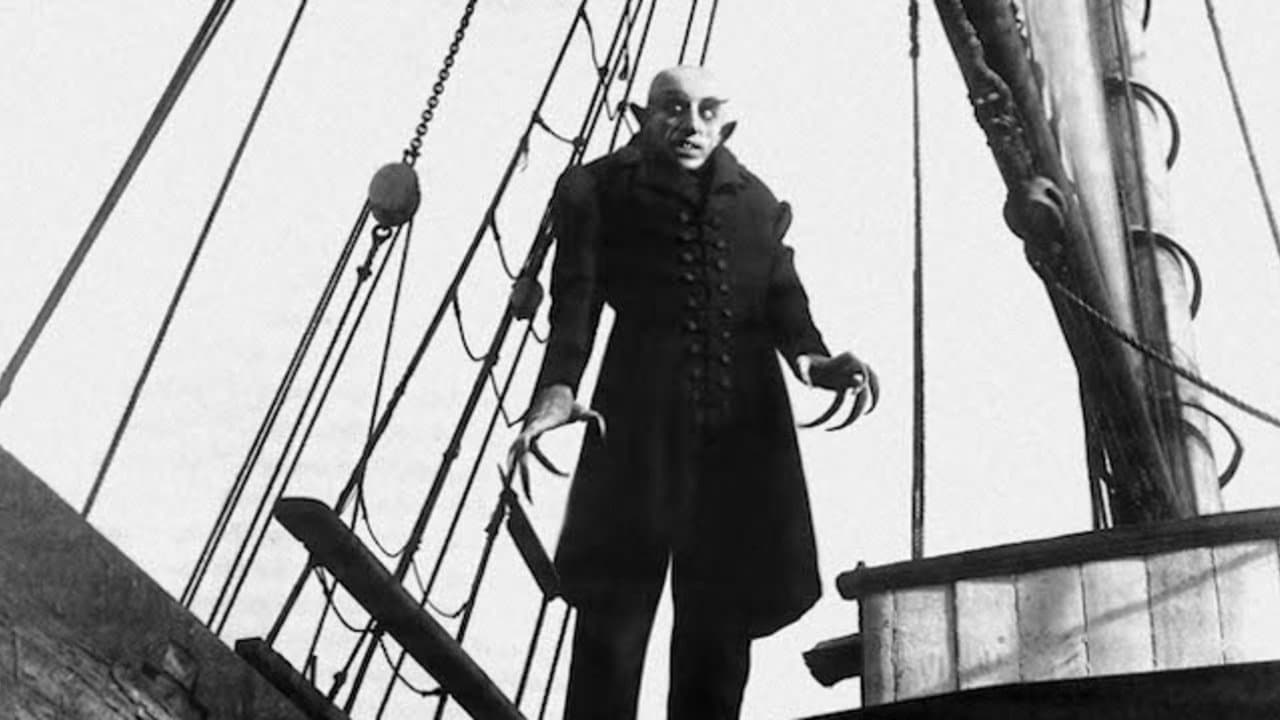
German Expressionism was never just an art style — it was a scream. Born in the wreckage of World War I, in a Germany reeling from defeat, revolution, hyperinflation, and the collapse of every certainty the old empire had promised, it took the internal states that realism couldn't touch — dread, madness, desire, despair — and made them visible. Sets buckled and leaned. Shadows moved with intentions of their own. The camera itself became untrustworthy. The movement proper runs from The Cabinet of Dr. Caligari in 1920 to roughly the mid-1920s, but its influence bled forward through the entire Weimar period and ultimately into Hollywood, carried there by the very filmmakers who'd invented it when they fled the Nazis in the 1930s. Film noir, horror cinema, science fiction — all descend from what these directors built in Berlin studios out of painted canvas, angled light, and a nation's collective anxiety. This collection traces the full arc: from Caligari's painted nightmares through the movement's peak in the mid-twenties to its late transformation into New Objectivity, ending with Fritz Lang's M — the film where Expressionism shed its stylized sets but kept its soul.
19 films

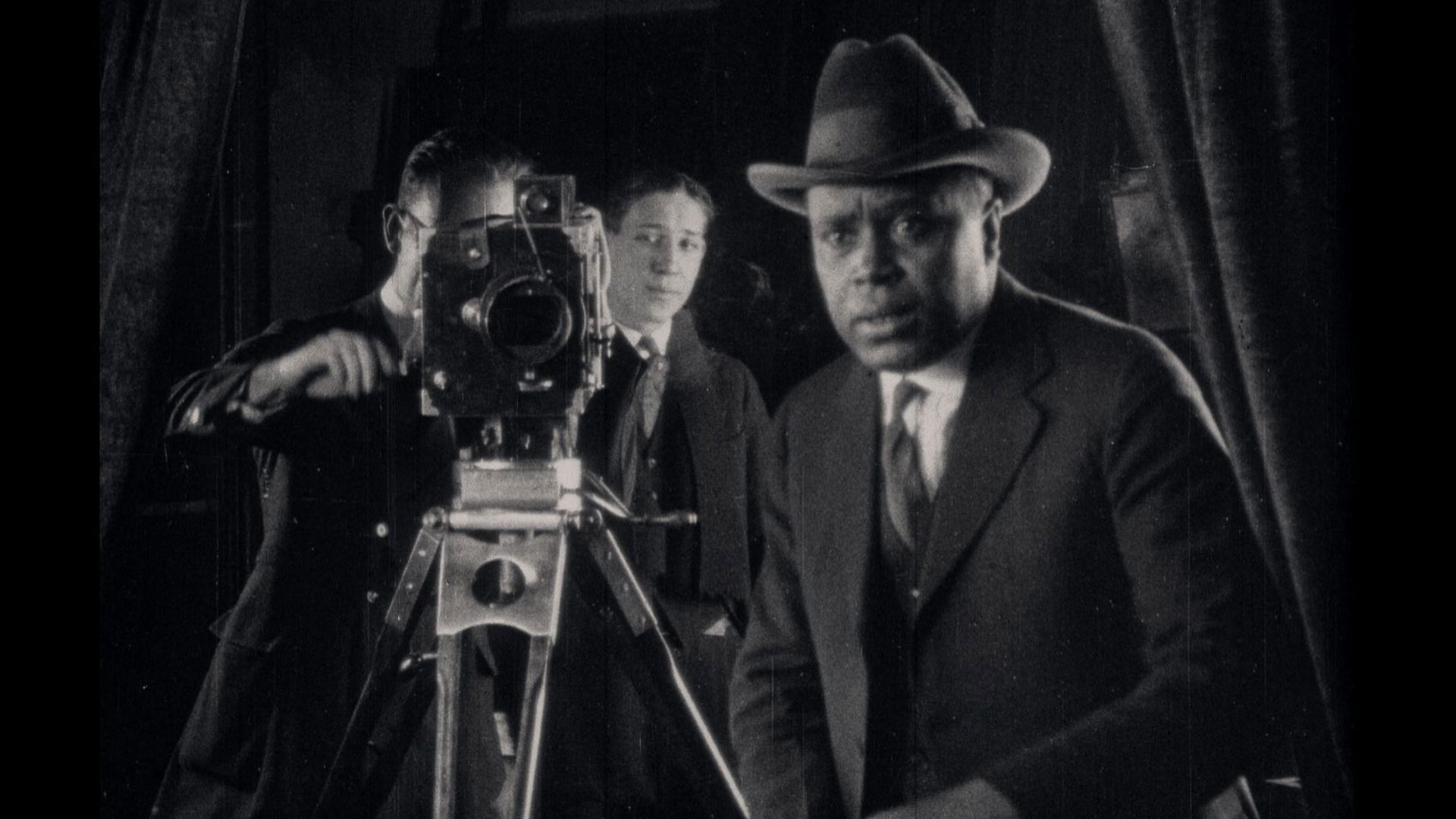
Oscar Micheaux was the most prolific Black filmmaker in American history, and one of the most remarkable self-inventors the film industry has ever produced. The son of former slaves, he worked as a Pullman porter, homesteaded 500 acres in South Dakota, and published a series of semi-autobiographical novels before turning to filmmaking in 1919 because Hollywood wouldn’t make his stories, so he made them himself. Over the next three decades he wrote, produced, directed, and personally distributed more than forty films to the segregated theaters of the “race circuit,” becoming the only Black filmmaker to survive the transition from silents to sound. His films were made under conditions of radical constraint - underfunded, shot fast, technically rough and they addressed subjects Hollywood refused to touch: lynching, racial passing, intermarriage, the violence of white supremacy, and the full complexity of Black American life at a time when the dominant cinema offered only caricature and contempt. Two-thirds of his work is lost. What survives is essential.
9 films

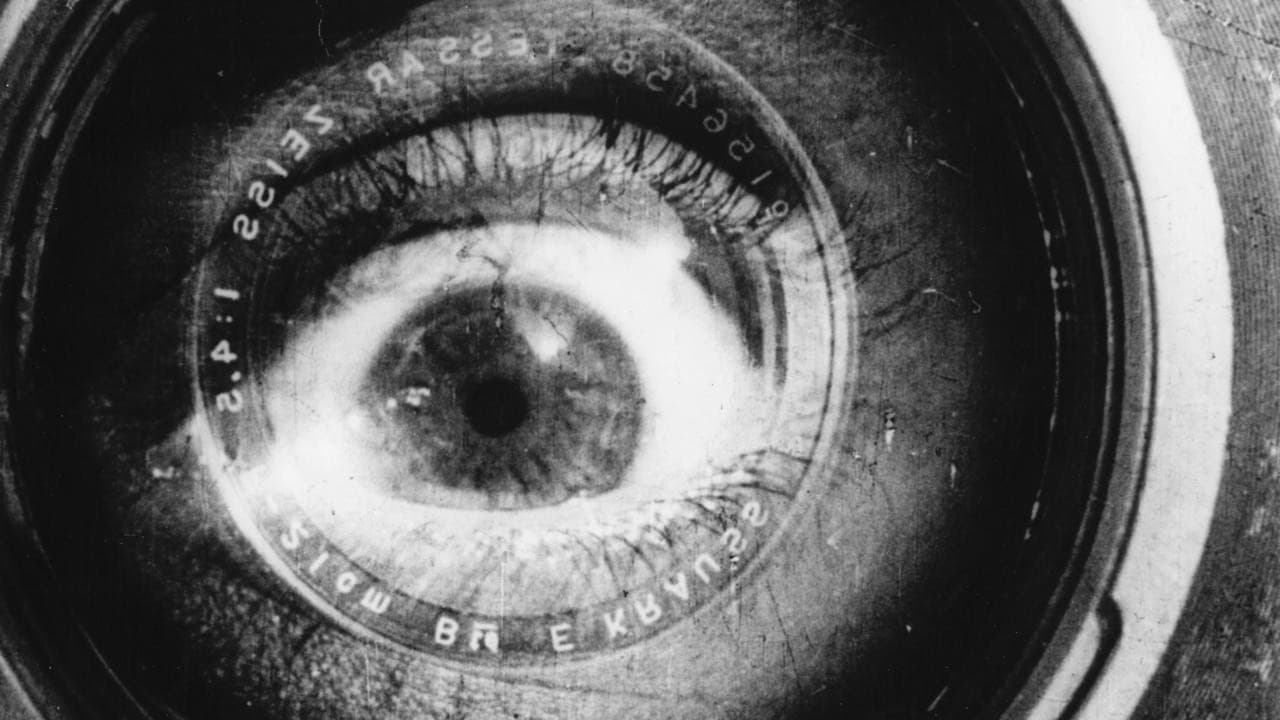
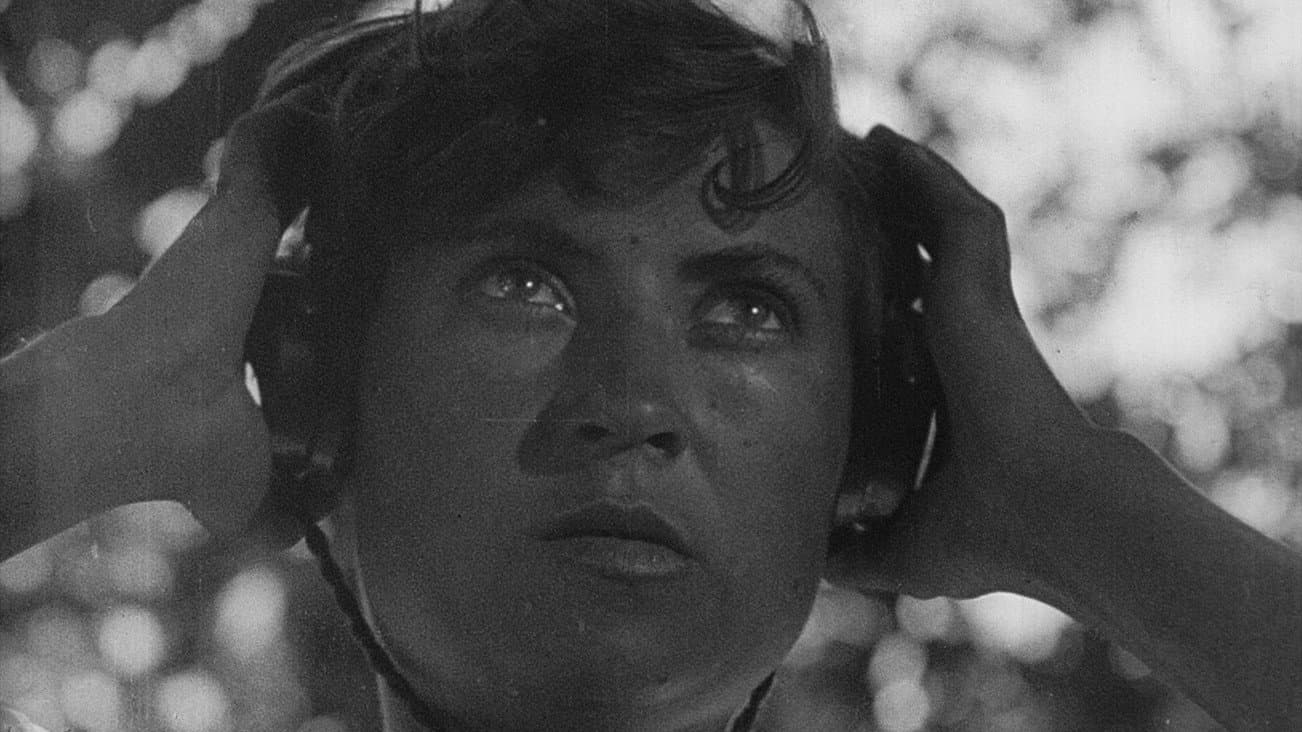
Soviet montage was born from a paradox: a country that could barely keep its projectors running produced the most radical rethinking of film form the medium has ever seen. In the years after the 1917 Revolution, a generation of filmmakers working with almost no resources — scavenged film stock, improvised equipment, unheated studios — took apart the basic unit of cinema, the edit, and rebuilt it as an instrument of thought. Their argument was simple and enormous: meaning in film does not live inside the shot. It lives in the collision between shots. The theorists disagreed with each other constantly, and those disagreements are the engine of the movement. Eisenstein believed in montage as intellectual shock — the juxtaposition of unrelated images to force the viewer into new understanding. Pudovkin believed in montage as emotional construction — linking images to build feeling the way a novelist builds a sentence. Vertov rejected fiction altogether and argued that the camera's purpose was to capture life and reorganize it into patterns invisible to the naked eye. Dovzhenko ignored all three and made films that felt like poems, lyric and earthy and impossible to theorize. Kuleshov, the teacher who started it all, had proven with a single experiment that the same actor's face, juxtaposed with different images, appeared to express completely different emotions — meaning the audience, not the performer, created the feeling. This collection traces the movement from its first experiments in the early 1920s through its extraordinary peak in the late twenties, when Soviet cinema was producing masterworks at a rate that has never been matched, to the moment when the state's demand for ideological clarity made the movement's formal ambitions untenable. Start with Eisenstein if you want to be overwhelmed. Start with Barnet if you want to be surprised. Start with Vertov if you want to see what cinema looks like when it refuses to tell stories at all.
19 films

Before Hollywood consolidated its dominance, before German Expressionism made its mark, the most artistically advanced cinema in the world was coming out of Sweden and Denmark. Between roughly 1913 and 1924, Scandinavian filmmakers developed something no other national cinema had attempted: a form of screen storytelling rooted in landscape, natural light, and a moral seriousness inherited from Ibsen and Strindberg. Where other cinemas built sets, the Scandinavians went outside. Mountains, frozen lakes, coastal storms, and endless northern light became not just settings but active participants in the drama, externalizing the psychological states of characters who were themselves drawn with a novelistic complexity that was years ahead of the rest of the world. The three towering figures are Victor Sjöström, Mauritz Stiller, and Carl Theodor Dreyer. Sjöström was the movement's conscience, a director-actor whose films about guilt, redemption, and the crushing weight of nature remain overwhelming a century later. Stiller was its sophisticate, equally capable of sweeping literary adaptation and razor-sharp social comedy. Dreyer, the Dane, was its radical, stripping cinema down to essentials with an austerity that only grew more uncompromising as the decades passed. Around them worked a constellation of less famous but equally interesting filmmakers: Benjamin Christensen, whose Häxan remains unlike anything else ever made; Karin Swanström, one of the era's rare female directors; and Per Lindberg, who brought a sharp urban sensibility to a tradition dominated by rural landscapes. The golden age ended when Hollywood came calling. Sjöström and Stiller both left for America in the mid-1920s, taking Greta Garbo with them. Dreyer continued working in Europe on his own uncompromising terms. But the sensibility they forged never disappeared. It resurfaces in Bergman, in Tarkovsky, in every film that trusts landscape and silence to carry the emotional weight that dialogue cannot.
17 films

Silent comedy was the first universal language. Before Hollywood figured out how to make dramas that crossed borders, it discovered that a man falling down was funny in every country on earth, and that the best comedians could make that fall mean something. Between roughly 1914 and 1931, American screen comedy evolved from the anarchic chaos of the Keystone Cops to the most sophisticated physical storytelling the medium has ever produced, generating four undeniable geniuses (Chaplin, Keaton, Lloyd, Langdon), the greatest comedy team in history (Laurel and Hardy), and a body of work whose formal invention rivals anything the avant-garde was doing in Europe. The differences between the major comedians are as important as the similarities. Chaplin fused comedy with pathos until the two became inseparable, creating a figure (the Tramp) who could break your heart with a dinner roll. Keaton engineered gags with the precision of a mathematician and performed them with a stoicism that made the impossible look inevitable. Lloyd played the anxious, striving everyman whose comedy came from recognition rather than wonder. Langdon moved through the world with a slow, dreamy innocence that made even Chaplin nervous. And Laurel and Hardy perfected the art of reciprocal destruction, building elaborate catastrophes from the simplest possible materials: a hat, a piano, a Christmas tree. This collection traces the full arc, from Chaplin's earliest experiments with the Tramp through the towering features of the mid-twenties to City Lights in 1931, which Chaplin released as a silent film into a world that had already moved on to sound. He was right to do it. The film is perfect.
18 films

Anna May Wong was Hollywood's first Chinese American film star and one of the most consequential, and most wronged, figures in the history of cinema. Born Wong Liu Tsong in Los Angeles in 1905, she broke into films as a teenager and quickly demonstrated a screen presence that critics consistently singled out even when the films around her were mediocre. Her career is a study in paradox: she was internationally celebrated as a fashion icon and a major star in Europe, while American studios kept her trapped in stereotypical Dragon Lady and exotic villain roles, systematically denied her the leading parts she deserved. Anti-miscegenation laws literally prevented her from kissing a white co-star on screen, which effectively barred her from most romantic leads. She responded with remarkable resourcefulness, founding her own production company, traveling to Europe where she was treated as the star she was, mastering French and German to act in multiple language versions of films, and performing Shakespeare on stage opposite Laurence Olivier. She died in 1961 at fifty-six, just before the tide of history might finally have turned in her favor, but her legacy as a pathbreaker for Asian American representation in Hollywood is now rightly celebrated. The films collected here trace her career from a teenage extra to an international star, and they document both the brilliance of her talent and the constraints that prevented it from being fully realized.
13 films

Hollywood's silent era was an age of astonishing ambition. Filmmakers mounted productions of breathtaking scale, constructing entire ancient cities on studio backlots, sending cameras to the Arctic and the jungles of Siam, and staging battle sequences with thousands of extras. These films represent cinema as spectacle in its purest form. From D.W. Griffith's colossal vision in Intolerance to the aerial dogfights of Wings and Hell's Angels, this collection showcases the grand epics, sweeping adventures, and larger-than-life productions that defined American cinema's first golden age. What unites them is a shared conviction that the movie screen could contain anything the imagination dared to attempt.
19 films

Between the world wars, France became the laboratory where cinema discovered it could be an art form on par with painting, poetry, and music. The filmmakers in this collection rejected the conventions of commercial storytelling in favor of something more ambitious: a cinema of rhythm, light, and subjective experience. They called themselves Impressionists, Dadaists, Surrealists, and sometimes refused labels altogether, but they shared a conviction that the camera could reveal truths invisible to the naked eye. The movement drew from an extraordinary range of sources. Georges Méliès had already demonstrated cinema's capacity for fantasy and illusion at the turn of the century. Louis Feuillade's hallucinatory crime serials inspired the Surrealists decades before Surrealism had a name. Abel Gance pushed montage toward a kind of visual symphony. The Impressionists, led by Germaine Dulac, Jean Epstein, and Marcel L'Herbier, pursued what they called "photogénie," the idea that cinema could capture an inner essence of objects and faces that ordinary perception missed. And when the Dadaists and Surrealists arrived, they turned the screen into a space for automatic writing, dream logic, and provocations designed to short-circuit rational thought. What makes these films so exhilarating today is their sheer inventiveness. Every formal device we associate with cinematic experimentation, from superimposition and rhythmic editing to distorted lenses and the abolition of narrative, was pioneered in this period. These filmmakers were not just ahead of their time. In many ways, the rest of cinema is still catching up.
18 films

Cinema has been drawn to the supernatural since its very first frames. In 1896, Georges Méliès pointed a camera at a stage trick and conjured the Devil out of a puff of smoke. Within three decades, filmmakers across Europe and America had built an entire visual language for the uncanny: distorted shadows, double exposures, faces emerging from darkness, spaces that refused to obey the laws of physics. The films in this collection represent that language at its most powerful and inventive. What connects these works is not a single national tradition or artistic movement but a shared fascination with the boundary between the living and the dead, the natural and the impossible. German Expressionism gave us the angular nightmares of Caligari and the rat-like creeping of Nosferatu. Scandinavian cinema produced the spectral carriage rides of Sjöström and the pseudo-documentary witchcraft of Christensen. Hollywood contributed Lon Chaney's tortured transformations and the eerie tropical voodoo of White Zombie. And threading through all of it is the figure of the occultist, the alchemist, the sorcerer who seeks forbidden knowledge and pays the price. These films still unsettle because their techniques bypass rational comfort. Superimposition makes ghosts visible. Chiaroscuro lighting turns ordinary rooms into traps. Expressionist sets externalize inner terror. The supernatural was not just a genre for early cinema; it was an argument for what the medium could do that no other art form could match.
20 films

Japanese cinema developed along a path unlike any other national tradition. While the rest of the world embraced intertitles, Japan retained the benshi, live narrators who stood beside the screen and performed all the characters' voices, provided commentary, and shaped the audience's emotional response to the images. This practice, rooted in centuries of theatrical storytelling, meant that Japanese filmmakers thought about the relationship between image and voice differently from their Western counterparts, and it helps explain why the transition to sound happened later in Japan than almost anywhere else. The films in this collection span from 1921, when Minoru Murata made what is often cited as the first significant Japanese art film, to 1936, when Kenji Mizoguchi produced the work that announced him as one of cinema's great artists. Between those dates, Japanese filmmakers created a body of work that encompassed radical avant-garde experimentation, swashbuckling period adventure, and a tradition of quiet domestic observation that has no real equivalent in Western cinema. Yasujirō Ozu was already developing the understated family dramas that would eventually make him one of the most revered directors in film history. Teinosuke Kinugasa was pushing formal boundaries as aggressively as anything happening in Europe. And Sadao Yamanaka, killed in the war at twenty-eight, was reinventing the samurai genre with a humanist wit that anticipated decades of later filmmaking. What strikes a modern viewer about these films is how little they conform to Western assumptions about what early cinema looks like. The pacing, the compositions, the emotional register all reflect a distinct cultural sensibility. These are not imitations of European or American models; they are the products of a cinematic tradition that was, from the beginning, fully its own.
12 films

Tod Browning ran away from his Kentucky home as a teenager to join the circus, and he never really left. He worked as a contortionist, a clown, and a sideshow barker before drifting into the film industry, and the world of traveling performers, carnival grifters, and criminal outcasts became the subject of virtually everything he directed. His films are populated by people who live on the margins: thieves, con artists, sideshow acts, and men so consumed by obsession that they will mutilate themselves rather than abandon it. No other director of the period returned so consistently to the same territory, and no one else made that territory feel so authentic. Browning's greatest creative partnership was with Lon Chaney, and five of the nine films here were made together. Chaney gave physical form to the damaged, driven characters Browning imagined, enduring extraordinary discomfort to play legless crime lords, armless circus performers, and paralyzed magicians plotting revenge from the swamps of East Africa. But even without Chaney, Browning's films share a distinctive atmosphere: a fascination with deception and disguise, a sympathy for people the respectable world considers monstrous, and a willingness to push melodrama into territory so extreme it becomes something like poetry. These nine films represent Browning's silent and early sound work. His most famous productions, Dracula and Freaks, came later and are not yet in the catalog, but the creative sensibility that produced them is fully visible here. The underworld Browning built on screen was drawn from the one he had lived in, and that firsthand knowledge gives his films a texture that studio-bound directors could never replicate.
9 films

Silent cinema understood desire better than most of what came after it. Without dialogue to explain away emotion, filmmakers had to find visual equivalents for longing, obsession, jealousy, and the reckless surrender of falling in love. The results were often more honest than words could have been. A lingering close-up of Greta Garbo's face in Flesh and the Devil communicates more about erotic power than any line of dialogue. The way Murnau's camera follows a couple through a crowded city in Sunrise captures the feeling of being so absorbed in another person that the rest of the world literally dissolves. The films in this collection explore the full range of what desire does to people. Some of these stories are tender, even hopeful: two lonely strangers meeting at Coney Island, a waterfront drifter rescuing a woman from the harbor. Others are brutal: a husband's greed consuming a marriage from the inside, a young woman ground down by the institutions that claim to protect her. What connects them is a refusal to simplify. These filmmakers understood that passion is rarely pure, that love and destruction often share a border, and that the most interesting stories live in that uncertain territory. Taken together, these twenty films also represent a remarkable diversity of national perspectives on desire. Swedish restraint, German obsession, Soviet pragmatism, Hollywood glamour, and Weimar-era frankness about sexuality all appear here, each bringing a distinct sensibility to the universal subject of what happens when people want what they cannot easily have.
20 films

Before Psycho, before Vertigo, before Rear Window, before any of the films that made him the most famous director in the world, Alfred Hitchcock spent a decade learning his craft in the British film industry. He started as a title card designer, graduated to assistant director, and in 1925, at the age of twenty-five, directed his first completed feature. Over the next five years he would make nine films that survive today, moving restlessly between genres and steadily developing the visual grammar of suspense, guilt, and psychological unease that would define his career. These early works are not warm-ups. The Lodger, only his third film, already contains the essential Hitchcockian situation: an innocent person under suspicion, unable to prove what we in the audience know to be true. Blackmail, made just four years later, is a technical landmark and a sophisticated moral thriller. Even the films that Hitchcock himself dismissed as minor commissions reveal a director thinking constantly about how to use the camera to create tension, misdirection, and dark comedy. Watching these films in sequence, you can see a master filmmaker assembling his toolkit in real time. The German Expressionist influences absorbed during his time at UFA studios. The emerging fascination with wrongful accusation. The dry wit. The precise visual storytelling that makes dialogue almost unnecessary. By 1930, Hitchcock was already the most important director in Britain. Everything that followed was built on the foundation laid here.
9 films

Lon Chaney could make you believe he was anyone. A legless crime lord. A vengeful paralytic. A tormented circus clown. A disfigured phantom haunting the Paris Opera. He designed his own makeup, often enduring considerable physical pain to achieve his transformations, and he brought to every role a depth of feeling that elevated genre material into something genuinely moving. Between 1919 and 1930, he was the biggest star in horror cinema and one of the biggest stars in Hollywood, period. He died of throat cancer at forty-seven, just as the sound era was beginning, and the loss is still felt. What made Chaney extraordinary was not the makeup alone but what he did underneath it. His characters are almost always outcasts: men deformed by accident or birth, criminals shaped by cruelty, performers hiding behind disguises. In lesser hands these roles would be freak-show spectacle. Chaney found the humanity in them. His Quasimodo is heartbreaking. His Phantom is tragic. Even his most monstrous creations carry a loneliness that makes the audience complicit in their suffering. He understood that the most effective horror comes not from revulsion but from recognition. This collection traces Chaney's career from his first collaboration with Tod Browning through the iconic roles that made him a legend. Five of the thirteen films were directed by Browning, whose fascination with the grotesque and the marginal made him Chaney's ideal creative partner. The others showcase the range of directors who recognized what Chaney could bring to their work, from Victor Sjöström's European gravity to the grand spectacle of Universal's horror productions. Together, they constitute the most remarkable body of screen performance in the silent era.
13 films

Louise Brooks made fewer than two dozen films and retired from Hollywood before she turned thirty, yet she remains one of the most magnetic screen presences in the history of cinema. Born in Cherryvale, Kansas in 1906, she was a Denishawn dancer turned Ziegfeld girl turned movie star, and she brought to her performances an intelligence and erotic candor that the American studio system had no idea what to do with. She was too modern for 1920s Hollywood, which preferred its ingenues pliant and unthreatening, and she knew it. Her two masterpieces were made not in Hollywood but in Berlin, for the Austrian-American director G.W. Pabst, who recognized what American producers could not: that Brooks was not merely beautiful but genuinely dangerous on screen. As Lulu in Pandora's Box and Thymian in Diary of a Lost Girl, she created characters of such unguarded sensuality and emotional directness that the films still feel radical nearly a century later. She did not act in the conventional sense. She simply existed on screen with a transparency that made everything around her look artificial. Brooks walked away from Hollywood on her own terms, refused to play the comeback game, and spent decades in obscurity before being rediscovered by film historians in the 1950s. Her memoir, Lulu in Hollywood, revealed a writer of startling precision and wit. The films collected here trace her trajectory from studio comedies to the Pabst collaborations that sealed her legend, and they document a talent that burned too brightly for the industry that produced it.
8 films

Lillian Gish is the greatest actress of the silent era, and a serious case can be made that she is the greatest screen actress of any era. She began performing on stage as a child to support her family, entered films in 1912 at the invitation of her friend Mary Pickford, and immediately became D.W. Griffith's most important collaborator — not merely his leading lady but his creative partner in developing the grammar of cinematic storytelling. She understood instinctively what the camera required: performances of radical interiority, stripped of theatrical exaggeration, built from the smallest gestures of the face and hands. Her range was extraordinary. She could play fragile innocence in True Heart Susie and ferocious maternal protectiveness in Way Down East, where she performed the famous ice-floe sequence herself in conditions that permanently damaged her hand. She brought aristocratic composure to La Bohème and The Scarlet Letter, and in The Wind she delivered what many consider the finest performance in all of silent cinema: a woman driven to madness by isolation, wind, and the violence of men, rendered with a psychological precision that anticipates the best work of the sound era by decades. Gish outlived nearly every other figure from the silent period, working steadily into her nineties, and she never stopped advocating for the art form that she had helped create. The twelve films collected here span her entire silent career, from the early Griffith one-reelers through the late MGM productions, and they constitute an unmatched record of screen acting at its highest level.
12 films

Mabel Normand was the first great female comedy star in American cinema, and one of the most talented people — of any gender — to work in the early film industry. She was a performer, writer, director, and producer at Mack Sennett's Keystone Studios, where she helped invent the slapstick comedy form and mentored a young Charlie Chaplin during his first months on screen. She threw the first pie in a motion picture. She directed some of Chaplin's earliest films. She was, by virtually every contemporary account, the funniest woman in America. Her partnership with Roscoe “Fatty” Arbuckle produced some of the best short comedies of the 1910s, built on genuine chemistry and physical fearlessness. Her feature-length vehicle Mickey, delayed for two years by studio politics, became one of the biggest hits of 1918 and proved she could carry a picture on her own. She was athletic, inventive, and willing to take any fall, and she combined physical comedy skill with a warmth and naturalism that set her apart from the broader mugging typical of the period. Normand's career was derailed not by lack of talent but by scandal and illness. She was tangentially connected to the unsolved murder of director William Desmond Taylor in 1922, and the resulting tabloid coverage destroyed her reputation despite her having nothing to do with the crime. Tuberculosis further limited her work, and she died in 1930 at thirty-seven. The films collected here capture what was lost: a comic talent of the first order, working at the dawn of an art form she helped define.
10 films

Buster Keaton never smiled on screen, and he made it mean more than anyone else's laughter. Born into a vaudeville family in 1895, he was literally thrown around the stage as a toddler — his father used him as a human prop — and he learned before he could read that the key to physical comedy was absolute commitment delivered with absolute calm. He brought that principle to cinema and became the most inventive filmmaker of the silent era, a director-star who thought in purely visual terms and built gags of such architectural complexity that they still provoke disbelief. His features from 1923 to 1928 represent the highest sustained achievement in screen comedy. Our Hospitality is a perfectly constructed chase film. Sherlock Jr. is a meditation on cinema itself, decades ahead of its time. The General is widely regarded as the greatest comedy ever made, a Civil War epic built around a single locomotive pursuit that manages to be simultaneously hilarious, thrilling, and genuinely beautiful. He did all his own stunts, including the famous falling house front in Steamboat Bill, Jr. — a two-ton wall dropping around him with inches of clearance — and he approached each one with the precision of an engineer and the fatalism of a philosopher. Keaton lost creative control when he signed with MGM in 1928, and his subsequent career is one of Hollywood's great tragedies. But the body of work he produced in less than a decade of independence is without peer. The ten films collected here trace his evolution from the anarchic brilliance of his early shorts to the feature-length masterpieces that define what cinema comedy can be.
10 films

Mary Pickford was the most powerful woman in the history of early Hollywood, and for a time she was the most famous woman in the world. Born Gladys Louise Smith in Toronto in 1892, she was a stage veteran by the age of eight and a film star by sixteen, and she leveraged her enormous popularity into a degree of creative and financial control that no actor — male or female — had previously achieved. She co-founded United Artists in 1919 with Chaplin, Fairbanks, and Griffith, becoming the first major star to own her own distribution company. She produced her own films, chose her own directors, and negotiated contracts that made her the highest-paid performer in the industry. Her screen persona — plucky, resourceful, emotionally transparent — was often dismissed as sentimental, but the performances themselves are far more sophisticated than their reputation suggests. In Stella Maris she played two roles, one a privileged beauty and the other a disfigured orphan, and the contrast revealed a dramatic range that critics consistently underestimated. In Sparrows she combined fairy-tale innocence with genuine physical danger, leading a group of kidnapped children through a swamp full of alligators in sequences she performed without doubles. She was not merely “America's Sweetheart.” She was a complete filmmaker who happened to perform in front of the camera. Pickford retired from acting in 1933, frustrated by the limited roles available to her in the sound era, and spent the rest of her long life as a producer and businesswoman. The nine films collected here span the full arc of her career, from the early features that made her a star through the late silents that showcased the full range of her talent and ambition.
9 films