Early Hitchcock
Before Psycho, before Vertigo, before Rear Window, before any of the films that made him the most famous director in the world, Alfred Hitchcock spent a decade learning his craft in the British film industry. He started as a title card designer, graduated to assistant director, and in 1925, at the age of twenty-five, directed his first completed feature. Over the next five years he would make nine films that survive today, moving restlessly between genres and steadily developing the visual grammar of suspense, guilt, and psychological unease that would define his career. These early works are not warm-ups. The Lodger, only his third film, already contains the essential Hitchcockian situation: an innocent person under suspicion, unable to prove what we in the audience know to be true. Blackmail, made just four years later, is a technical landmark and a sophisticated moral thriller. Even the films that Hitchcock himself dismissed as minor commissions reveal a director thinking constantly about how to use the camera to create tension, misdirection, and dark comedy. Watching these films in sequence, you can see a master filmmaker assembling his toolkit in real time. The German Expressionist influences absorbed during his time at UFA studios. The emerging fascination with wrongful accusation. The dry wit. The precise visual storytelling that makes dialogue almost unnecessary. By 1930, Hitchcock was already the most important director in Britain. Everything that followed was built on the foundation laid here.
9 films
The Pleasure Garden
1925 · Alfred Hitchcock
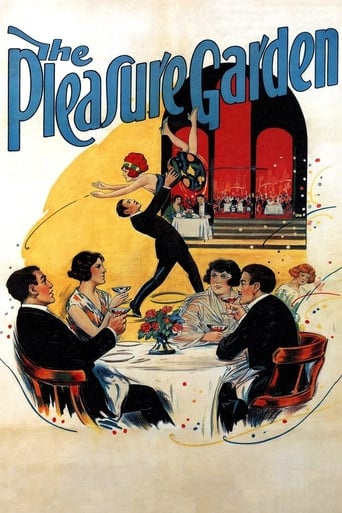
Hitchcock's first completed film as director (his actual first, The Mountain Eagle, is a lost film) follows two chorus girls at a London theater whose lives diverge as one marries well and the other struggles. The plot is conventional melodrama, and Hitchcock later called it an unremarkable assignment. But the film matters for what it reveals about his visual instincts even at this early stage. The opening sequence at the theater, with its tracking shots along the chorus line and its attention to the mechanics of performance, shows a director already thinking about how spaces create meaning. Shot partly on location in Italy, The Pleasure Garden is the work of a young man absorbing everything around him.
The Lodger: A Story of the London Fog
1927 · Alfred Hitchcock
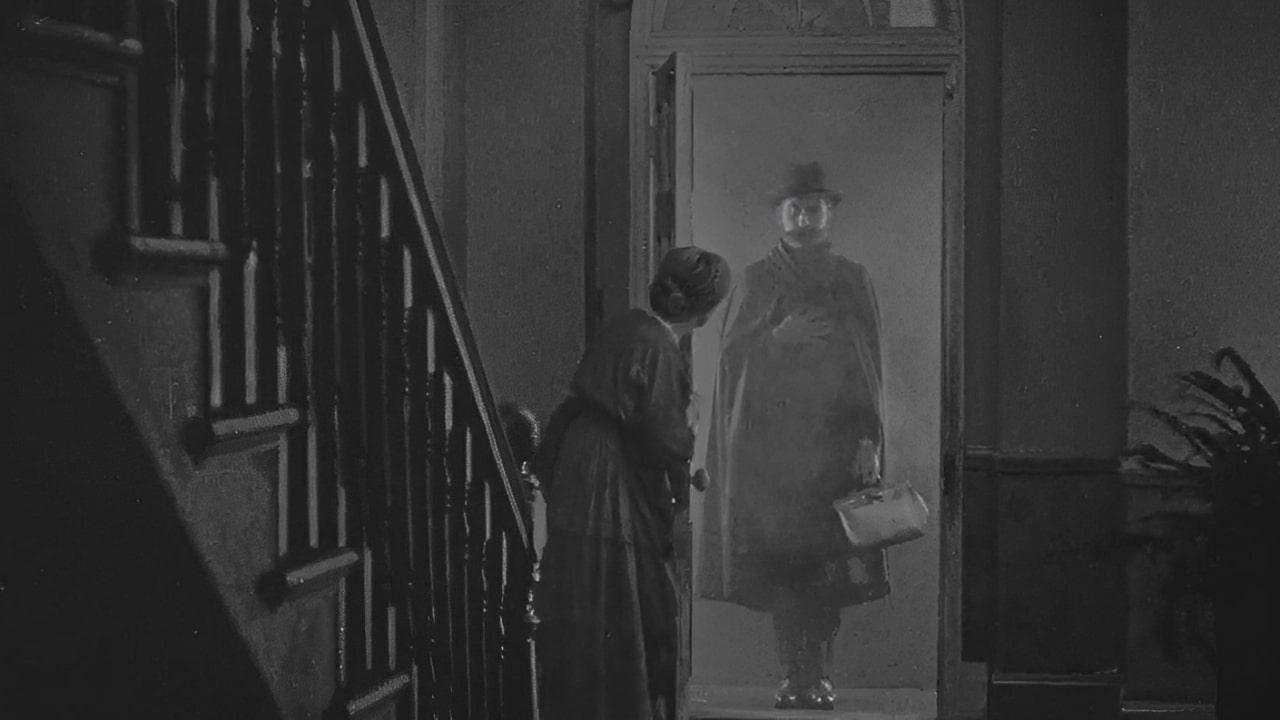
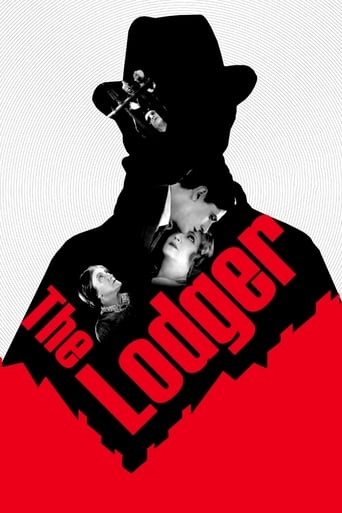
This is the film where Hitchcock becomes Hitchcock. A mysterious lodger takes a room in a London boarding house while a serial killer known as "The Avenger" stalks blonde women in the fog outside. The lodger behaves suspiciously. The landlady's daughter is blonde. Hitchcock builds the suspense through purely visual means: the famous shot of the lodger pacing overhead, filmed through a glass ceiling so we see his feet moving back and forth, is a textbook example of how to make an audience feel dread without showing them anything threatening. The film also introduces what would become Hitchcock's signature theme: the wrong man, suspected of crimes he may or may not have committed, trapped by circumstantial evidence and the assumptions of others.
Downhill
1927 · Alfred Hitchcock
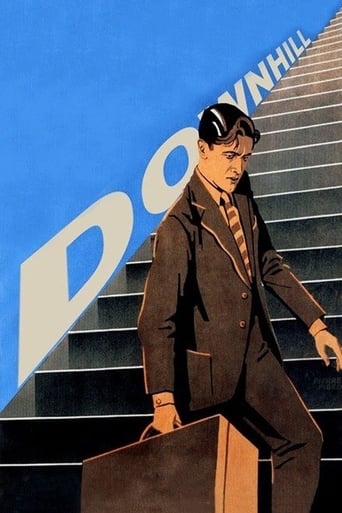
Ivor Novello plays a public school hero who takes the blame for a friend's indiscretion with a waitress and finds himself spiraling downward through increasingly degrading circumstances. Hitchcock structures the film as a literal descent: each stage of the protagonist's fall is represented by a movement downward, from the school to the streets to the sewers. The visual conceit is blunt but effective, and it shows Hitchcock experimenting with the idea that camera movement and spatial design can carry thematic weight independently of dialogue. The film is uneven, but its best sequences demonstrate a filmmaker thinking seriously about how to make abstract ideas visible.
The Ring
1927 · Alfred Hitchcock
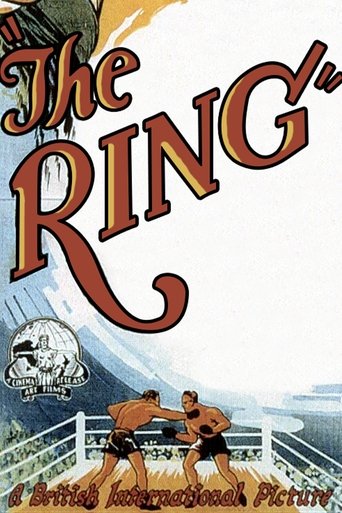
A fairground boxer works his way up to a championship bout while his wife is drawn to the champion who stands between him and the title. Hitchcock wrote the original screenplay himself, and The Ring is the film from this period that he seems to have cared about most. The boxing sequences are edited with a rhythmic precision that anticipates his later action set pieces, and the love triangle is handled with more psychological subtlety than the premise might suggest. The recurring image of the bracelet that passes between the three characters, marking shifts in desire and loyalty, shows Hitchcock's emerging talent for using objects to carry emotional meaning.
The Farmer's Wife
1928 · Alfred Hitchcock
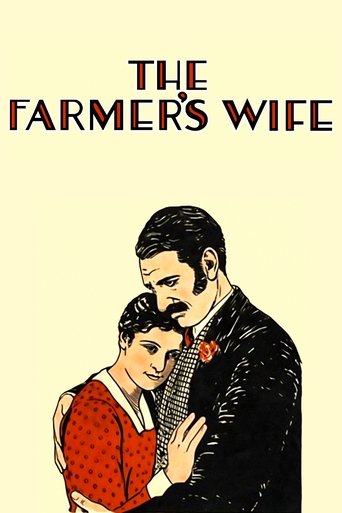
A widowed farmer decides he needs a new wife and proceeds to court, and be rejected by, a series of increasingly unsuitable candidates, failing to notice that his devoted housekeeper has been in love with him all along. This is pure comedy, far from the suspense territory Hitchcock would claim as his own, and he handles it with a light touch and genuine affection for its rural characters. The film is based on a popular stage play, and Hitchcock opens it up with location shooting that gives the English countryside a warmth unusual in his work. It is a minor film by any measure, but a charming one, and proof that Hitchcock's comic timing was already sharp.
Champagne
1928 · Alfred Hitchcock
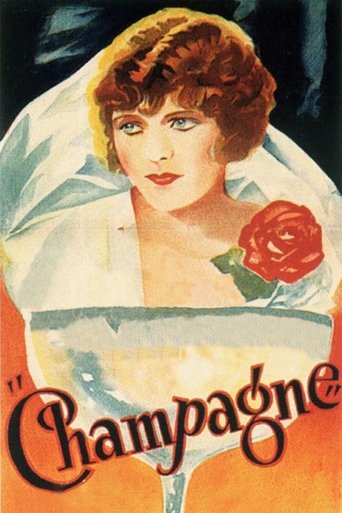
A spoiled heiress flies to France to be with her boyfriend, only to have her father cut her off financially to teach her a lesson about the real world. Hitchcock considered Champagne one of his weakest films, and he was not entirely wrong; the script is thin and the stakes are low. But the visual execution contains moments of genuine invention, particularly a recurring motif of framing the action through the bottom of a champagne glass, distorting the image into a fish-eye lens effect. Even in a project he found uninspiring, Hitchcock could not stop experimenting with what the camera could do. The film is worth watching as evidence of a restless visual intelligence working within mediocre material.
Blackmail
1929 · Alfred Hitchcock
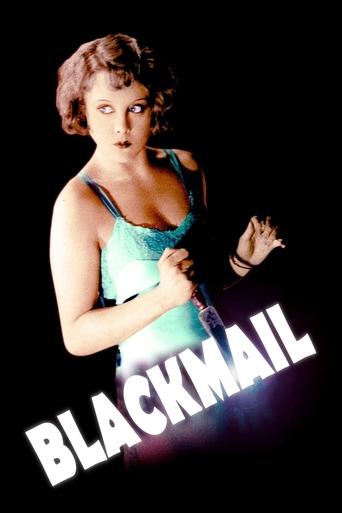
Hitchcock's first sound film, and Britain's first feature-length talkie, is also his first genuine masterpiece. A young woman kills a man who attempts to assault her, and the rest of the film follows her mounting guilt and her detective boyfriend's moral crisis when he discovers what she has done. Hitchcock famously shot the film in both silent and sound versions, and his use of the new technology is remarkably sophisticated for 1929. The breakfast scene, in which the word "knife" seems to leap out of the surrounding conversation and stab at the heroine's conscience, is a landmark in the creative use of sound. The chase through the British Museum is pure cinema. Everything Hitchcock had been building toward in the silent films crystallizes here.
Juno and the Paycock
1930 · Alfred Hitchcock
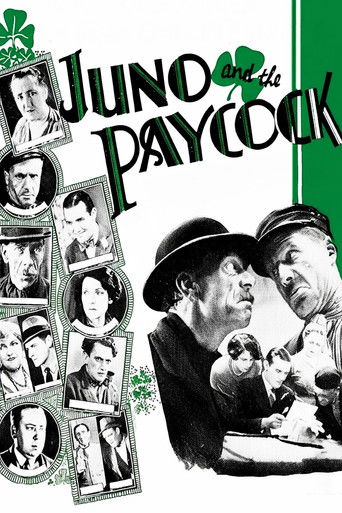
Hitchcock's adaptation of Sean O'Casey's tragicomedy about a Dublin family during the Irish Civil War is essentially a filmed play, and he knew it. He later expressed frustration with the project, feeling constrained by the reverence the producers had for O'Casey's text. But the performances are strong, particularly Sara Allgood as Juno, and Hitchcock finds ways to use the camera to comment on the action even when he cannot open up the staging. The film is valuable as a document of Hitchcock grappling with material that resisted his instinct to tell stories visually. Not every lesson a filmmaker learns is pleasant, but all of them are useful.
Murder!
1930 · Alfred Hitchcock
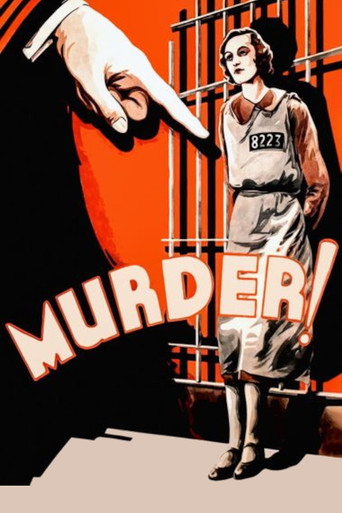
A jury convicts a young actress of murder, but one juror, a distinguished actor-manager played by Herbert Marshall, becomes convinced she is innocent and sets out to investigate the real killer. Murder! is the most formally inventive of Hitchcock's early sound films. It contains what is likely the first use of interior monologue (a character's thoughts heard on the soundtrack while we watch his face), and the circus climax, with its trapeze act filmed from dizzying angles, is a virtuoso set piece. The film also engages, somewhat obliquely, with questions of sexual identity and performance that give it a complexity beyond its whodunit surface. By 1930, Hitchcock had mastered both silent and sound filmmaking. The rest of the world would spend the next decade catching up.