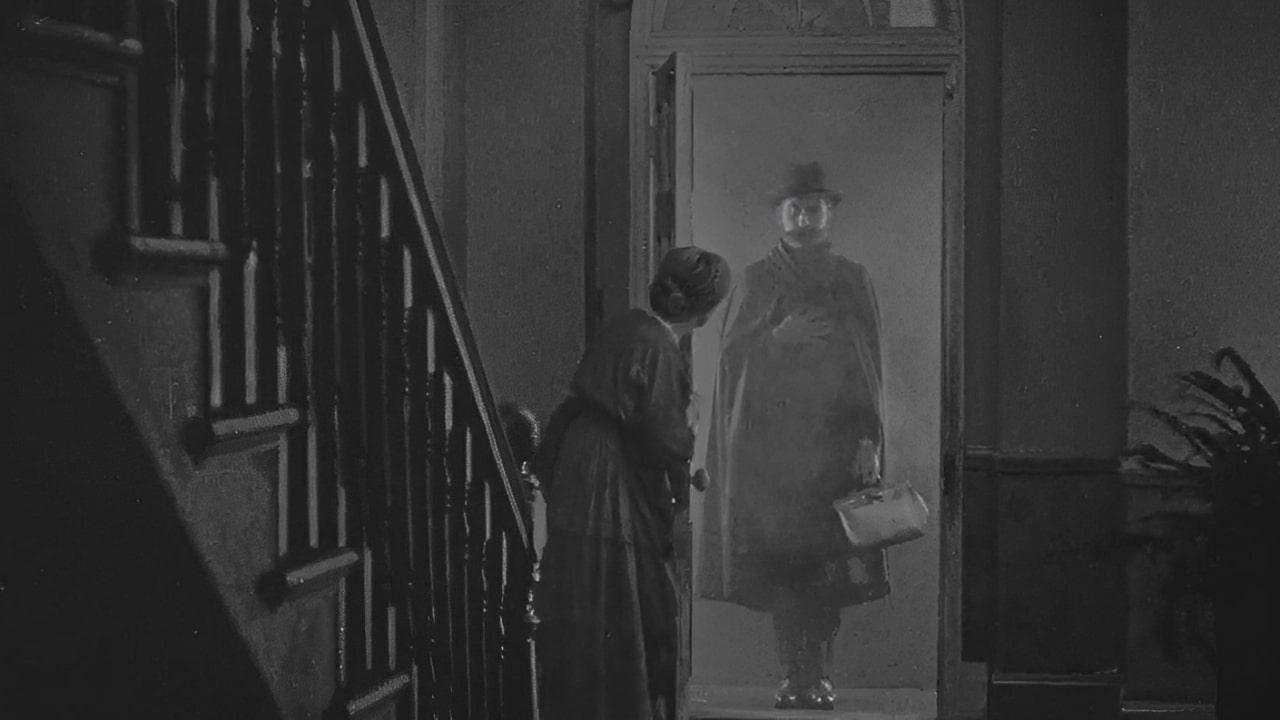
The Lodger: A Story of the London Fog
1927·91 min·GB
Director: Alfred Hitchcock
CrimeMysteryThriller
The first true Hitchcock thriller — the film he later called the beginning of his real career. London is terrorized by a serial killer who targets blonde women, and a mysterious, soft-spoken lodger (Ivor Novello) takes a room in a family's boarding house, arousing suspicion with his nocturnal habits and his unsettling interest in their golden-haired daughter. Hitchcock, deeply influenced by his time studying at UFA studios in Germany, fills the film with Expressionist touches: the famous shot of the lodger pacing above, seen through a glass ceiling; the eerie glow of a gaslight on the stairway; the mounting paranoia in tight domestic spaces. The theme that would obsess Hitchcock for decades — the wrong man accused, the audience manipulated into doubting the innocent — is already fully present. A masterpiece of atmosphere and suspense.
The first true Hitchcock thriller — the film he later called the beginning of his real career. London is terrorized by a serial killer who targets blonde women, and a mysterious, soft-spoken lodger (Ivor Novello) takes a room in a family's boarding house, arousing suspicion with his nocturnal habits and his unsettling interest in their golden-haired daughter. Hitchcock, deeply influenced by his time studying at UFA studios in Germany, fills the film with Expressionist touches: the famous shot of the lodger pacing above, seen through a glass ceiling; the eerie glow of a gaslight on the stairway; the mounting paranoia in tight domestic spaces. The theme that would obsess Hitchcock for decades — the wrong man accused, the audience manipulated into doubting the innocent — is already fully present. A masterpiece of atmosphere and suspense.
Watch
Explore Further
Where to Watch
Streaming data by JustWatch
Cast
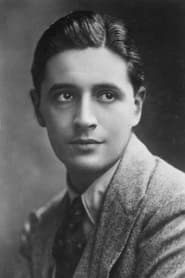
Ivor Novello
The Lodger Jonathan Drew
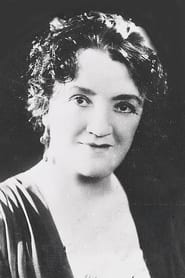
Marie Ault
Mrs. Bunting the Landlady
A
Arthur Chesney
Mr. Bunting
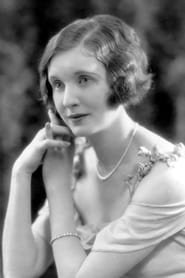
June Tripp
Daisy Bunting
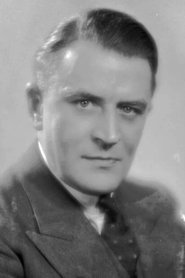
Malcolm Keen
Joe Chandler
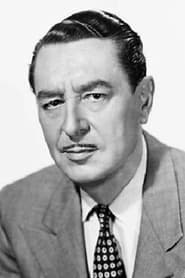
Reginald Gardiner
Dancer at Ball (uncredited)

Eve Gray
Showgirl Victim (uncredited)
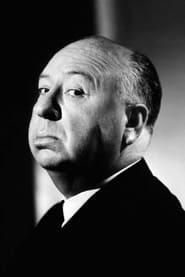
Alfred Hitchcock
Man in Newspaper Office (uncredited)
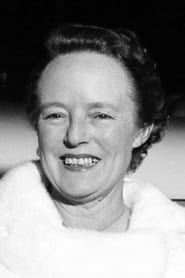
Alma Reville
Woman Listening to Wireless (uncredited)
Crew
Gaetano di Ventimiglia
cinematographer
Alfred Hitchcock
writer
Hal Young
cinematographer
Eliot Stannard
writer