The silent era spans roughly three decades — from the Lumière brothers' first public screening in 1895 to the arrival of synchronized sound in the late 1920s — and contains some of the most inventive, visually stunning, and emotionally powerful filmmaking ever produced. These twenty films offer an introduction to the period's essential works and movements: the trick films that first revealed cinema's capacity for magic, the rise of narrative storytelling, the explosive creativity of German Expressionism and Soviet montage, the golden age of screen comedy, and the artistic peaks that still define what the medium can achieve. If you're new to silent film, start anywhere — every one of these will change your understanding of what early cinema was.
20 films


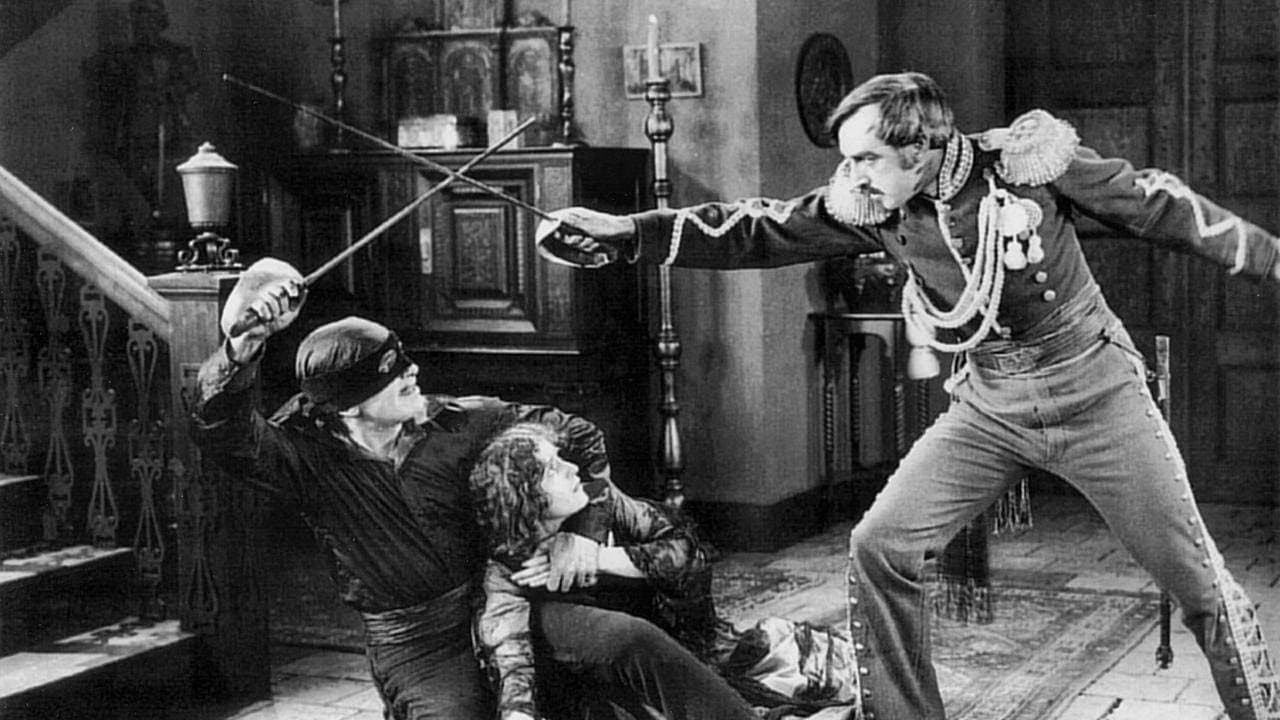
Japanese cinema developed along a path unlike any other national tradition. While the rest of the world embraced intertitles, Japan retained the benshi, live narrators who stood beside the screen and performed all the characters' voices, provided commentary, and shaped the audience's emotional response to the images. This practice, rooted in centuries of theatrical storytelling, meant that Japanese filmmakers thought about the relationship between image and voice differently from their Western counterparts, and it helps explain why the transition to sound happened later in Japan than almost anywhere else. The films in this collection span from 1921, when Minoru Murata made what is often cited as the first significant Japanese art film, to 1936, when Kenji Mizoguchi produced the work that announced him as one of cinema's great artists. Between those dates, Japanese filmmakers created a body of work that encompassed radical avant-garde experimentation, swashbuckling period adventure, and a tradition of quiet domestic observation that has no real equivalent in Western cinema. Yasujirō Ozu was already developing the understated family dramas that would eventually make him one of the most revered directors in film history. Teinosuke Kinugasa was pushing formal boundaries as aggressively as anything happening in Europe. And Sadao Yamanaka, killed in the war at twenty-eight, was reinventing the samurai genre with a humanist wit that anticipated decades of later filmmaking. What strikes a modern viewer about these films is how little they conform to Western assumptions about what early cinema looks like. The pacing, the compositions, the emotional register all reflect a distinct cultural sensibility. These are not imitations of European or American models; they are the products of a cinematic tradition that was, from the beginning, fully its own.
12 films

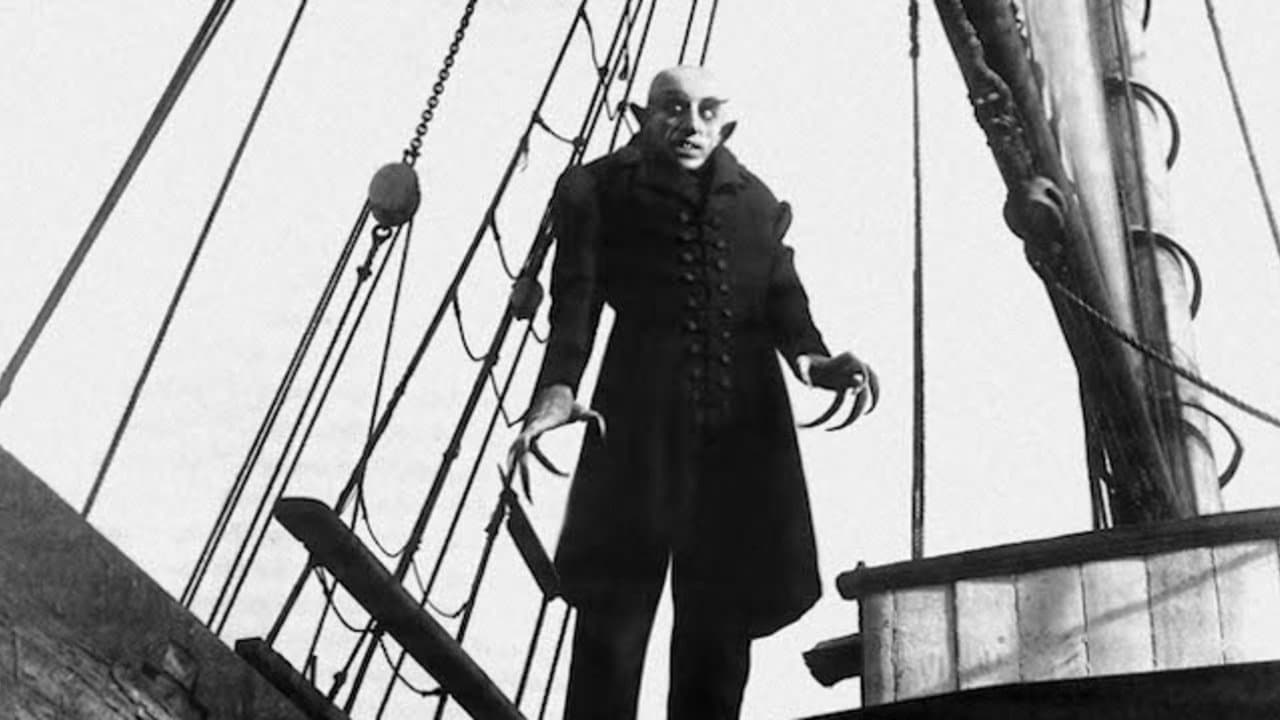
Cinema has been drawn to the supernatural since its very first frames. In 1896, Georges Méliès pointed a camera at a stage trick and conjured the Devil out of a puff of smoke. Within three decades, filmmakers across Europe and America had built an entire visual language for the uncanny: distorted shadows, double exposures, faces emerging from darkness, spaces that refused to obey the laws of physics. The films in this collection represent that language at its most powerful and inventive. What connects these works is not a single national tradition or artistic movement but a shared fascination with the boundary between the living and the dead, the natural and the impossible. German Expressionism gave us the angular nightmares of Caligari and the rat-like creeping of Nosferatu. Scandinavian cinema produced the spectral carriage rides of Sjöström and the pseudo-documentary witchcraft of Christensen. Hollywood contributed Lon Chaney's tortured transformations and the eerie tropical voodoo of White Zombie. And threading through all of it is the figure of the occultist, the alchemist, the sorcerer who seeks forbidden knowledge and pays the price. These films still unsettle because their techniques bypass rational comfort. Superimposition makes ghosts visible. Chiaroscuro lighting turns ordinary rooms into traps. Expressionist sets externalize inner terror. The supernatural was not just a genre for early cinema; it was an argument for what the medium could do that no other art form could match.
20 films


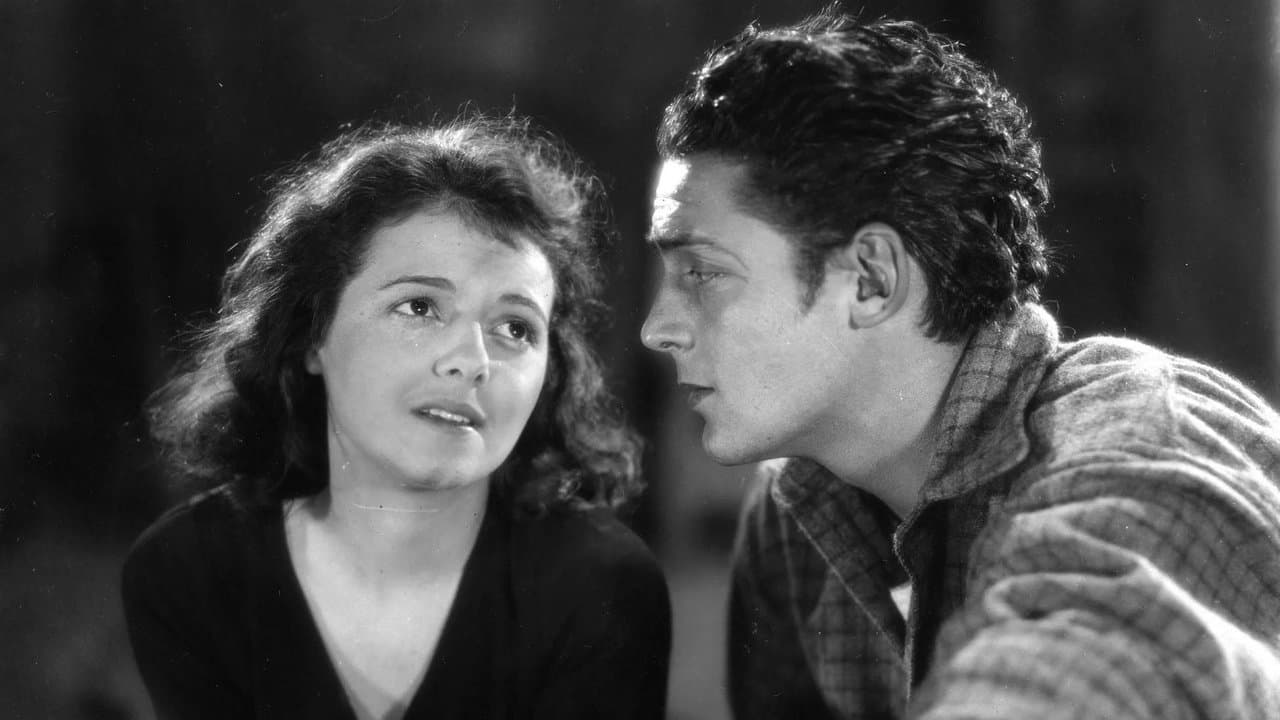
Anna May Wong was Hollywood's first Chinese American film star and one of the most consequential, and most wronged, figures in the history of cinema. Born Wong Liu Tsong in Los Angeles in 1905, she broke into films as a teenager and quickly demonstrated a screen presence that critics consistently singled out even when the films around her were mediocre. Her career is a study in paradox: she was internationally celebrated as a fashion icon and a major star in Europe, while American studios kept her trapped in stereotypical Dragon Lady and exotic villain roles, systematically denied her the leading parts she deserved. Anti-miscegenation laws literally prevented her from kissing a white co-star on screen, which effectively barred her from most romantic leads. She responded with remarkable resourcefulness, founding her own production company, traveling to Europe where she was treated as the star she was, mastering French and German to act in multiple language versions of films, and performing Shakespeare on stage opposite Laurence Olivier. She died in 1961 at fifty-six, just before the tide of history might finally have turned in her favor, but her legacy as a pathbreaker for Asian American representation in Hollywood is now rightly celebrated. The films collected here trace her career from a teenage extra to an international star, and they document both the brilliance of her talent and the constraints that prevented it from being fully realized.
13 films


From: Japanese Early Cinema
1925 · Directed by Buntarō Futagawa
Buntaro Futagawa's atmospheric jidaigeki (period drama) about a masterless samurai brought low by circumstance and misunderstanding — a recurring theme in Japanese cinema that here receives one of its earliest and most compelling silent-era treatments. The film follows a once-proud warrior who falls into poverty and disgrace, navigating a world of rigid social hierarchies and casual cruelty with stoic dignity. The film's visual style draws on both traditional Japanese art and the compositional techniques of European cinema, creating a hybrid that feels distinctly modern. A valuable early example of the samurai film genre that would later produce masterpieces from Kurosawa, Kobayashi, and Gosha — and a window into the rich, complex world of 1920s Japanese cinema that remains too little known in the West.