Silent 101
Twenty films, 1902 to 1929, laid out as a map rather than a trophy case. Méliès puts a rocket in the moon's eye. Porter cuts a robbery against a posse. Then the decade's methods arrive: Griffith's close-ups, German sets that look like a mind, Soviet cuts that argue, comedians who treat physics as a problem. Watch what each title thinks a camera is for. A sleepwalker. A clock face. A carriage that collects the dead. Within Our Gates sits next to Griffith; that is not an accident. Sunrise and Joan of Arc are near the end because the form had the most tools and the least speech. Vertov closes it by refusing a story altogether.
20 films
A Trip to the Moon
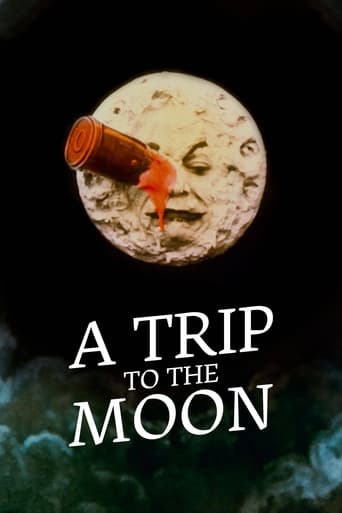
1902 · Georges Méliès
The camera is a magic cabinet. Méliès fires a shell into the Moon's eye and lands a troupe of professors in a place that exists only because he painted it. Watch a selenite go up in smoke when struck with an umbrella. That substitution splice is the whole method.
The Great Train Robbery
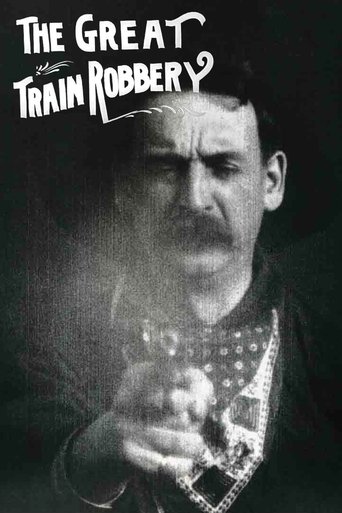
1903 · Edwin Stanton Porter
The camera is a witness that can be in two places. Porter cuts from the bandits to the telegraph office and back, and the story lives in the gap. Barnes firing at the audience was sold as an option: open with it or close with it, the operator's choice.
Broken Blossoms
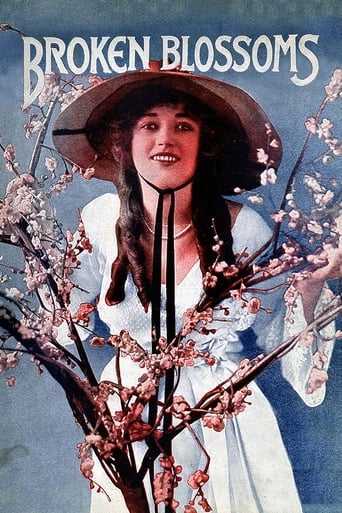
1919 · D. W. Griffith
The camera moves in close and stays there. After the scale of Birth of a Nation, Griffith makes a film that fits in three rooms and a fog, and puts Gish in a closet with the door coming down. It is here for what she does with her hands and her face in that closet, and for the argument it starts about who Griffith was.
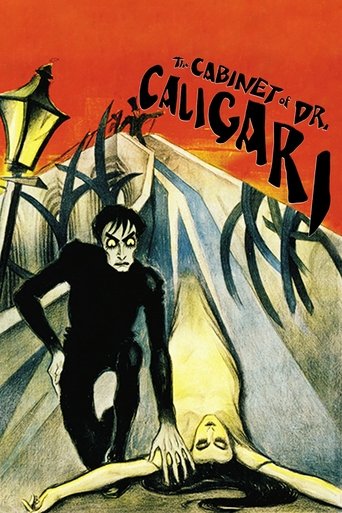
The Cabinet of Dr. Caligari
1920 · Robert Wiene
The camera is inside a mind. The sets are painted crooked, the shadows are painted on, and the frame story asks whose mind it is. Every later film that used a set to say what a character feels starts here.
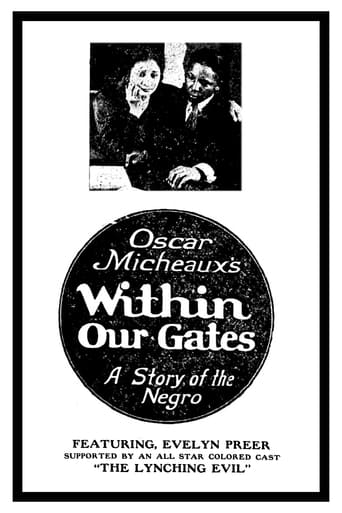
Within Our Gates
1920 · Oscar Micheaux
The camera is evidence. Micheaux answers Birth of a Nation with a lynching filmed as something that happened, not something that was feared. It sits next to Griffith on purpose. Watch the flashback: the lynching cut against an assault, Griffith's rescue rhythm with the rescue taken out.
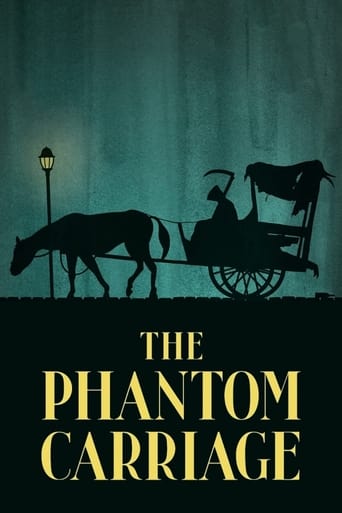
The Phantom Carriage
1921 · Victor Sjöström
The camera is a ghost. Exposures laid on top of one another let the coachman walk through a wall and the dead stand behind the living. Sjöström plays the drunk himself and does not ask you to like him. The clock striking midnight in the graveyard is the moment.
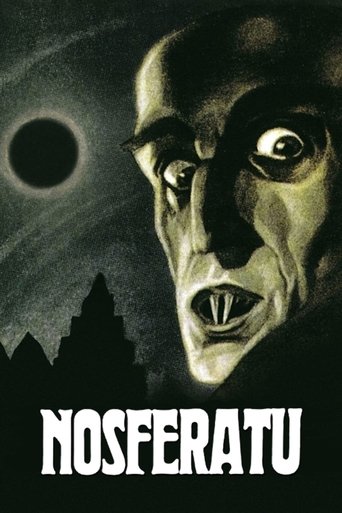
Nosferatu
1922 · F. W. Murnau
The camera is a carrier. Murnau shoots real hills, real water, a real ship, and lets Orlok infect them. The shadow on the stairs is the shot everyone remembers. The rats coming off the ship are the one that matters.
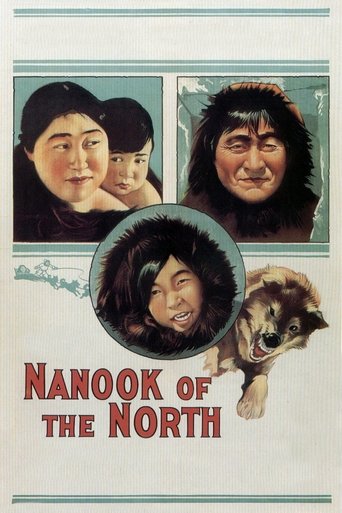
Nanook of the North
1922 · Robert Flaherty
The camera is a guest. Flaherty spends a year with a family on Hudson Bay, restages the walrus hunt, and cuts an igloo in half for light. The seal pulled out of the ice is the scene: real cold, real work, and a hunter who knows exactly where the lens is.
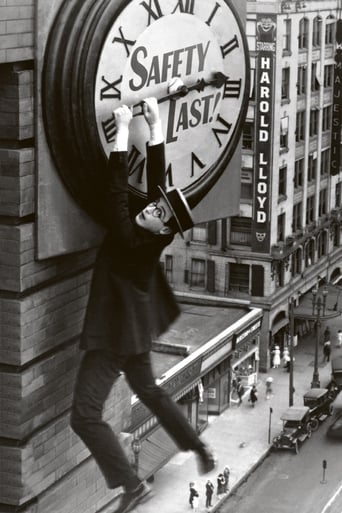
Safety Last!
1923 · Fred C. Newmeyer, Sam Taylor
The camera is a witness standing on the next roof. The clock face was a set on a downtown building, with the street kept in frame by a tower shooting down, and it works because Lloyd is not a daredevil. He is a clerk. Every floor adds a problem.
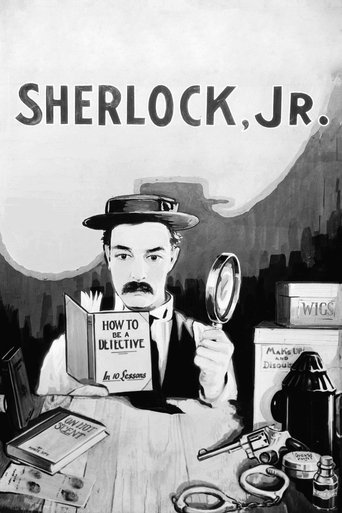
Sherlock Jr.
1924 · Buster Keaton
The camera is a door. Keaton walks into the screen and the film cuts the ground out from under him: garden, street, cliff, lions. He stays in continuous motion while the world jumps. Then he wakes up and takes his cues from the movie on how to kiss a girl.
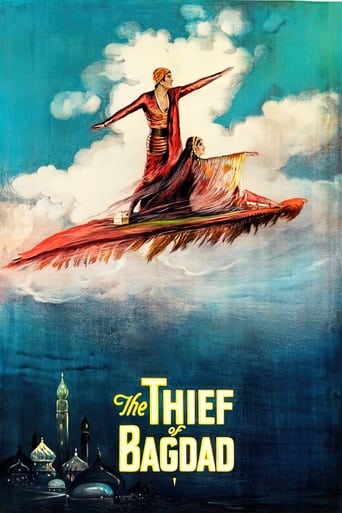
The Thief of Bagdad
1924 · Raoul Walsh
The camera is a stage for a body. Fairbanks vaults walls he could have walked around because the film is about what a man can do inside the frame. Menzies built a plaster city big enough to hold him. The flying carpet is wires and double exposure, and you will not care.
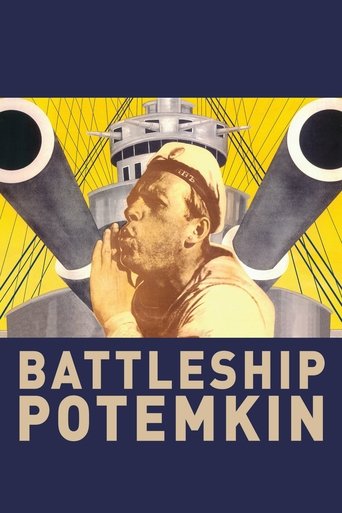
Battleship Potemkin
1925 · Sergei Eisenstein
The camera is an argument. The Odessa steps do not exist as one continuous action; Eisenstein builds them from boots, a pram, and a face with a pince-nez, and the violence happens in the cut. Then the squadron lets the ship pass, and that is the point.

The Gold Rush
1925 · Charlie Chaplin
The camera is a dinner table. The boiled boot and the roll dance are mechanical problems solved with licorice and forks, and both are about a man performing for someone who is not there. The cabin tipping on the cliff is the other Chaplin: a set on rockers and real vertigo.
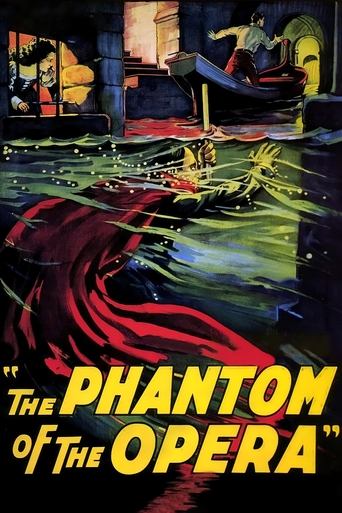
The Phantom of the Opera
1925 · Rupert Julian
The camera is what the mask is for. Chaney designed his own face, then holds still while Christine pulls the mask off, and the shot is framed so you get it before she does. The Bal Masqué is two-color Technicolor in a black-and-white house: the Red Death coming down the stairs at a party that thinks he is in costume.
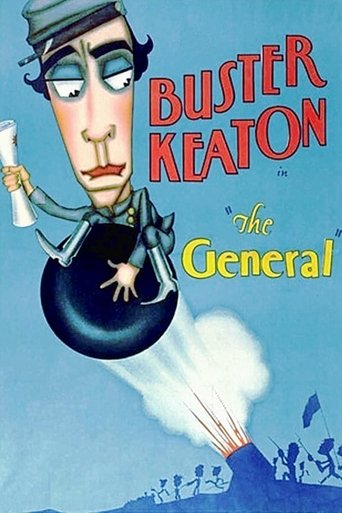
The General
1926 · Buster Keaton, Clyde Bruckman
The camera is a train. Keaton stages the chase on real track with real engines and keeps the frame wide enough that you can check his work. The bridge collapse was one take because there was one train. Keep watching the edges of the frame. The joke usually arrives from there.
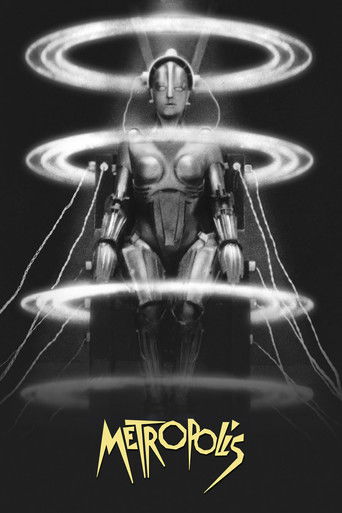
Metropolis
1927 · Fritz Lang
The camera is a scale. Schüfftan's mirrors put actors inside miniatures, and the city reads as built, not painted. Watch the workers descend for the shift change, in step, heads down. That is the film's argument before anyone makes a speech.
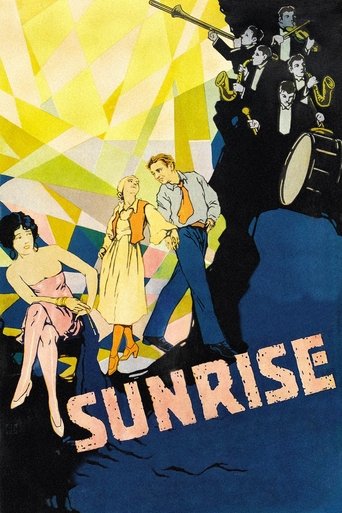
Sunrise: A Song of Two Humans
1927 · F. W. Murnau
The camera is a boat. Murnau moves it through the marsh, onto a tram, and across a room with a force that makes cuts look lazy. The city was built in forced perspective. The tram ride is the moment: two people not speaking while the country turns into a city around them.
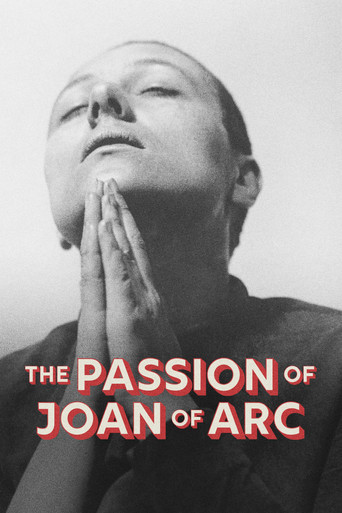
The Passion of Joan of Arc
1928 · Carl Theodor Dreyer
The camera is a face. Dreyer shoots the trial from the Rouen minutes, no makeup, in close-ups that leave nothing to hide behind, and Falconetti holds. The judges crowd in from odd angles. It is a silent film about speech: everything depends on what she will say and what she takes back.
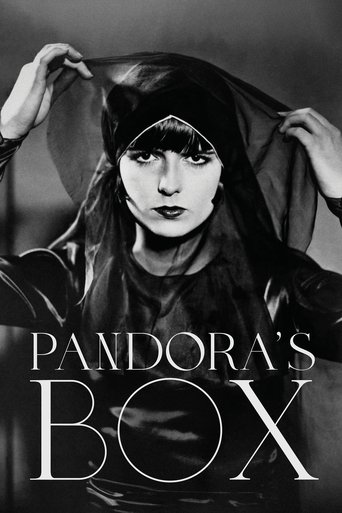
Pandora's Box
1929 · G.W. Pabst
The camera is a person who has already decided. Brooks does not perform Lulu's vice or her innocence; she looks at people, and the film follows what her looking does to them. Watch her at the wedding. Watch the last night in London. Pabst never tells you what to think and never needs to.
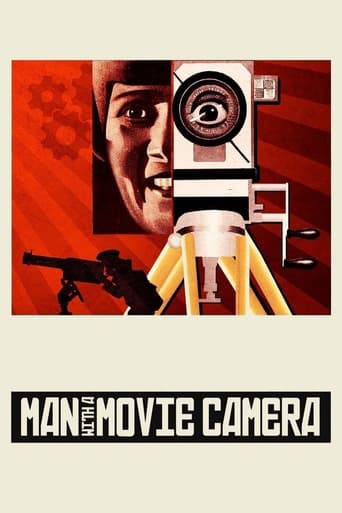
Man with a Movie Camera
1929 · Dziga Vertov
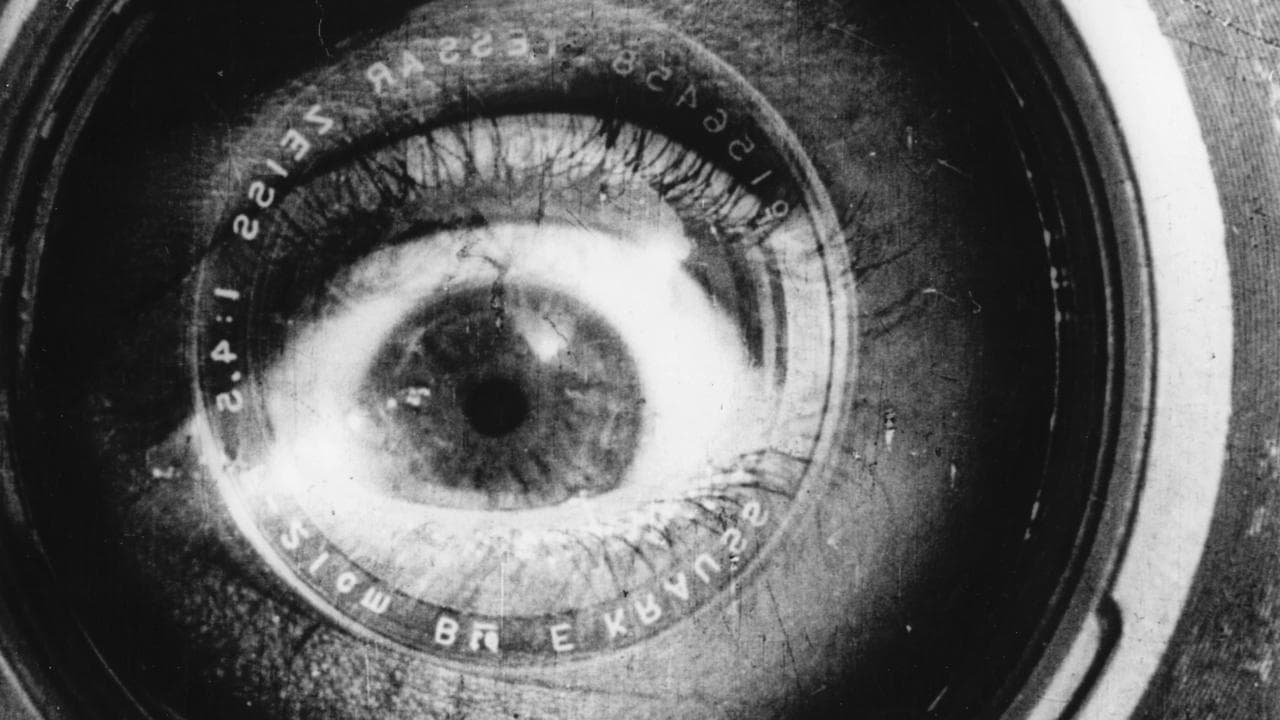
The camera is the subject. No story, no actors, no titles after the first card, and Kaufman carrying the machine into traffic, onto a chimney, under a train. Svilova at the cutting bench is the best joke in it: you watch the film get made while it is being shown. It closes the collection because it refuses the thing the others spent thirty years building.