Loading

Silent 101Film 4 of 20
The Cabinet of Dr. Caligari
Das Cabinet des Dr. Caligari
Robert Wiene's 1920 Decla film is the one people mean when they say German Expressionism.
Silent
Your rating
Overview
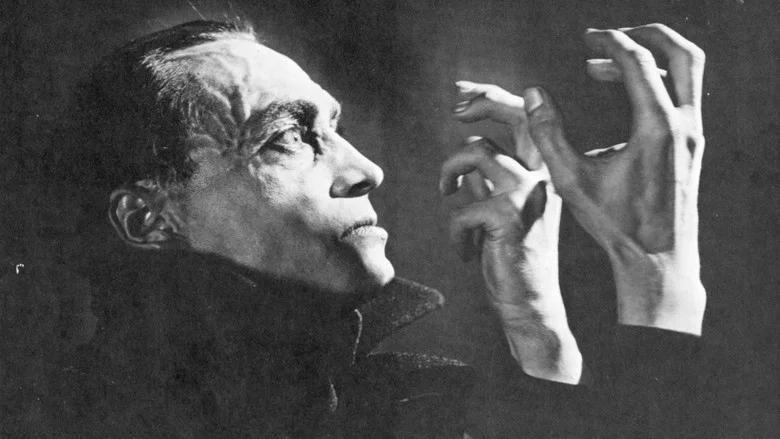
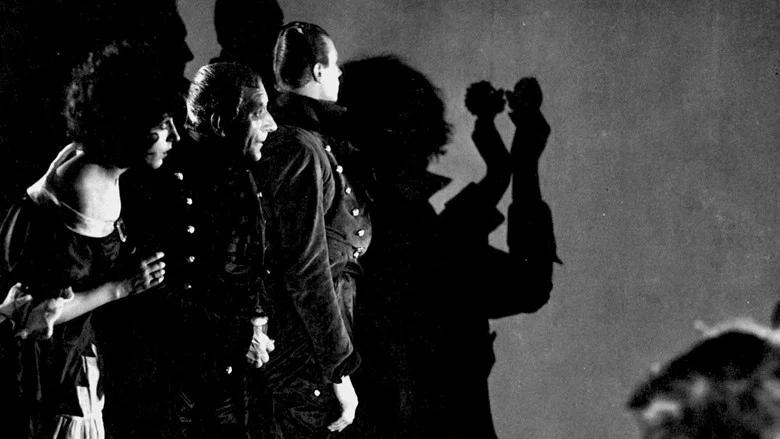
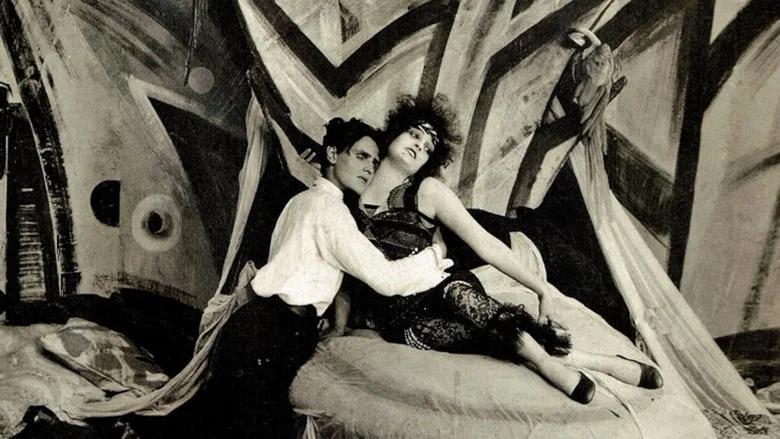
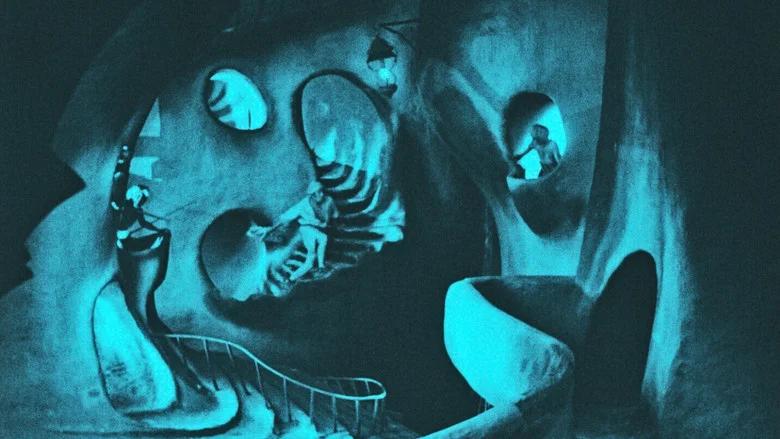
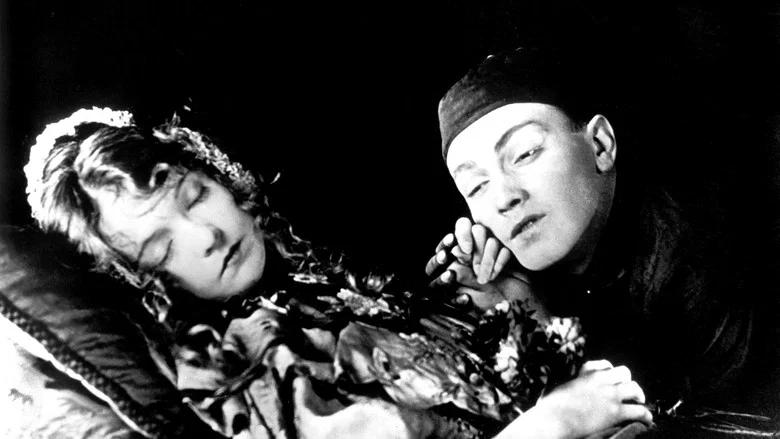
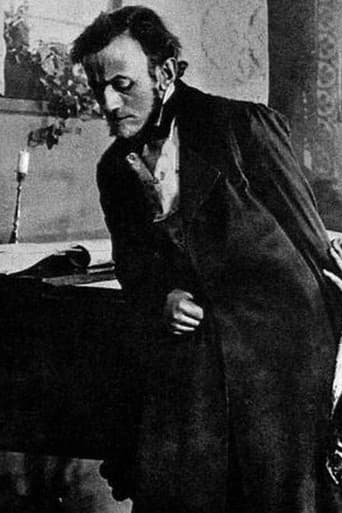
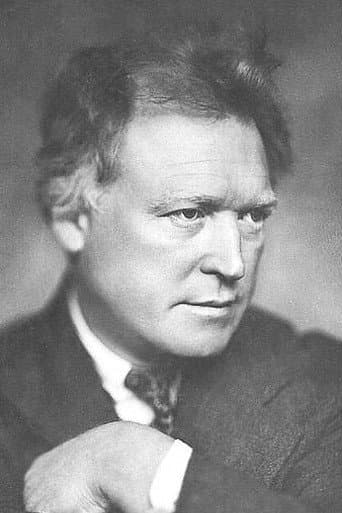
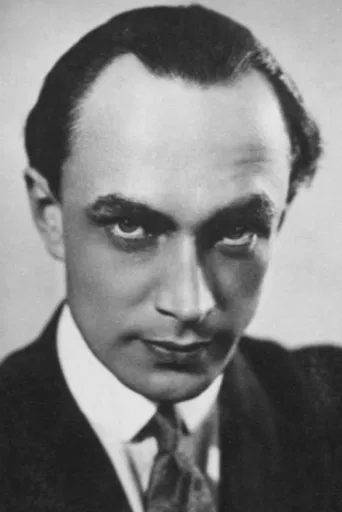
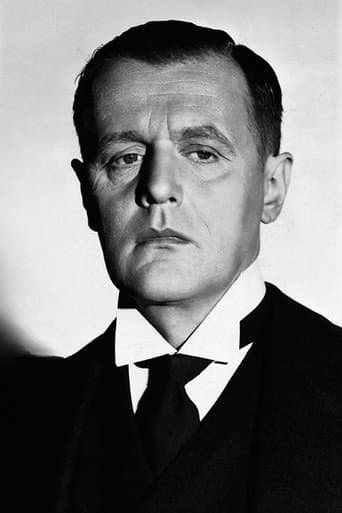
Robert Wiene's 1920 Decla film is the one people mean when they say German Expressionism. A carnival doctor exhibits Cesare, a somnambulist who can tell you the hour of your death. Conrad Veidt plays the sleepwalker. Werner Krauss is Caligari. Hermann Warm, Walter Reimann, and Walter Röhrig painted the town: crooked streets, shadows inked on the floor, rooms that refuse a right angle. Carl Mayer and Hans Janowitz wrote the script. There is a frame story. What you do with it is the argument the film has been having since the premiere.
Cast and crew






In three collections
Silent 101
The camera is inside a mind. The sets are painted crooked, the shadows are painted on, and the frame story asks whose mind it is. Every later film that used a set to say what a character feels starts here.
German Expressionism
Start here because the argument starts here: a town painted crooked, and a frame story that asks whether the crookedness belongs to the world or to the man telling you about it. Everything else in this collection is a reply.
The Supernatural and the Occult
The sets are a mind. Painted shadows, streets that lean, a sleepwalker who tells you the hour of your death. Nothing in the frame is supernatural except the frame. The uncanny here is a set designer's decision, and it never needed a ghost.

Further reading
Also streaming
Loading films