The Hands of Orlac
Orlacs Hände
1924·98 min·AT
Director: Robert Wiene
ThrillerMysteryHorror
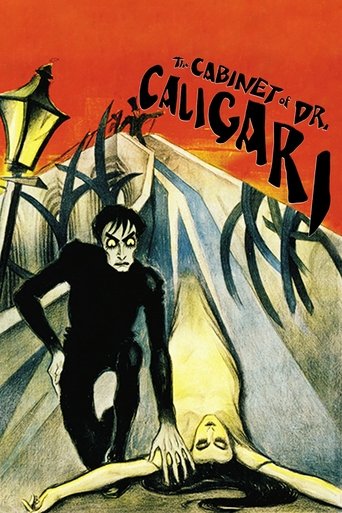
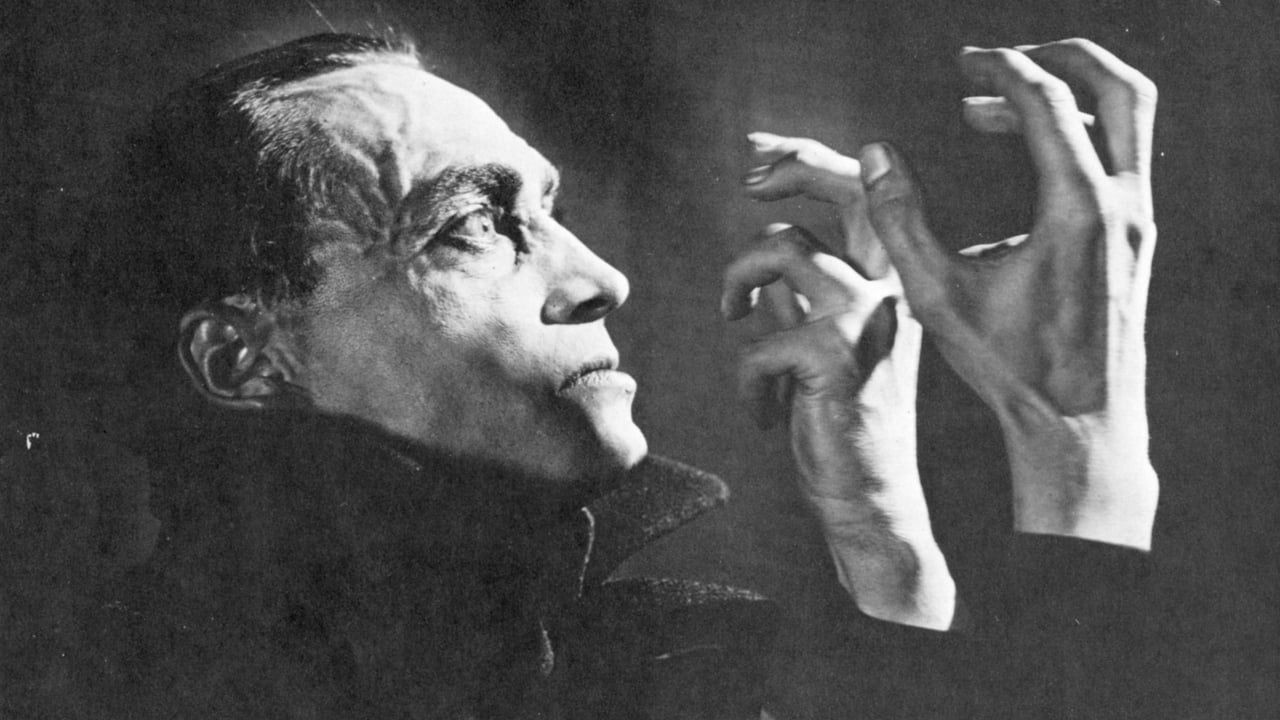
A world-famous concert pianist loses both hands in a railway accident. When surgeons graft new hands onto his wrists, he discovers with mounting horror that they belonged to an executed murderer — and they seem to have a will of their own. Robert Wiene, director of The Cabinet of Dr. Caligari, here trades painted sets for psychological torment, crafting a slow-burn study of identity, bodily autonomy, and obsessive guilt that feels startlingly modern. Conrad Veidt — those haunted, enormous eyes — gives one of his finest performances as the increasingly unraveled Orlac, a man who no longer trusts his own body. The film's anxieties about surgical violation and loss of self would ripple through horror cinema for a century, from Mad Love to Body Parts and beyond.
A world-famous concert pianist loses both hands in a railway accident. When surgeons graft new hands onto his wrists, he discovers with mounting horror that they belonged to an executed murderer — and they seem to have a will of their own. Robert Wiene, director of The Cabinet of Dr. Caligari, here trades painted sets for psychological torment, crafting a slow-burn study of identity, bodily autonomy, and obsessive guilt that feels startlingly modern. Conrad Veidt — those haunted, enormous eyes — gives one of his finest performances as the increasingly unraveled Orlac, a man who no longer trusts his own body. The film's anxieties about surgical violation and loss of self would ripple through horror cinema for a century, from Mad Love to Body Parts and beyond.
Watch
Where to Watch
Streaming data by JustWatch