The Great Train Robbery
1903·12 min·US
Director: Edwin S. Porter
CrimeWesternActionAdventure
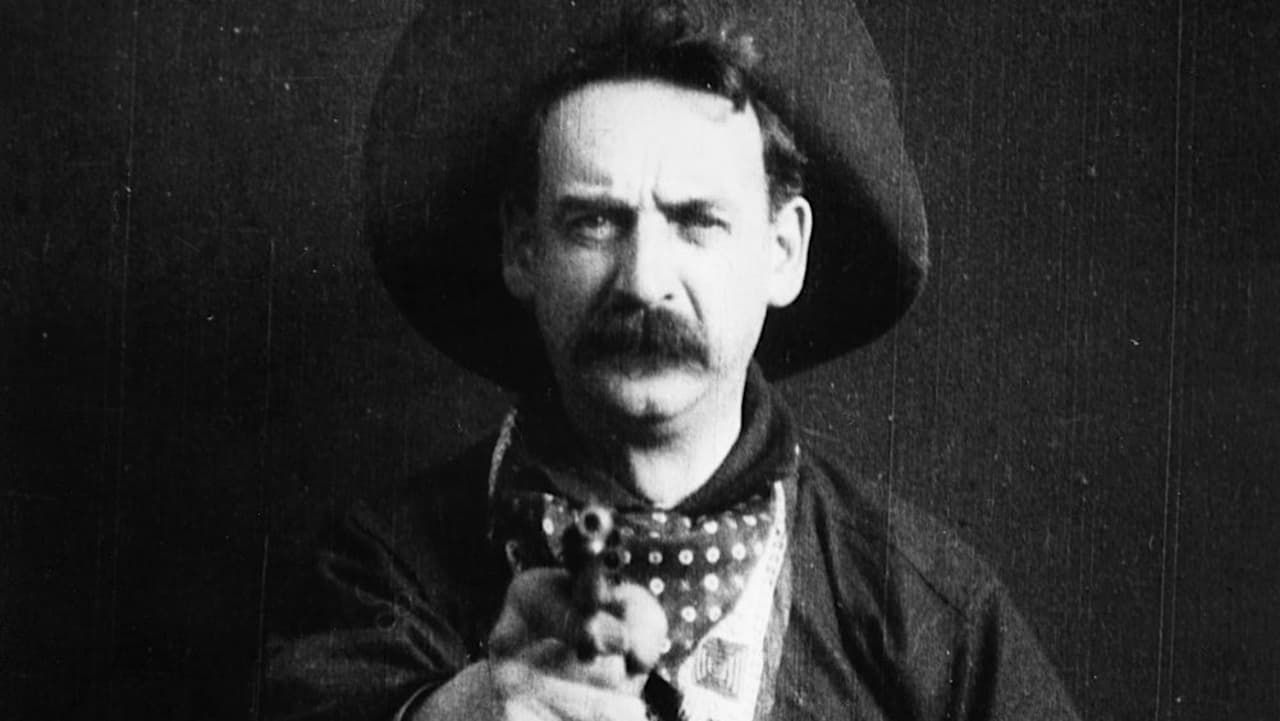
Twelve minutes that rewrote the rules. Edwin S. Porter took the camera out of the studio and into the real world — onto moving trains, across open landscapes, into actual gunfights — and created the template for every action film that followed. Bandits hold up a telegraph operator, rob a train, and flee into the woods; a posse gives chase. The storytelling is breathlessly efficient, cutting between parallel actions in a way no one had attempted before. And that final shot — a bandit firing point-blank at the audience — reportedly sent early viewers diving out of their seats. This is where narrative cinema found its pulse.
Twelve minutes that rewrote the rules. Edwin S. Porter took the camera out of the studio and into the real world — onto moving trains, across open landscapes, into actual gunfights — and created the template for every action film that followed. Bandits hold up a telegraph operator, rob a train, and flee into the woods; a posse gives chase. The storytelling is breathlessly efficient, cutting between parallel actions in a way no one had attempted before. And that final shot — a bandit firing point-blank at the audience — reportedly sent early viewers diving out of their seats. This is where narrative cinema found its pulse.
Watch
Explore Further
Movies Silently Review ★★★
The Great Train Robbery | Filmsite.org — Filmsite
Comprehensive analysis of the film's narrative structure, editing innovations, and commercial impact.
The Great Train Robbery – The Unwritten Record — Library of Congress
Library of Congress essay on the film's historical significance and its pioneering narrative techniques.
Where to Watch
Streaming data by JustWatch
Cast
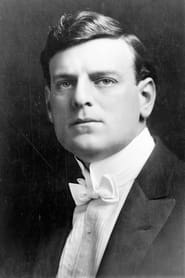
Gilbert M. Anderson
Bandit / Shot Passenger / Tenderfoot Dancer (uncredited)
J
John Manus Dougherty Sr.
Bandit (uncredited)
F
Frank Hanaway
Bandit (uncredited)
A
Adam Charles Hayman
Bandit (uncredited)
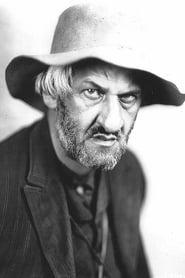
Robert Milasch
Trainman / Bandit (uncredited)
M
Marie Murray
Dance-Hall Dancer (uncredited)
M
Mary Snow
Little Girl (uncredited)
A
A.C. Abadie
Sheriff (uncredited)
W
Walter Cameron
Sheriff (uncredited)
D
Donald Gallaher
Little Boy (uncredited)
S
Shadrack E. Graham
Child (uncredited)
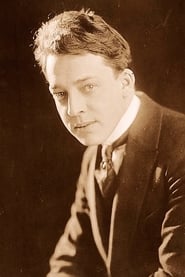
George Barnes
(uncredited)
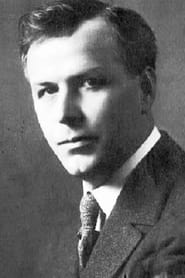
Morgan Jones
(uncredited)
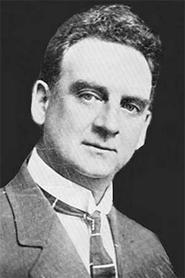
Justus D. Barnes
Bandit Who Fires at Camera (uncredited)