First Steps
These are the years when nobody had agreed what a movie was for. The Lumières charged admission at the Grand Café in December 1895 and pointed the camera at a factory gate. Méliès, who had been a magician, used the same machine for substitutions. Alice Guy was already staging little fictions at Gaumont. Watch the jobs multiply. A hose gag. A train that fills the frame. Porter cutting a robbery against a posse. Blackton and Cohl drawing movement a frame at a time. Manoir du diable is counted as the first horror film; treat the "firsts" as citations. The real event is that in fifteen years the camera stopped merely recording and started constructing.
17 films
Workers Leaving the Lumière Factory
1895 · Louis Lumière
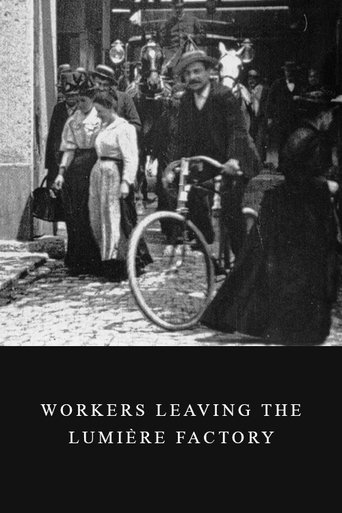
The first job: record. One locked shot, the gates open, and people walk toward the camera and then past it. Watch the ones who look at the lens and the ones who refuse to. The next hundred years are about which of them wins.

Le manoir du diable
1896 · Georges Méliès
The job: conjure. A bat becomes Mephistopheles by substitution splice, the cut Méliès used for everything. Three minutes, a cauldron, a crucifix. The scares are jokes. The trick is not.
The Arrival of a Train at La Ciotat
1896 · Auguste Lumière, Louis Lumière
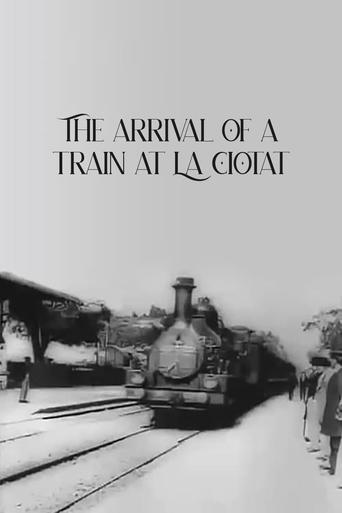
The job: fill the frame. The train comes in on the diagonal and grows until it is bigger than the screen, and that is the whole event. The panicked audience is a story told later. The diagonal is real.

The Sprinkler Sprinkled
1896 · Louis Lumière
The job: set up a gag. One set, one hose, four beats. A boy steps on it, the gardener looks in, the jet hits him, he catches the boy. Fiction begins with a punchline.
The Cabbage-Patch Fairy
1896 · Alice Guy-Blaché
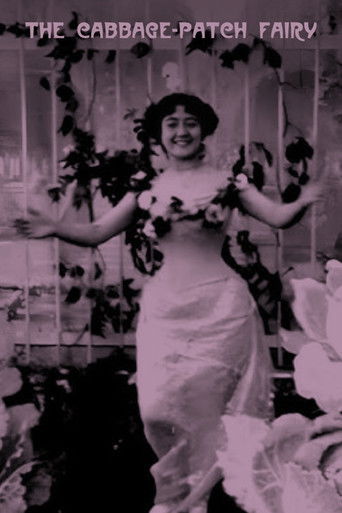
The job: stage a story. Guy lifts babies out of painted cabbages and sends a doll back as not ready. A minute long and already a director's film: a set, a performer, a joke with a rule inside it.
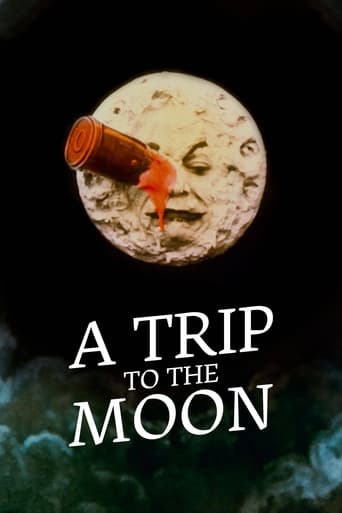
A Trip to the Moon
1902 · Georges Méliès
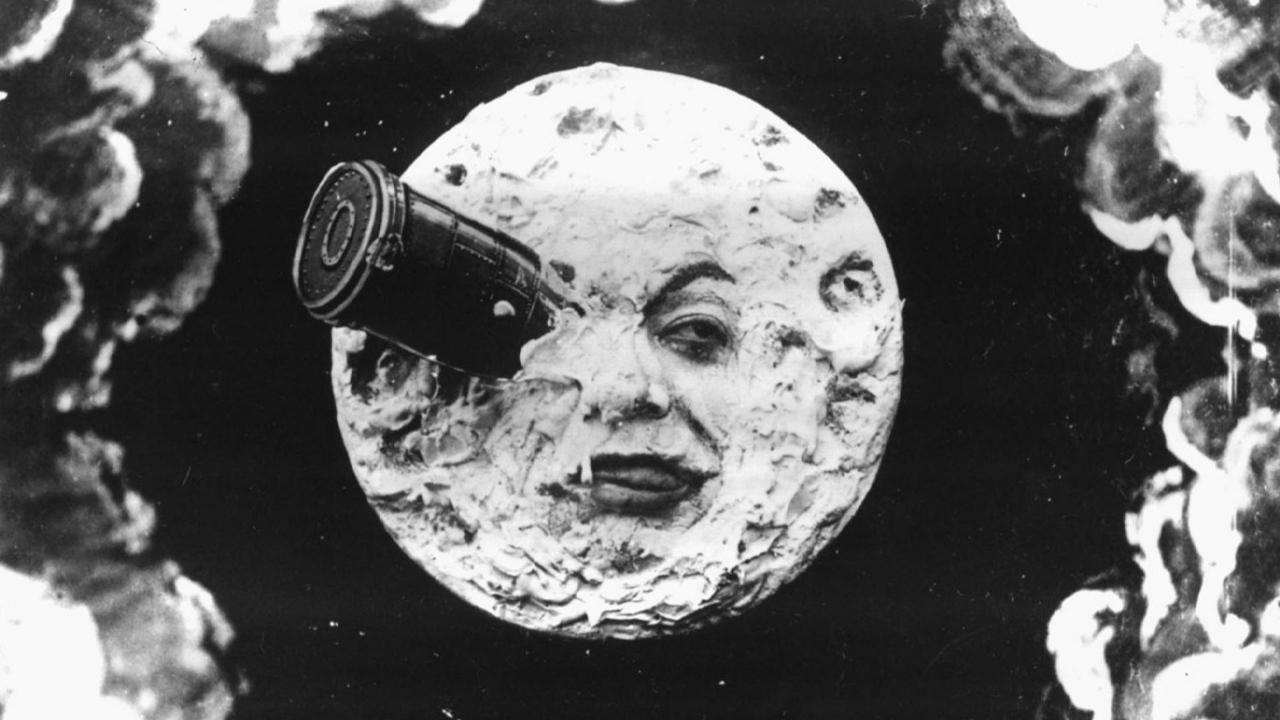
The job: build a world. Thirty tableaux, a shell in the Moon's eye, selenites who go up in smoke when hit. Méliès had been a magician and treated the camera as the biggest cabinet he owned. See the hand-colored print if you can.
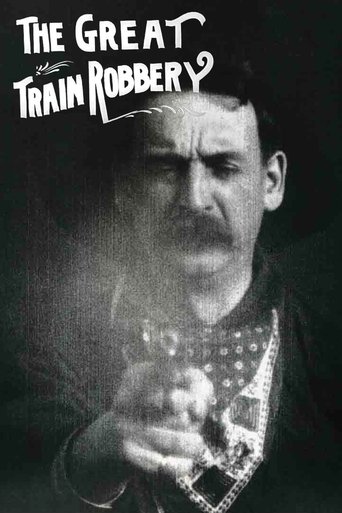
The Great Train Robbery
1903 · Edwin Stanton Porter
The job: cut. Porter leaves the bandits, goes to the telegraph office, and comes back, and the audience carries the story across the gap. Barnes firing at the lens could open or close the reel. Either way, it is the first time the film knows you are there.
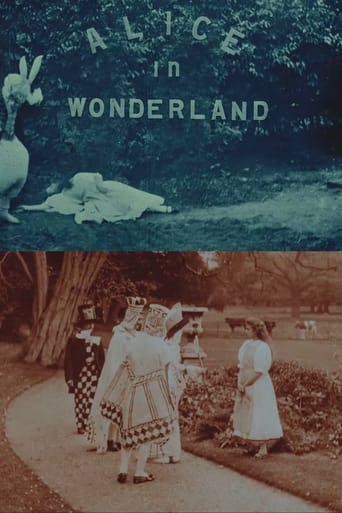
Alice in Wonderland
1903 · Cecil M. Hepworth, Percy Stow
The job: adapt. Hepworth's Alice grows and shrinks by optical printing, a studio cutter plays her, and the family plays the rest. Eight minutes survive of twelve. Cinema starts borrowing books here and never stops.
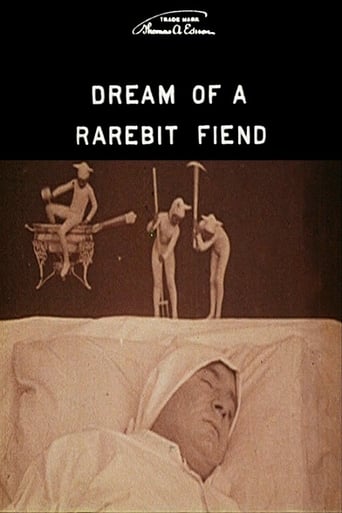
Dream of a Rarebit Fiend
1906 · Edwin Stanton Porter, Wallace McCutcheon Sr.
The job: show a dream. Porter puts the bed in the air over the city with double exposure and miniatures, nine days and $350. Subjective experience on screen before anyone had a word for it.
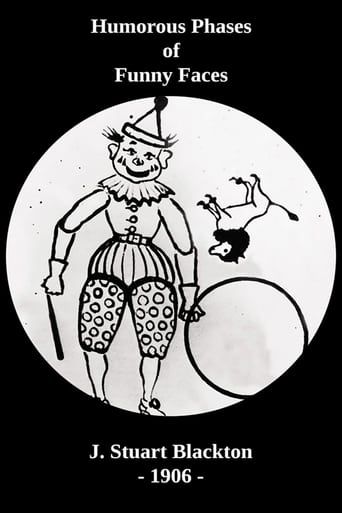
Humorous Phases of Funny Faces
1906 · J. Stuart Blackton
The job: draw. Blackton's hand chalks two faces and they move on their own. Cutouts and stop motion do most of the work, with a short stretch of true frame-by-frame drawing. Animation begins as a magic act with a blackboard.
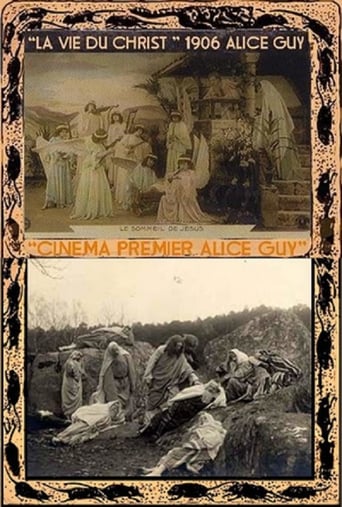
The Life of Christ
1906 · Alice Guy-Blaché
The job: scale up. Twenty-five tableaux, twenty-five sets, three hundred extras, Tissot's paintings as the model. Guy ran a production the size of anything Pathé was making, and Jasset got the credit for decades. Watch the crowd scenes. This is what a studio could do in 1906.
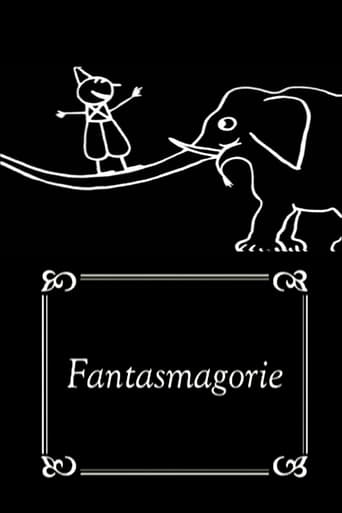
Fantasmagorie
1908 · Émile Cohl
The job: draw everything. Seven hundred ink drawings printed in negative so the line looks like chalk. A stick figure gets sat on, boxed, and remade, and the line never rests. Cohl's hand appears at the start and the end to remind you who is in charge.

A Visit to the Seaside
1908 · George Albert Smith
The job: color. Smith's Kinemacolor runs red and green filters at double speed and lets the Brighton promenade arrive in something like daylight. Eight minutes of pier and bathing machines. Nothing happens, and it happens in color.

A Corner in Wheat
1909 · D. W. Griffith
The job: compare. Griffith cuts from the speculator's banquet to the bread line and needs no title to say what he thinks. The sowers are staged after Millet. The ending, in the grain, is the film's verdict.
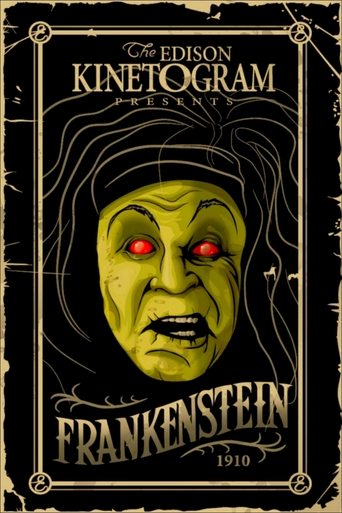
Frankenstein
1910 · J. Searle Dawley
The job: bring something to life. The creature forms in a vat of smoke, a burning dummy run backward. Sixteen minutes, one surviving print, lost for most of a century. Ogle built the creature himself: the wig, the hunch, the hands.
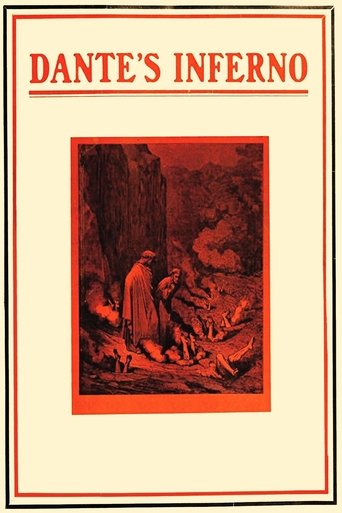
Dante's Inferno
1911 · Giuseppe de Liguoro, Francesco Bertolini, Adolfo Padovan
The job: go long. An hour, fifty tableaux, Doré's engravings restaged with real bodies. The feature film arrives from Italy with a lecturer standing beside it. Watch the frozen lake and Ugolino. The compositions are copied. The horror is not.
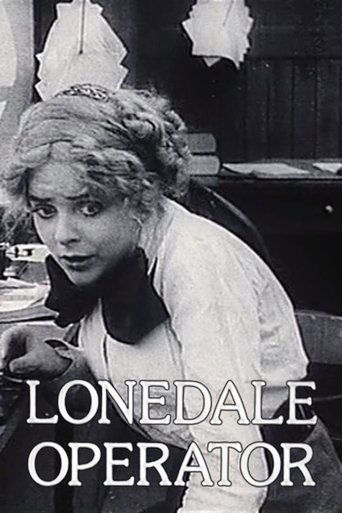
The Lonedale Operator
1911 · D. W. Griffith
The job: race. Griffith cuts the office, the tracks, and the train against each other, more than a hundred shots in one reel, until the rescue is a rhythm. The last close-up, a wrench held like a pistol, is the whole trick of editing in one object.