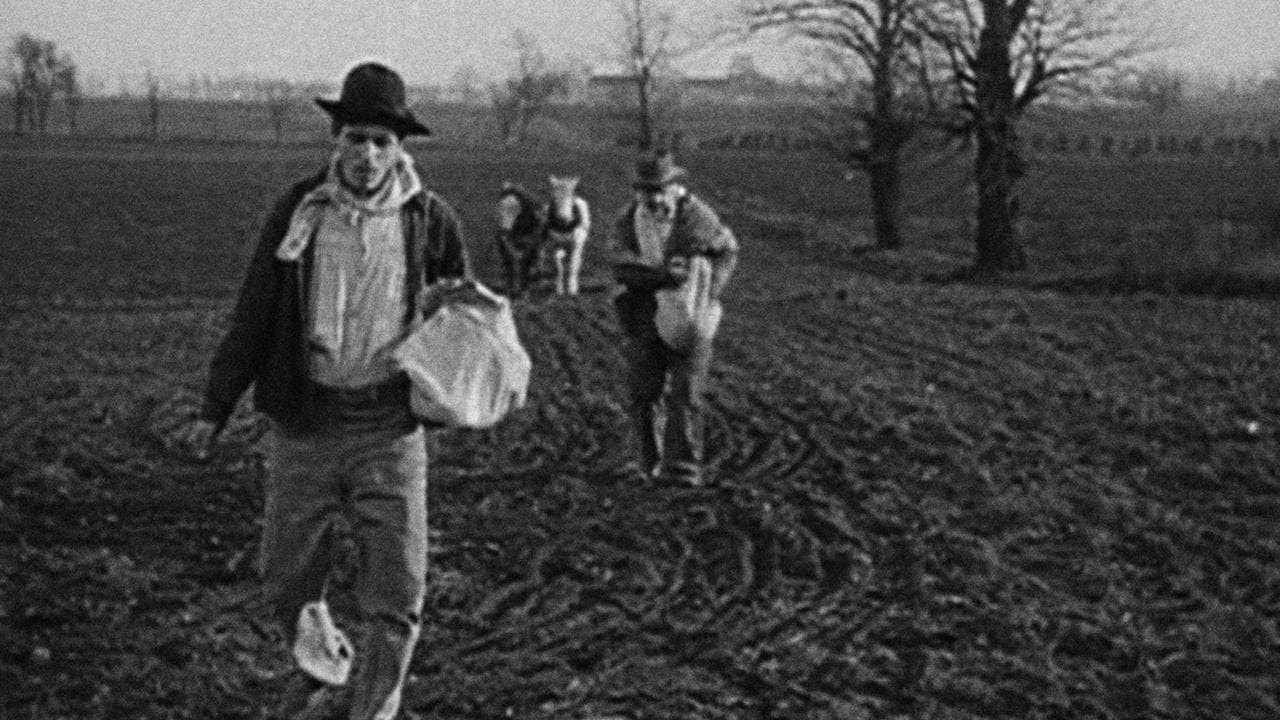
A Corner in Wheat
1909·14 min·US
Director: D.W. Griffith
Drama
D.W. Griffith's fourteen-minute masterclass in social commentary, and one of the earliest films to wield editing as a moral argument. A wheat speculator corners the market, driving bread prices beyond what the poor can afford. Griffith cuts between three worlds — the farmer sowing his fields, the tycoon celebrating at a lavish banquet, and the hungry lined up at a bakery — and the juxtaposition is devastating. Adapted from Frank Norris's writing, the film is startlingly modern in its anger at economic inequality. Its final irony is grimly satisfying. This is where cinema first learned it could be a weapon of conscience.
D.W. Griffith's fourteen-minute masterclass in social commentary, and one of the earliest films to wield editing as a moral argument. A wheat speculator corners the market, driving bread prices beyond what the poor can afford. Griffith cuts between three worlds — the farmer sowing his fields, the tycoon celebrating at a lavish banquet, and the hungry lined up at a bakery — and the juxtaposition is devastating. Adapted from Frank Norris's writing, the film is startlingly modern in its anger at economic inequality. Its final irony is grimly satisfying. This is where cinema first learned it could be a weapon of conscience.
Watch
Explore Further
Where to Watch
Streaming data by JustWatch
Cast
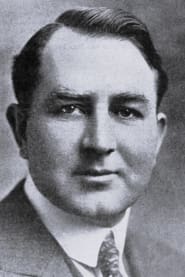
Frank Powell
The Wheat King
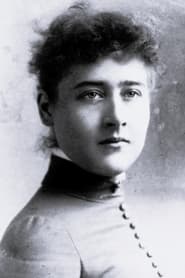
Grace Henderson
The Wheat King's Wife
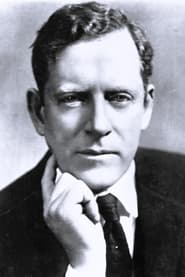
James Kirkwood
Farmer
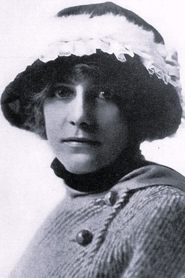
Linda Arvidson
Farmer's Wife
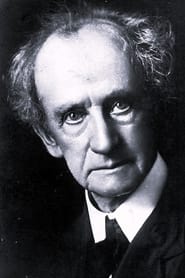
W. Chrystie Miller
Farmer's Father
Gladys Egan
Farmer's Little Daughter
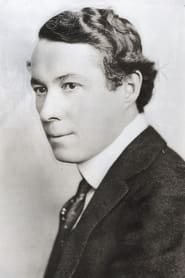
Henry B. Walthall
Wheat King's Assistant
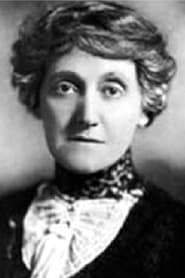
Kate Bruce
W
William J. Butler
C
Charles Craig
F
Frank Evans
E
Edith Haldeman
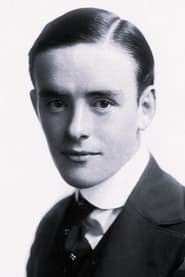
Robert Harron
R
Ruth Hart
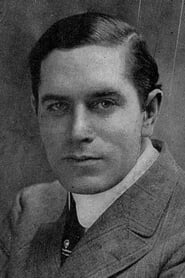
Arthur V. Johnson