The Silent West
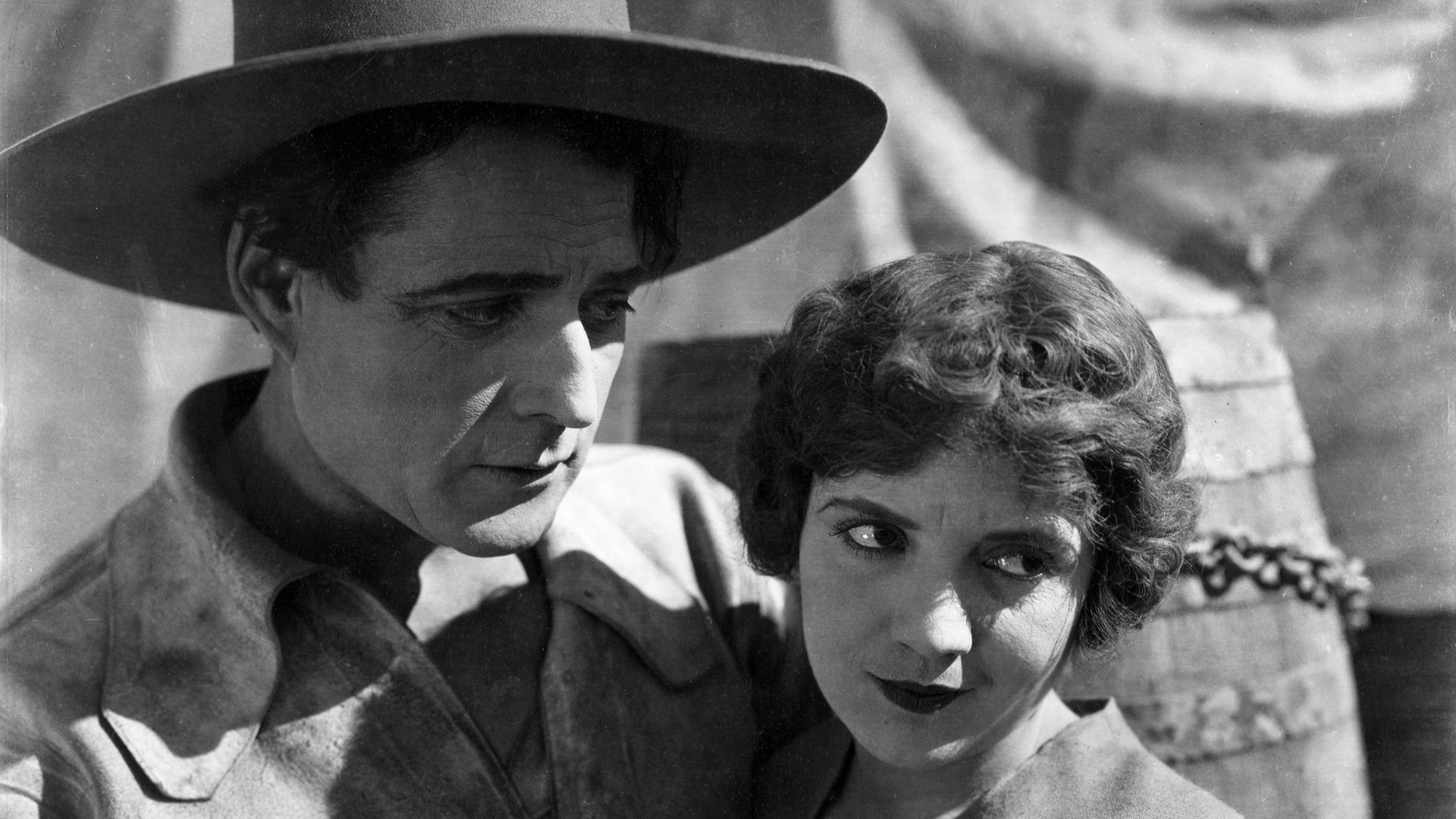
The Western was the first genre American cinema invented for itself, and for thirty years before John Wayne ever rode into Monument Valley, it did most of its serious work in silence. The frontier had only just closed when the cameras arrived to film it, and the men and women who built the silent Western were doing something stranger than nostalgia: they were inventing the visual grammar — the long approach, the gunfighter's walk, the empty street at noon — that the rest of cinema would still be quoting a century later. This collection follows the form from its first narrative experiment in 1903, through the Eastern stage Westerns and the rise of William S. Hart's flinty moralism, to the wagon-train epics that mythologized the migration even as the last witnesses were still alive, to the doomed romanticism of the late-silent canon, to the first sound Westerns that had to figure out, all over again, what wind and hoofbeats were supposed to mean. What the silent Western lacked in dialogue it more than made up for in landscape: there has never been a stretch of cinema in which the American land itself was photographed with so much attention.
17 films
The Great Train Robbery
1903 · Edwin S. Porter
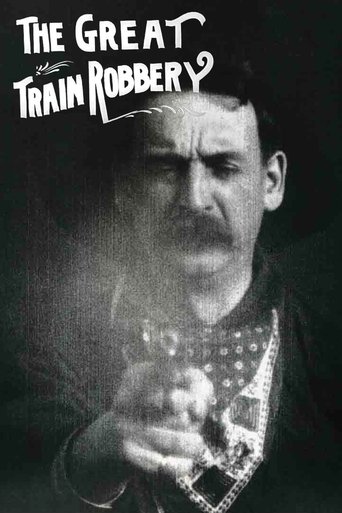
The first narrative Western and one of the first narrative films, period. Edwin S. Porter's twelve-minute heist remains startling: parallel editing, location shooting, a real horse charge, and the famous closing shot of an outlaw firing his pistol directly at the audience — a moment that made nickelodeon audiences flinch and made every Western since possible. None of the genre's grammar was settled in 1903. Most of it was settled here.
The Squaw Man
1914 · Cecil B. DeMille, Oscar Apfel
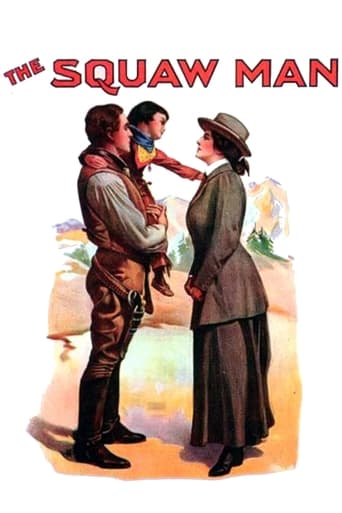
Cecil B. DeMille's first feature, the picture that brought him to a barn in Hollywood, and the film that effectively founded the American film industry on the West Coast. The plot — an English aristocrat exiled to Wyoming, a forbidden marriage to a Native woman, a tragedy designed to clear the way for the white couple at the end — has aged badly in every way the early Western's racial assumptions tend to age. But the picture itself is a remarkable artifact: the moment American cinema decided the West was where it lived now.

The Bargain
1914 · Reginald Barker
William S. Hart's first feature, made when he was already nearly fifty, and the introduction of the persona that would dominate the Western for the next decade: the "good bad man," a stoic outlaw with an unshakable internal code who could be redeemed by a good woman but never softened. Hart, who had grown up in the actual West and worshipped the real frontier, treated the genre with a near-religious seriousness that would alienate audiences once Tom Mix arrived with his white hat and trick horse — but for ten years, Hart was the West.
Hell's Hinges
1916 · Charles Swickard
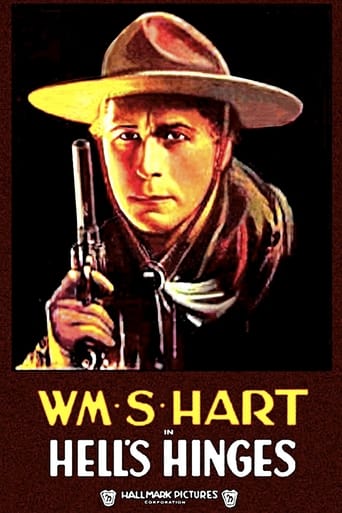
The Hart canon's most famous and most apocalyptic film: a frontier town so corrupt that its eventual destruction by fire feels less like climax than like judgment. The closing sequence — the entire town burning while Hart rides toward the camera through the smoke — has the iconographic weight of a Western painting and the moral force of a sermon. Few American films before or since have committed so totally to the Old Testament idea that some places need to be burned to the ground.
The Narrow Trail
1917 · William S. Hart, Lambert Hillyer
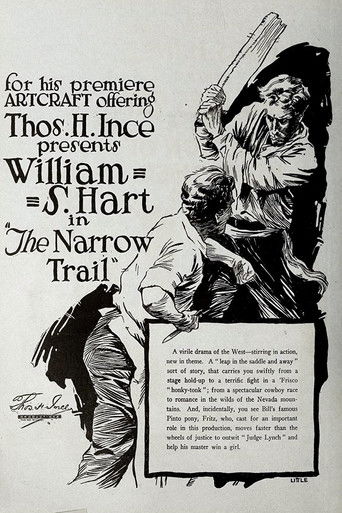
A Hart picture about a stage-robber who falls in love with a dance-hall girl and tries to go straight, with one of the era's most carefully observed studies of a working horse — a paint stallion named Fritz, who Hart treated as a co-star and whose intelligence the camera tracks as closely as any human performance. The Narrow Trail is small, patient, and stubborn, and its quietest passages remain among the genre's most adult moments.
Wagon Tracks
1919 · Lambert Hillyer
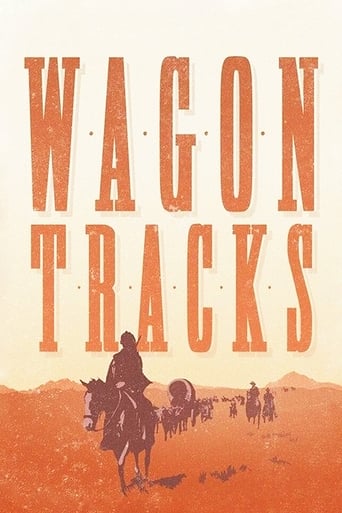
A Santa Fe Trail picture about a wagon master leading settlers across the plains while hunting the men who killed his brother. Wagon Tracks is the quintessential Hart film of the late teens — wide landscapes, slow vengeance, a moral arithmetic worked out in dust and silence. The location work is some of the period's best, and the film's clear-eyed view of the trail's monotony and danger predicts John Ford by a decade.
The Mark of Zorro
1920 · Fred Niblo
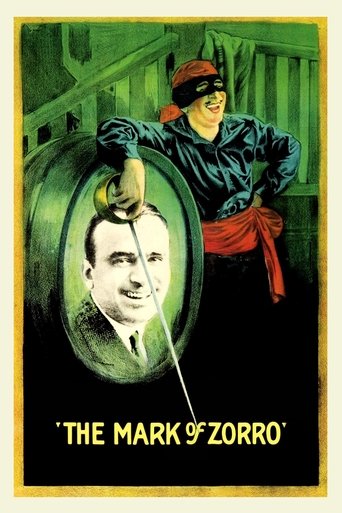
Douglas Fairbanks abandoning the modern-dress comedies that had made him famous and inventing the swashbuckler in one move. The setting is Spanish California rather than the Anglo frontier, but the genre's DNA is the same: a masked rider, a corrupt local power, a populace in need of saving. Fairbanks moves like nobody else in cinema — he runs across rooftops, vaults from balconies, fences with the indolent grace of a man for whom gravity is optional. The picture is enormous fun, and it pointed Hollywood toward a Western that could be entertainment first and morality play second.
Just Pals
1920 · John Ford
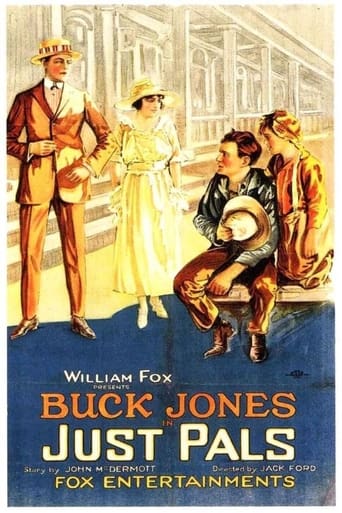
John Ford's first Fox picture, made when he was still credited as Jack Ford and was twenty-five years old. It is a small-town drama as much as a Western, but the sensibility — the affection for marginal men, the loyalty as a moral category, the sense of a community always one drifter away from being a real place — is unmistakably the Ford who would later make Stagecoach and The Searchers. Buck Jones plays the town's shiftless idler, and Ford photographs him with the patient sympathy of a director who already knew exactly what kind of films he wanted to make.
The Covered Wagon
1923 · James Cruze
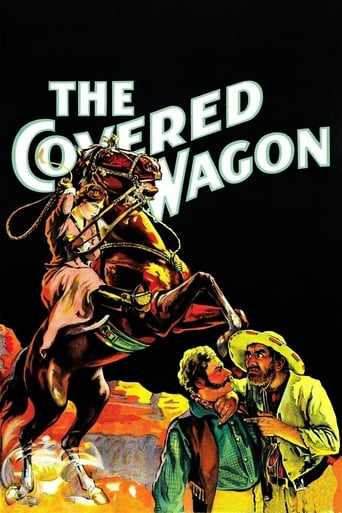
The first true Western epic, and the picture that proved the genre could carry the scale of an Intolerance. James Cruze took five hundred wagons, three thousand extras, and a herd of buffalo into the Nevada desert and came back with a film that defined the wagon-train picture for a generation. The Covered Wagon was an enormous popular success, ran for a year on Broadway with a live orchestra and Indian performers in the lobby, and reset Hollywood's sense of what a Western was allowed to attempt.
The Iron Horse
1925 · John Ford
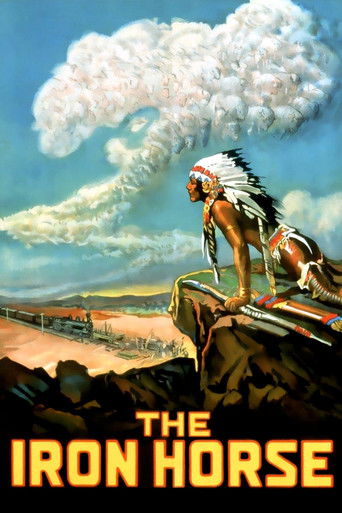
John Ford's first epic, and the film that made him a major director. The story of the building of the transcontinental railroad is told with a sweep that was unusual in 1924 and would become the Ford signature: the camera held at a low angle as the workers moved across the frame, the landscape doing as much work as the actors, the historical weight of a country being made and unmade in the same gesture. Ford shot in Nevada in below-zero weather with a cast of thousands and brought back a film that was, in its quiet way, the answer to The Covered Wagon and the foundation of everything he would do for the next forty years.
Tumbleweeds
1925 · William S. Hart, King Baggot
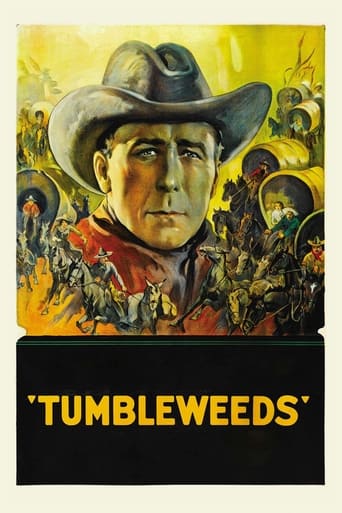
William S. Hart's last film, an Oklahoma land-rush picture that he financed himself after United Artists tried to recut his earlier work. The land-rush sequence — hundreds of wagons, riders, and runners pouring across the line at high noon — remains one of silent cinema's great spectacles, shot with the kind of patient choreography that no studio production manager would have permitted. Hart added a spoken prologue when he reissued the film in 1939, eight minutes of an old man on a soundstage talking about a frontier that had been gone for forty years. It is one of the most moving pieces of acting in his career.
Go West
1925 · Buster Keaton
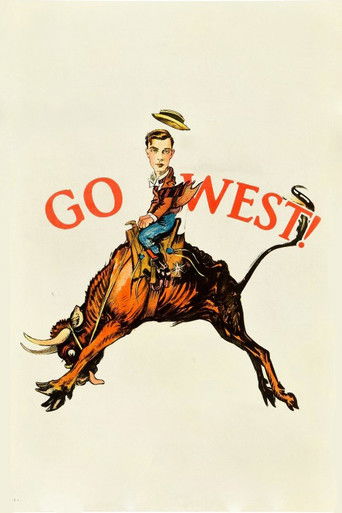
Buster Keaton's most pastoral feature, and the only one in which his stoic affection for an animal carries more weight than his romance with a woman. Keaton plays a loner who heads west, takes a job as a cattle hand, and forms an attachment to a cow named Brown Eyes that becomes the film's actual emotional center. The climactic cattle-drive through downtown Los Angeles — an entire herd loose in the streets, with Keaton in a red devil costume trying to lead them to the stockyards — is one of his greatest sustained set pieces, and a quiet parody of Hart's solemn frontier moralism by a comedian who had clearly seen every Hart film ever made.
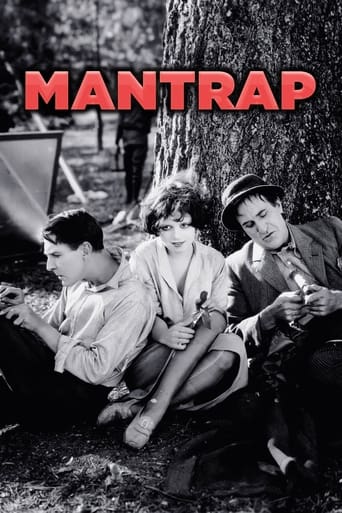
Mantrap
1926 · Victor Fleming
Victor Fleming directing Clara Bow in a Sinclair Lewis adaptation set in the Canadian wilderness, several years before he would make Red Dust or Gone With the Wind. Mantrap is a frontier romantic comedy more than a true Western, but it belongs in the conversation: a city lawyer flees civilization, finds a trapper's wife who is rapidly becoming bored with the woods, and learns that the wilderness is harder on relationships than it is on men. Bow's performance is one of her best, and the film's view of the frontier — a place where unhappy people go to be unhappy more comfortably — is one of the era's smarter takes on the myth.
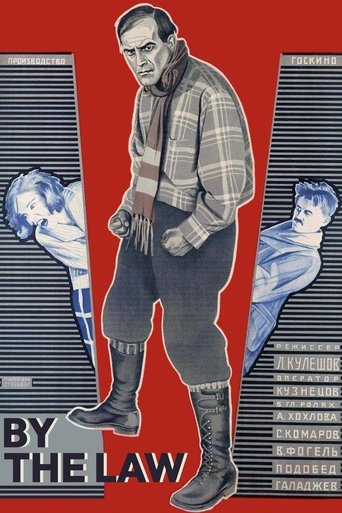
By the Law
1926 · Lev Kuleshov
Lev Kuleshov adapting Jack London's gold-rush story "The Unexpected" — a Russian formalist's vision of the Yukon, with three trapped prospectors, a murder, a trial held by candlelight, and a final image as bleak as anything in silent cinema. By the Law is the most claustrophobic Western ever made, almost entirely confined to a single cabin during a flood, and its rigorous Soviet montage logic transforms the frontier myth into something closer to Dostoevsky. A reminder that the Western was never only an American form.
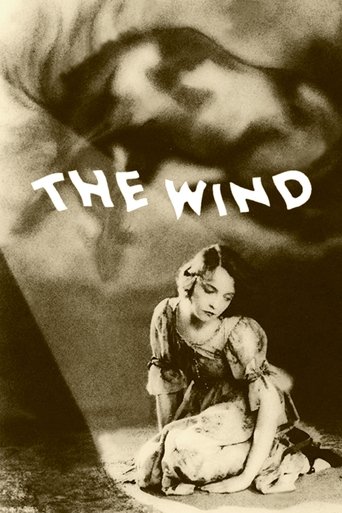
The Wind
1928 · Victor Sjöström
Victor Sjöström's last American film, and the silent Western's greatest psychological work. Lillian Gish plays a Virginia woman who marries a cattleman she doesn't love and is slowly broken by the wind that never stops blowing across the Texas plain. Sjöström, working with the same sensibility he had brought to The Phantom Carriage, treats the frontier as a state of mind rather than a place — a hostile element that erodes the inside of a person until there is nothing left to defend. MGM, panicked by the bleakness of the original ending, forced a happy one over Sjöström's objections. It is still one of the most uncompromising studio films of the silent era.
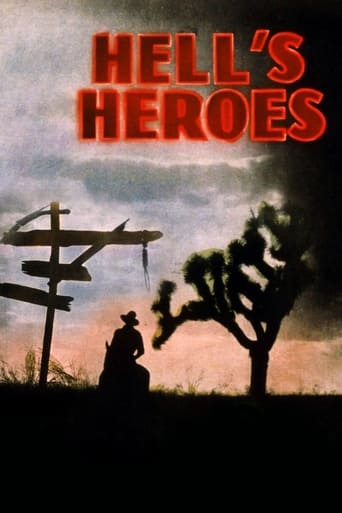
Hell's Heroes
1929 · William Wyler
William Wyler's first sound feature, an early all-talkie adaptation of Peter B. Kyne's "Three Godfathers" — three bank robbers fleeing through the desert who find a dying woman and her newborn son and have to decide what kind of men they are. Wyler shot the film in Death Valley with a brutal commitment to the heat and the dust, and the result is one of the strongest of the early-sound Westerns: lean, religious, and unsentimental. Ford would remake the same source material twice over the next twenty years; Wyler did it first.
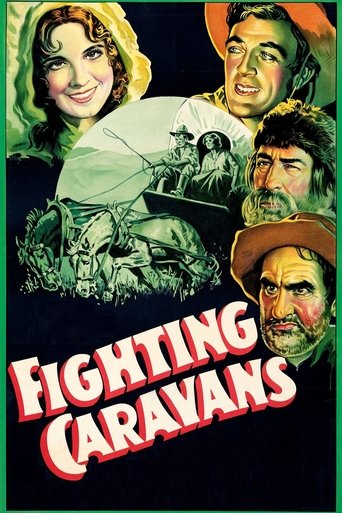
Fighting Caravans
1931 · David Burton, Otto Brower
Gary Cooper, three years before he became Gary Cooper, in a Zane Grey wagon-train picture that closes out the silent Western tradition by translating it into sound. The dialogue is stiff in the way most 1931 dialogue is stiff, but the visual storytelling — the mountain crossings, the river fords, the long shots of wagons against weather — is direct silent-era inheritance. By the time the next great Western arrived (Stagecoach, eight years later), the form had been mostly forgotten and would have to be rediscovered by Ford from the ground up. Fighting Caravans is what the genre looked like the moment before that forgetting began.