The Covered Wagon
1923·US
Director: James Cruze
RomanceWesternAdventure
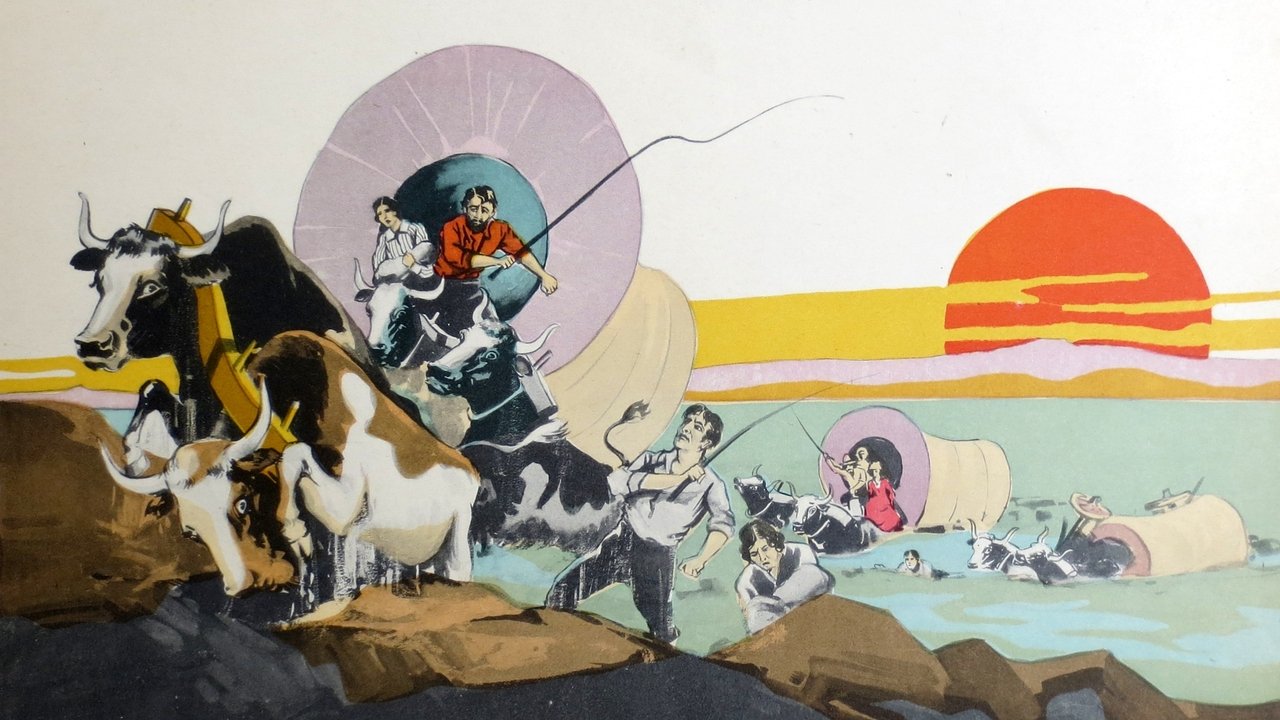
James Cruze's sweeping Western epic — the film that launched Hollywood's love affair with the frontier and proved that American landscapes could be as visually spectacular as any studio set. Two wagon trains converge at what is now Kansas City and combine forces for the perilous journey west along the Oregon Trail, braving river crossings, mountain passes, and conflicts with Native peoples (depicted, inevitably, through the lens of 1923 attitudes). Shot on location in Nevada with hundreds of real wagons, thousands of extras, and massive buffalo herds, the film's scale was unprecedented for a Western, and its success opened the door for every epic frontier picture that followed. The love story is conventional, but the landscape photography is genuinely magnificent, and the film pulses with the myth-making energy of a nation telling itself its own origin story.
James Cruze's sweeping Western epic — the film that launched Hollywood's love affair with the frontier and proved that American landscapes could be as visually spectacular as any studio set. Two wagon trains converge at what is now Kansas City and combine forces for the perilous journey west along the Oregon Trail, braving river crossings, mountain passes, and conflicts with Native peoples (depicted, inevitably, through the lens of 1923 attitudes). Shot on location in Nevada with hundreds of real wagons, thousands of extras, and massive buffalo herds, the film's scale was unprecedented for a Western, and its success opened the door for every epic frontier picture that followed. The love story is conventional, but the landscape photography is genuinely magnificent, and the film pulses with the myth-making energy of a nation telling itself its own origin story.
Watch
Where to Watch
Streaming data by JustWatch
Cast


Crew
Karl Brown
cinematographer
Jack Cunningham
writer