American Spectacle
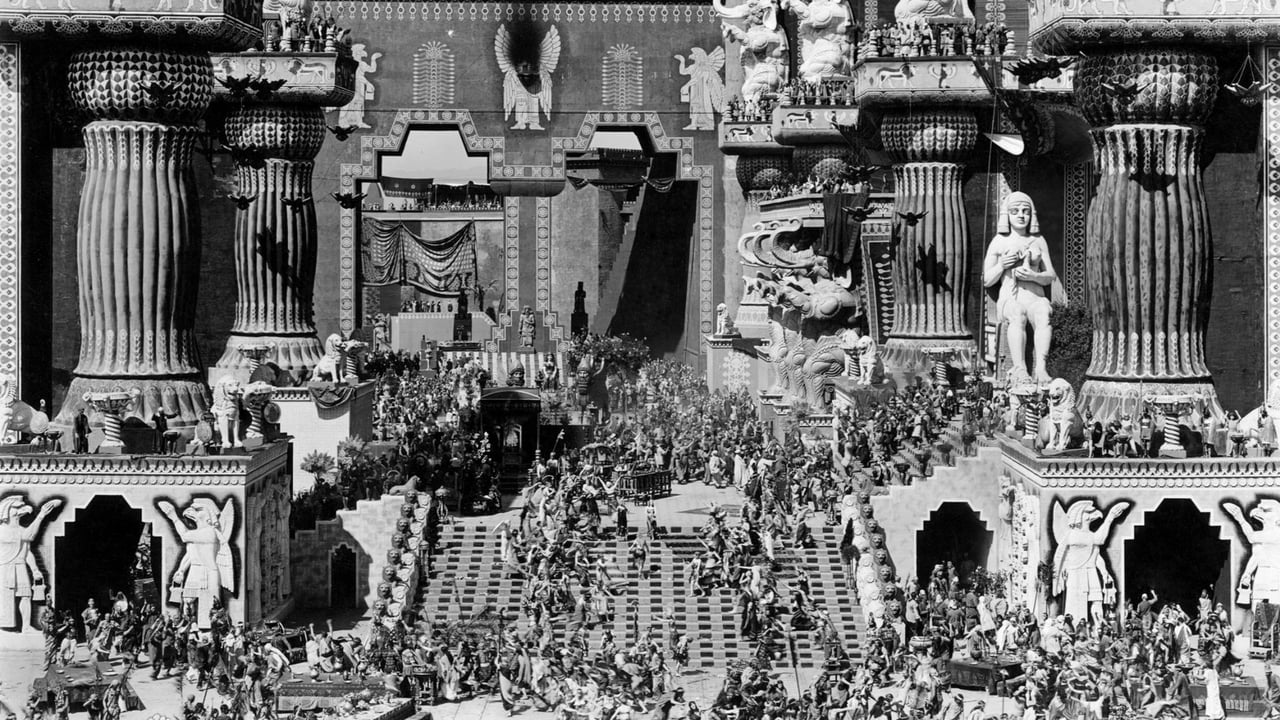
These are the pictures that spent the money where you can see it. Griffith built Babylon. Fairbanks vaulted a set the size of a town. Chaney's Notre-Dame filled a backlot. The Ben-Hur chariot race nearly sank MGM before it paid. Flaherty went to the Arctic. Cooper and Schoedsack went to Siam. Wellman, a wartime flier, put cameras on real planes for Wings, which took the first Academy Award for Outstanding Picture. Watch the scale, then the cost. Hell's Angels took years and killed pilots. Noah's Ark used real water on extras. Nanook is counted as the first great documentary feature; a lot of it was staged. The ambition is the subject. So is who got hurt making it look easy.
21 films
Intolerance: Love's Struggle Throughout the Ages
1916 · D. W. Griffith
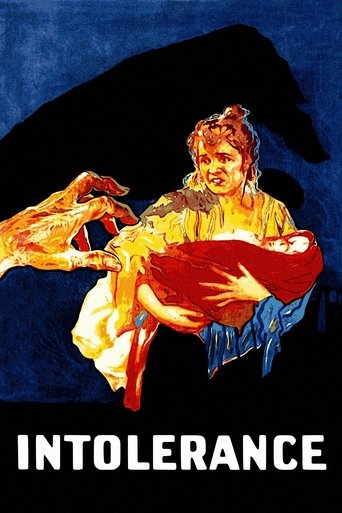
Babylon, built about ninety feet high across from the studio on Sunset, with three thousand extras on alternate days. Four stories cut together and a cradle rocking between them. The books say $385,906.77, not the two million the ads promised. It lost money at the scale it was made.
The Mark of Zorro
1920 · Fred Niblo
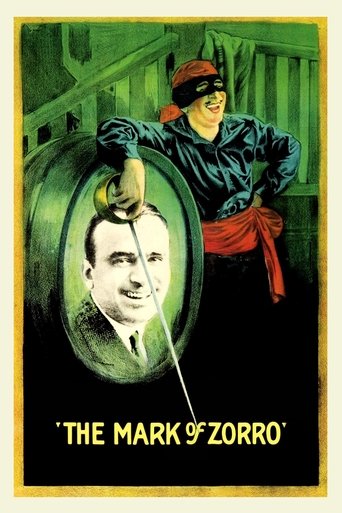
Fairbanks turns from comedy to swords in one picture. The scale here is a body: a fop indoors, a vault over the wall outside. A fencing champion was hired to school the villains so the hero would have someone to beat.
The Four Horsemen of the Apocalypse
1921 · Rex Ingram
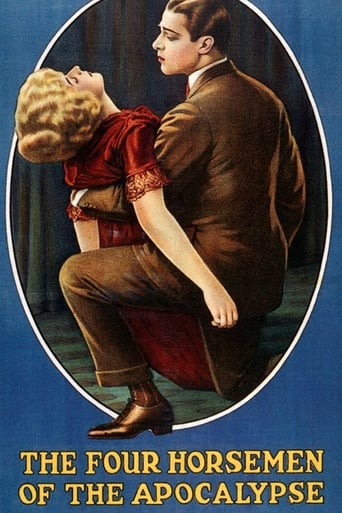
The year's biggest grosser, and the film that made Valentino a name you could sell alone. The scale is the trenches, large for 1921, and the tango in the Buenos Aires café that everyone came back for. June Mathis insisted on him. She was right.
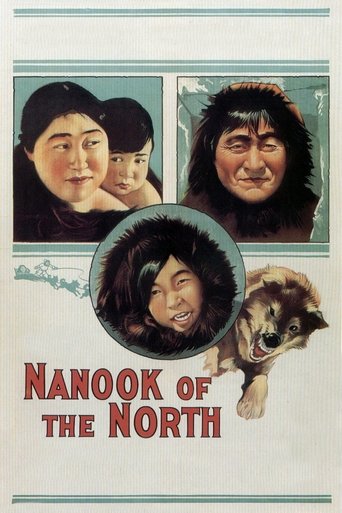
Nanook of the North
1922 · Robert Flaherty
The Arctic as spectacle, with a fur house paying the bills. Flaherty restaged the walrus hunt and cut an igloo in half for light, and the cold in the frame is real. The cost is the question the film keeps raising about itself: what was arranged, and who got credited.
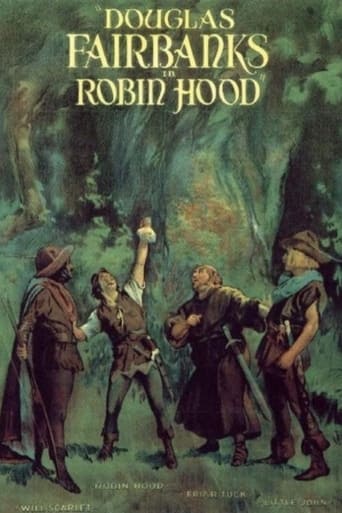
Robin Hood
1922 · Allan Dwan
The Nottingham castle set was advertised as the largest built in Hollywood, and the trades sold the square footage as hard as the plot. First half pageant, second half Fairbanks on the drawbridge chain. Watch him slide down the curtain. The set stood for years after.
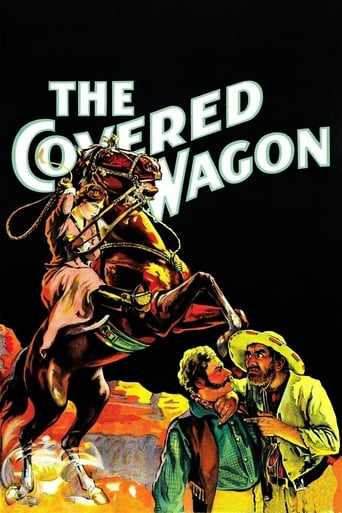
The Covered Wagon
1923 · James Cruze
The Western that taught the studios a landscape could outgross a drawing room. Hired wagons, a herd counted by the publicity office, a river crossing photographed as if it might not work. The courtship is filler. The buffalo are the picture.
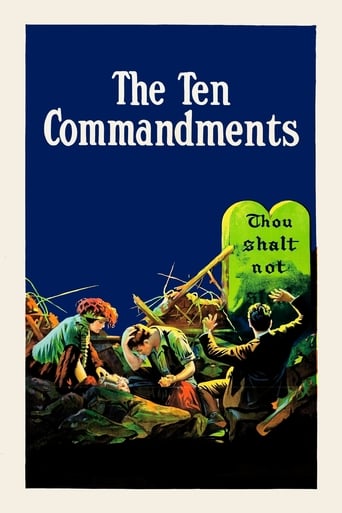
The Ten Commandments
1923 · Cecil B. DeMille
The Red Sea is a trough of gelatin and a camera run backward, and it still works. DeMille buries a sphinx in the Guadalupe dunes and leaves it for the archaeologists. Then a modern sermon in San Francisco. Skip to the Exodus if you must. The cost was paid in sand.
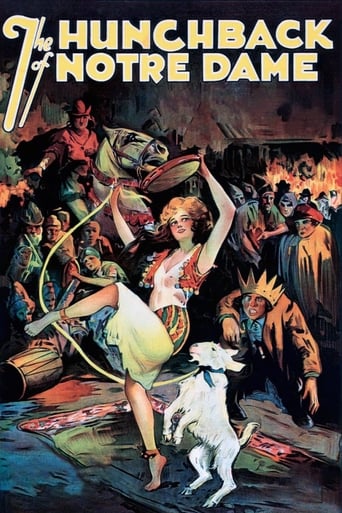
The Hunchback of Notre Dame
1923 · Wallace Worsley
Universal put up the cathedral façade on the back lot and Chaney put twenty pounds of plaster on his back. Three and a half hours in the chair every day. The mob is where the budget went. Watch the eyes under the makeup.
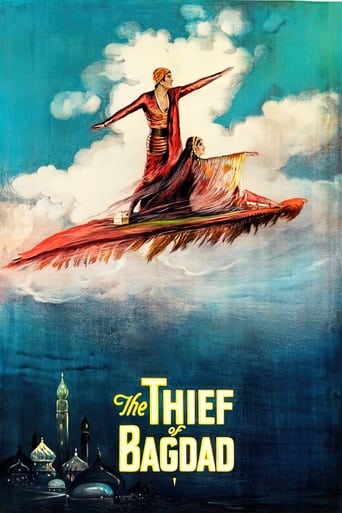
The Thief of Bagdad
1924 · Raoul Walsh
The set is a plaster city and the body is Fairbanks. Menzies built stairs and minarets big enough to vault, and the flying carpet is wires and double exposure. Watch the first rooftop run. Everything after it is the studio trying to keep up.
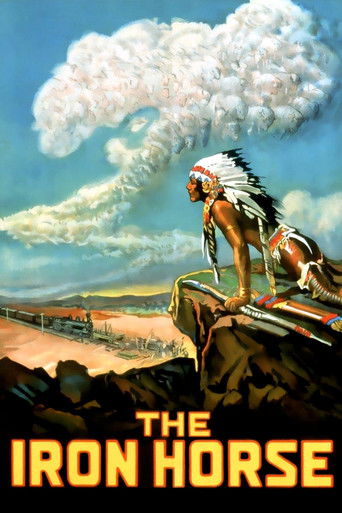
The Iron Horse
1925 · John Ford
Ford in Nevada with real locomotives and a camp the trades called a town. The scale is the last spike at Promontory, with the Jupiter and the 119 standing in for themselves. The murdered father is the excuse. The landscape style Ford kept for forty years starts here.
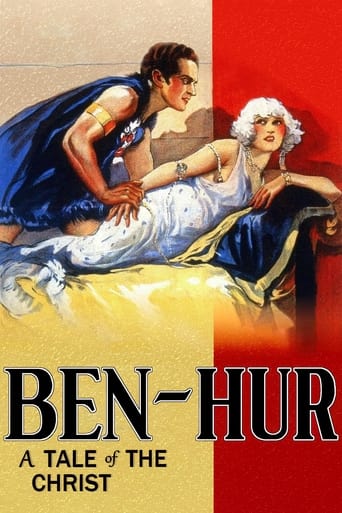
Ben-Hur: A Tale of the Christ
1925 · Fred Niblo
The chariot race: a circus built in Culver City, dozens of cameras, men hurt. Begun in Italy, wrecked there, rebuilt at home, and it nearly sank MGM before it paid. The sea battle used full galleys. The 1959 remake copied the race and not much else.
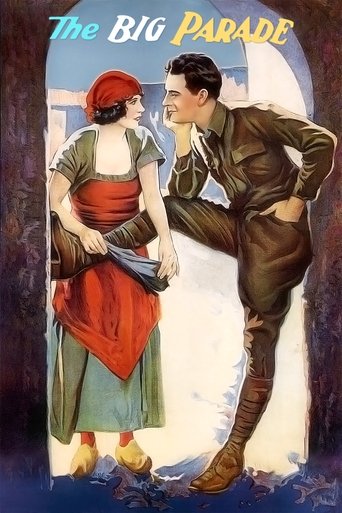
The Big Parade
1925 · King Vidor
The year's top grosser, and the cost is in the second half. The walk into Belleau Wood is staged as a slow count, men dropping on a rhythm. Stallings, who lost a leg in France, worked on the story. Gilbert without a saber, and better for it.
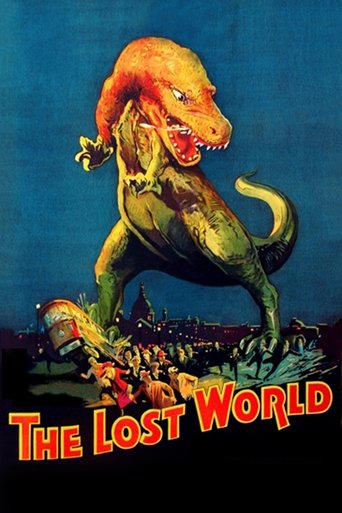
The Lost World
1925 · Harry O. Hoyt
O'Brien's dinosaurs have weight, and the actors do not. A brontosaur loose in London, an allosaurus on the plateau, and Conan Doyle himself introducing it in some prints. Cooper and Schoedsack were in the audience. King Kong is what they did with the lesson.
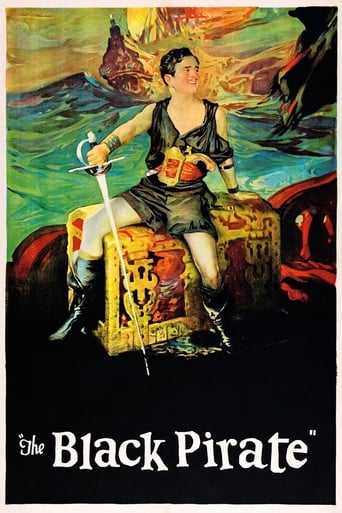
The Black Pirate
1926 · Albert Parker
Two-color Technicolor as the point of the production. Fairbanks wanted Howard Pyle's plates and shot toward them. The slide down the sail on a knife was the stunt the ads sold, and it was done for real. A revenge plot that looks hand-tinted.
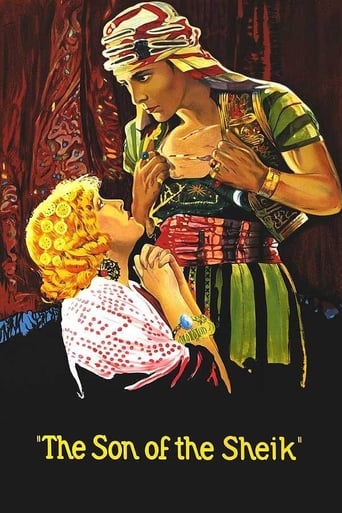
The Son of the Sheik
1926 · George Fitzmaurice
Valentino playing father and son by double exposure, in the same Guadalupe sand DeMille used. It opened weeks after he died and the grief sold it. He had wanted something lighter than The Sheik. What he got was a farewell the studio could bill.
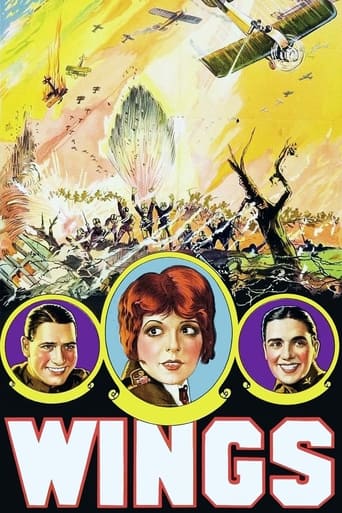
Wings
1927 · William A. Wellman
Wellman had flown in the war and bolted cameras to real aircraft. The dogfights are airframes, not paintings; the Saint-Mihiel battle used infantry and trenches dug in Texas. It took the first Outstanding Picture award. Bow in a mechanic's suit is the part they kept for the poster.
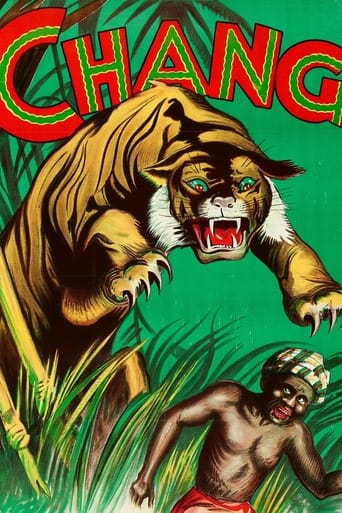
Chang: A Drama of the Wilderness
1927 · Ernest B. Schoedsack, Merian C. Cooper
Siam, a Lao family, a tiger, and an elephant drive through a village on stilts. Cooper and Schoedsack staged what they had to and shot what they could. The stampede is the sequence, and the danger in it is not acting. Six years later they built Kong out of this method.

Noah's Ark
1928 · Michael Curtiz
Real water released on real extras, and several were hurt; the literature no longer calls that a rumor. A modern war romance cut against the Flood, half a talkie already. Curtiz was new at Warners. Watch the deluge, then think about who is in it.
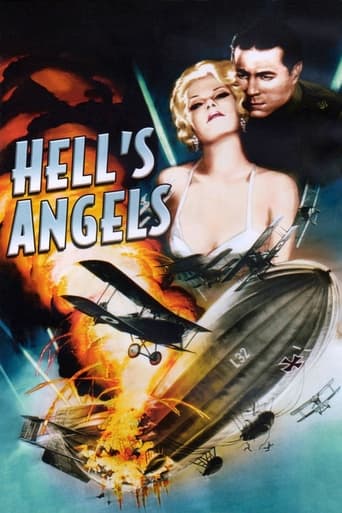
Hell's Angels
1930 · Howard Hughes
Three years, a fleet of period aircraft, about four million dollars, and pilots killed. Hughes began it silent, reshot it with sound, and replaced his lead with Jean Harlow. The Zeppelin raid is the sequence. The cost is in the credits nobody reads.
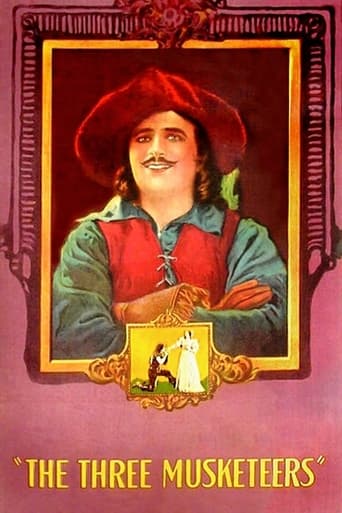
The Three Musketeers
1921 · Fred Niblo
Fairbanks as D'Artagnan, the year after Zorro, and the scale is swords and stairs. Niblo keeps the diamond-brooch plot moving so the vaults have somewhere to land. Watch the duel with the cardinal's guards. This is the athlete before the castle got built.

The Gaucho
1927 · F. Richard Jones
Fairbanks with a whip and a darker script: a shrine, a usurper, and a reckoning the boyish pictures had not asked for. The bolas and the horse work are the scale. The cost is that the hero has to be humbled, and Fairbanks, for once, lets him.