Serpent
雄呂血
1925·74 min·JP
Director: Buntarō Futagawa
DramaAction
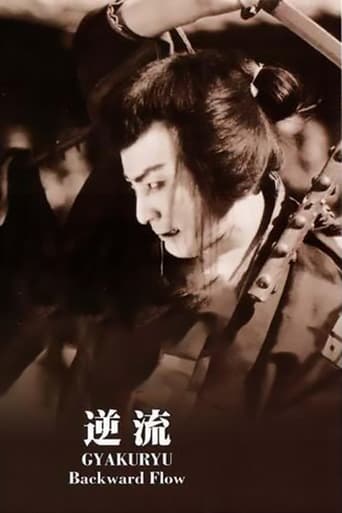
Buntaro Futagawa's atmospheric jidaigeki (period drama) about a masterless samurai brought low by circumstance and misunderstanding — a recurring theme in Japanese cinema that here receives one of its earliest and most compelling silent-era treatments. The film follows a once-proud warrior who falls into poverty and disgrace, navigating a world of rigid social hierarchies and casual cruelty with stoic dignity. The film's visual style draws on both traditional Japanese art and the compositional techniques of European cinema, creating a hybrid that feels distinctly modern. A valuable early example of the samurai film genre that would later produce masterpieces from Kurosawa, Kobayashi, and Gosha — and a window into the rich, complex world of 1920s Japanese cinema that remains too little known in the West.
Buntaro Futagawa's atmospheric jidaigeki (period drama) about a masterless samurai brought low by circumstance and misunderstanding — a recurring theme in Japanese cinema that here receives one of its earliest and most compelling silent-era treatments. The film follows a once-proud warrior who falls into poverty and disgrace, navigating a world of rigid social hierarchies and casual cruelty with stoic dignity. The film's visual style draws on both traditional Japanese art and the compositional techniques of European cinema, creating a hybrid that feels distinctly modern. A valuable early example of the samurai film genre that would later produce masterpieces from Kurosawa, Kobayashi, and Gosha — and a window into the rich, complex world of 1920s Japanese cinema that remains too little known in the West.
Watch
Cast
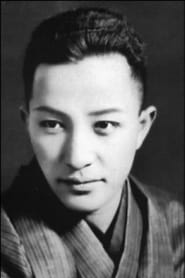
Tsumasaburō Bandō
Heisaburo Kuritomi
M
Misao Seki
Hyozan Matsusumi
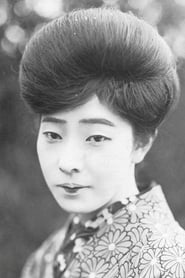
Utako Tamaki
Namie, Hyôzan's Daughter
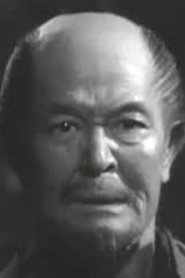
Kensaku Haruji
Shin'nojo Esaki, Her Husband
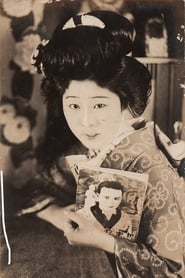
Shizuko Mori
Ochiyo
K
Kichimatsu Nakamura
Jirozo Akagi
M
Momotarô Yamamura
Shinpachiro Namioka
K
Kotonosuke Nakamura
Kokichi
S
Shigeyo Arashi
Nekohachi
Z
Zen'ichirô Yasuda
Santa
Crew
Rokuhei Susukita
writer
Seizo Ishino
cinematographer