Japanese Early Cinema
Japanese cinema developed along a path unlike any other national tradition. While the rest of the world embraced intertitles, Japan retained the benshi, live narrators who stood beside the screen and performed all the characters' voices, provided commentary, and shaped the audience's emotional response to the images. This practice, rooted in centuries of theatrical storytelling, meant that Japanese filmmakers thought about the relationship between image and voice differently from their Western counterparts, and it helps explain why the transition to sound happened later in Japan than almost anywhere else. The films in this collection span from 1921, when Minoru Murata made what is often cited as the first significant Japanese art film, to 1936, when Kenji Mizoguchi produced the work that announced him as one of cinema's great artists. Between those dates, Japanese filmmakers created a body of work that encompassed radical avant-garde experimentation, swashbuckling period adventure, and a tradition of quiet domestic observation that has no real equivalent in Western cinema. Yasujirō Ozu was already developing the understated family dramas that would eventually make him one of the most revered directors in film history. Teinosuke Kinugasa was pushing formal boundaries as aggressively as anything happening in Europe. And Sadao Yamanaka, killed in the war at twenty-eight, was reinventing the samurai genre with a humanist wit that anticipated decades of later filmmaking. What strikes a modern viewer about these films is how little they conform to Western assumptions about what early cinema looks like. The pacing, the compositions, the emotional register all reflect a distinct cultural sensibility. These are not imitations of European or American models; they are the products of a cinematic tradition that was, from the beginning, fully its own.
12 films
From the Reading Room
- ↗READSan Francisco Silent Film Festival19 APR 2024
I Was Born, But…— Devika Girish
- ↗READSan Francisco Silent Film Festival12 FEB 2025
A Story of Floating Weeds— Chris Edwards
Souls on the Road
1921 · Minoru Murata
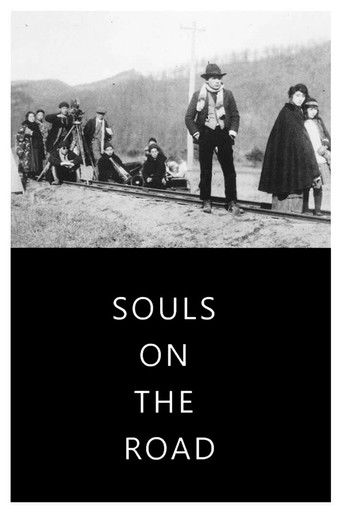
Often cited as the first significant Japanese art film, Murata's feature interweaves two parallel stories: a prodigal son returning to his father's house, and two escaped convicts wandering through the snow. The dual narrative structure was influenced by European filmmaking, particularly Griffith's Intolerance, but Murata adapts it to a distinctly Japanese sensibility, emphasizing the emotional weight of family obligation and social hierarchy. The film was a critical landmark, demonstrating that Japanese cinema could aspire to the same artistic ambitions as its Western counterparts while remaining rooted in its own cultural concerns. Much of the surviving print is damaged, but the film's historical importance is impossible to overstate.
Serpent
1925 · Buntarō Futagawa
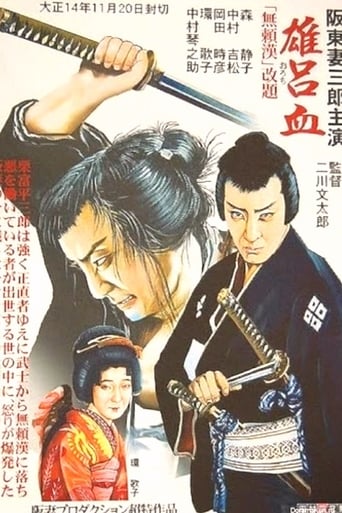
Buntarō Futagawa's jidaigeki (period drama) follows a samurai who falls from grace through a series of misunderstandings and betrayals. The film represents the genre that, alongside contemporary drama, formed one of the two great pillars of Japanese cinema. Where Western audiences tend to associate samurai films with Kurosawa's postwar epics, the genre was already a sophisticated tradition by the mid-1920s, drawing on kabuki theater, historical novels, and a deep cultural fascination with the codes of honor and loyalty that governed feudal life. Serpent is more theatrical than the later samurai films it anticipates, but its emotional intensity and physical dynamism are striking.
A Page of Madness
1926 · Teinosuke Kinugasa
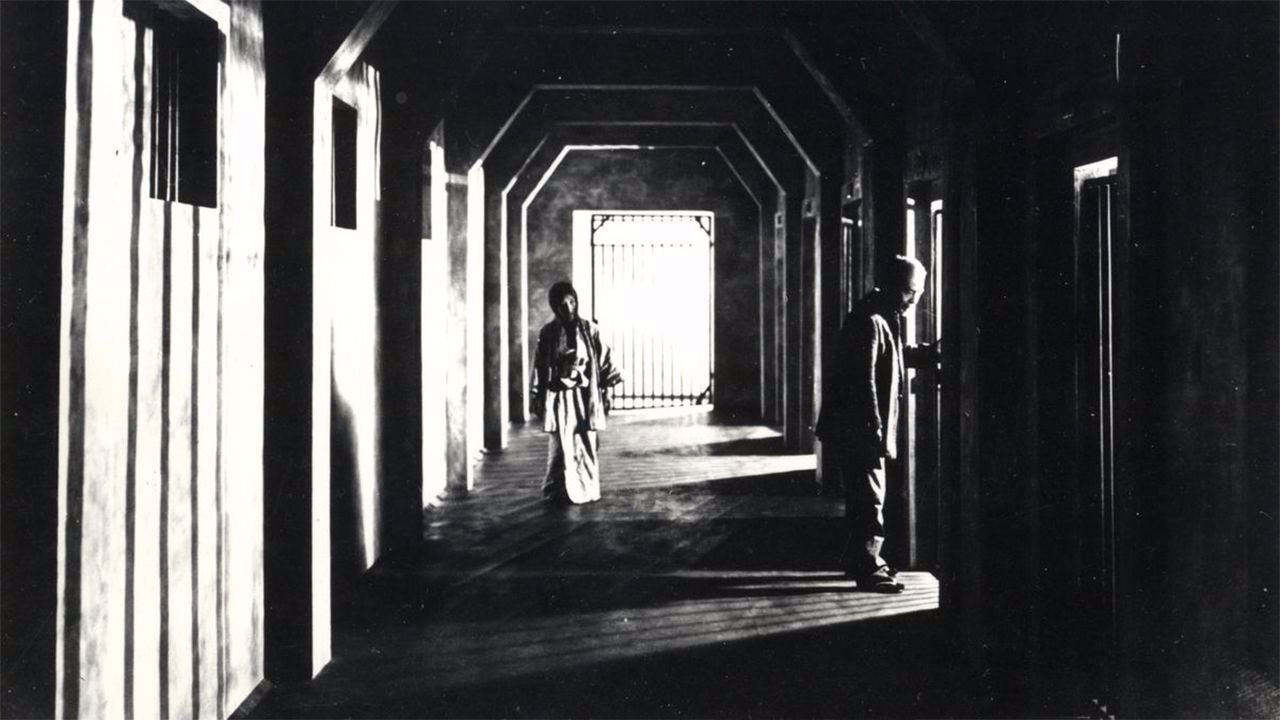
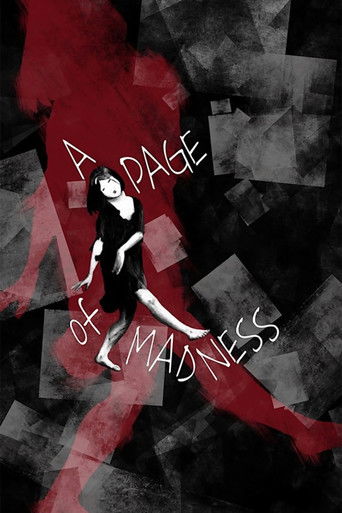
Teinosuke Kinugasa's avant-garde masterpiece was lost for nearly fifty years before being rediscovered in the director's storehouse in 1971. A former sailor takes a job as a janitor at the asylum where his wife is confined, and the film renders the interior experience of madness through a battery of formal techniques: superimposition, rapid editing, distorted lenses, and a complete absence of intertitles. The result is closer to German Expressionism or French Impressionism than to anything else being made in Japan at the time, yet it draws equally on the traditions of Noh theater, with its emphasis on masks, stylized movement, and the permeability of boundaries between the living and the dead. Nothing in Japanese cinema before it looks remotely like it.
Crossroads
1928 · Teinosuke Kinugasa
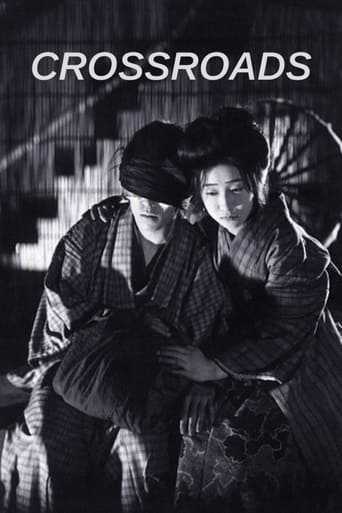
Kinugasa's second major work, made after he traveled to Europe and met Eisenstein and the French avant-garde filmmakers, applies Expressionist visual techniques to a jidaigeki setting. A young man is blinded during a fight in a brothel and wanders through a nightmarish version of old Edo, haunted by guilt and desire. The film bridges two traditions: the formal experimentation of the European avant-garde and the narrative conventions of Japanese period drama. Kinugasa uses chiaroscuro lighting and fragmented editing to render his protagonist's subjective experience, creating a samurai film that feels like a fever dream. It was one of the first Japanese films to receive wide international distribution.
What Made Her Do It?
1930 · Shigeyoshi Suzuki
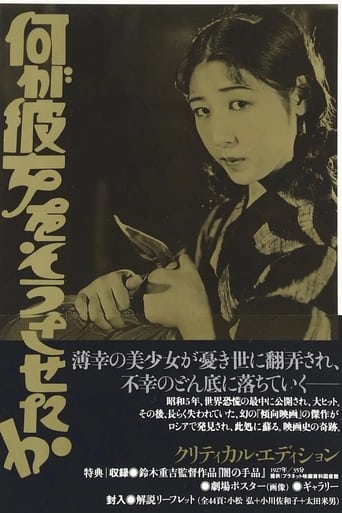
Shigeyoshi Suzuki's film follows a young woman named Sumiko through a succession of exploitations: sold to a circus by her alcoholic uncle, passed from one abusive situation to the next, never permitted to escape the cycle of poverty and male authority that defines her existence. The film belongs to the keikō eiga (tendency film) movement, which used melodramatic narratives to deliver social criticism in a period of increasing political repression. What Made Her Do It? was enormously popular with Japanese audiences, who recognized in Sumiko's suffering a critique of the social structures that trapped women in particular. The question in the title is rhetorical; the film makes the answer brutally clear.
Marching On
1930 · Kiyohiko Ushihara
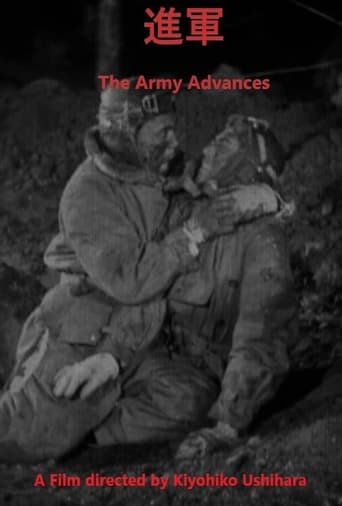
Kiyohiko Ushihara's film about a farm boy who dreams of building airplanes is a gentle, affecting work that represents the shoshimin-eiga (common people's film) tradition at its most appealing. The genre, which focused on the daily lives of ordinary middle-class and working-class Japanese families, would become one of the defining modes of Japanese cinema, reaching its apotheosis in the work of Ozu. Ushihara, who had studied filmmaking in Hollywood, brings a visual fluency influenced by American technique to material that is thoroughly Japanese in its concerns: the tension between rural tradition and modern ambition, the obligations of family, and the quiet persistence of individual aspiration.
I Was Born, But...
1932 · Yasujirō Ozu
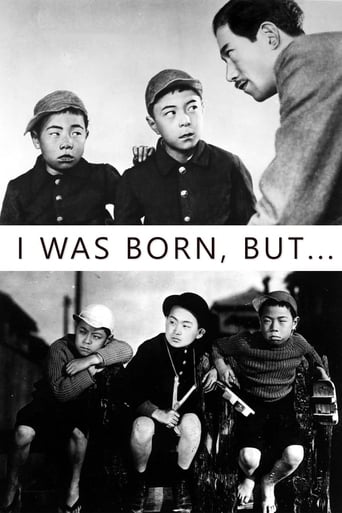
Ozu's first masterpiece, and the film that established the themes he would spend the rest of his career refining. Two young brothers discover that their father, whom they idolize, behaves obsequiously toward his boss, and their disillusionment forces the family to confront an uncomfortable truth about the relationship between dignity and economic survival. Ozu films this crisis with his characteristic precision: low camera angles, carefully composed shots of domestic interiors, and a rhythm that mirrors the tempo of daily life. The film is simultaneously a comedy about childhood rebellion and a devastating portrait of how social hierarchy infiltrates even the most intimate family relationships. Ozu was thirty when he made it.
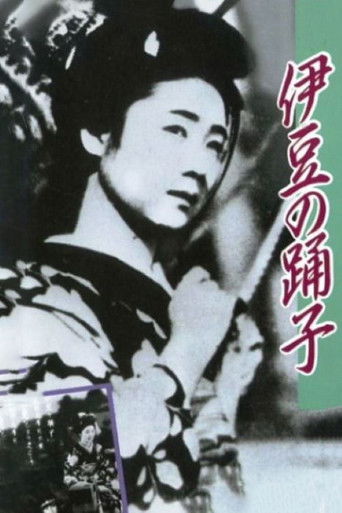
The Dancing Girl of Izu
1933 · Heinosuke Gosho
Heinosuke Gosho's adaptation of Yasunari Kawabata's short story follows a lonely student traveling through the Izu Peninsula who falls in with a troupe of itinerant entertainers and develops a tender attachment to a young dancer. The film is characteristic of a strain in Japanese cinema that values atmosphere and emotional nuance over dramatic incident. Very little happens in conventional plot terms, but Gosho's attention to landscape, weather, and the small gestures of human connection creates a mood of wistful intimacy that lingers well beyond the film's modest running time. Kawabata, who would later win the Nobel Prize in Literature, considered it a faithful rendering of his work.
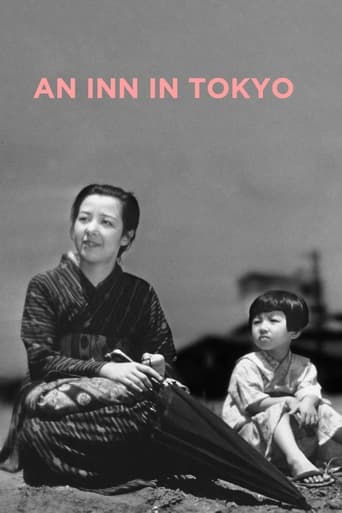
An Inn in Tokyo
1935 · Yasujirō Ozu
An unemployed man wanders the industrial flatlands of Depression-era Tokyo with his two young sons, searching for work and struggling to maintain his dignity as a father. Ozu strips his filmmaking to its essentials here: there is almost no plot, only the accumulation of small moments of hardship, tenderness, and quiet desperation. The industrial landscapes, filmed with a documentary eye, give the film a bleakness unusual in Ozu's work, and the father's helplessness in the face of his children's needs is rendered without sentimentality or false hope. An Inn in Tokyo is the most emotionally exposed of Ozu's surviving silent films, and it demonstrates that his famous restraint was not a temperamental limitation but a deliberate choice.

Tange Sazen and the Pot Worth a Million Ryo
1935 · Sadao Yamanaka
Sadao Yamanaka was twenty-six when he made this film, and he had already directed over twenty features. His version of the Tange Sazen story, a well-known jidaigeki character, completely subverts the genre's conventions. The one-eyed, one-armed swordsman is played not as a fearsome warrior but as a lazy, good-natured layabout more interested in his adopted son than in the treasure everyone else is chasing. The tone is warm, comic, and gently irreverent, and Yamanaka's direction has a lightness and a humanism that were revolutionary for the samurai genre. He was drafted into the Imperial Army in 1937 and died of dysentery in Manchuria the following year, at twenty-eight. Only three of his films survive.
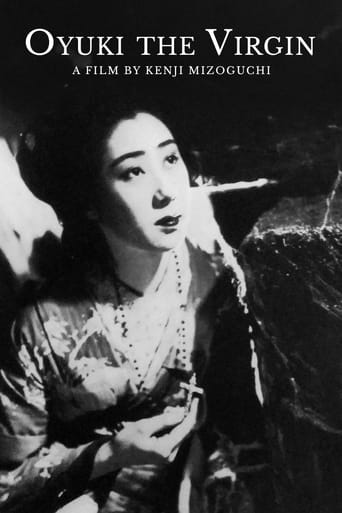
Oyuki the Virgin
1935 · Kenji Mizoguchi
Mizoguchi's adaptation of a Guy de Maupassant story, transplanted to Japan during the Satsuma Rebellion, follows two geisha fleeing their village when civil war threatens. The film shows Mizoguchi in transition between his earlier, more conventional studio work and the mature style that would emerge in Osaka Elegy the following year. His signature concern with the suffering of women at the hands of patriarchal systems is already fully present, but the visual approach is more romantic and pictorial than the stark realism he would soon adopt. Oyuki the Virgin is valuable both as a compelling film in its own right and as a document of one of cinema's greatest directors finding his voice.
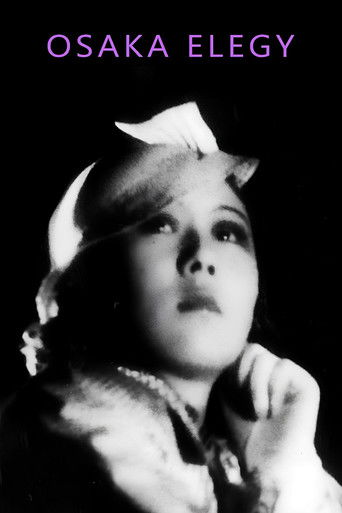
Osaka Elegy
1936 · Kenji Mizoguchi
The film that announced Mizoguchi as a major artist. Ayako, a telephone operator, becomes the mistress of her employer to pay off her father's debts, then discovers that the family she sacrificed herself for considers her a disgrace. Mizoguchi's anger at the hypocrisy of a patriarchal system that forces women into impossible positions and then punishes them for the choices it demanded is barely contained by the film's restrained surface. The final shot, in which Ayako stares directly into the camera with an expression that combines defiance and desolation, is one of the most powerful closing images in cinema. Osaka Elegy marks the beginning of Mizoguchi's great period, which would eventually produce Ugetsu, Sansho the Bailiff, and The Life of Oharu.