Osaka Elegy
浪華悲歌
1936 · 71 min · JP
Directed by Kenji Mizoguchi
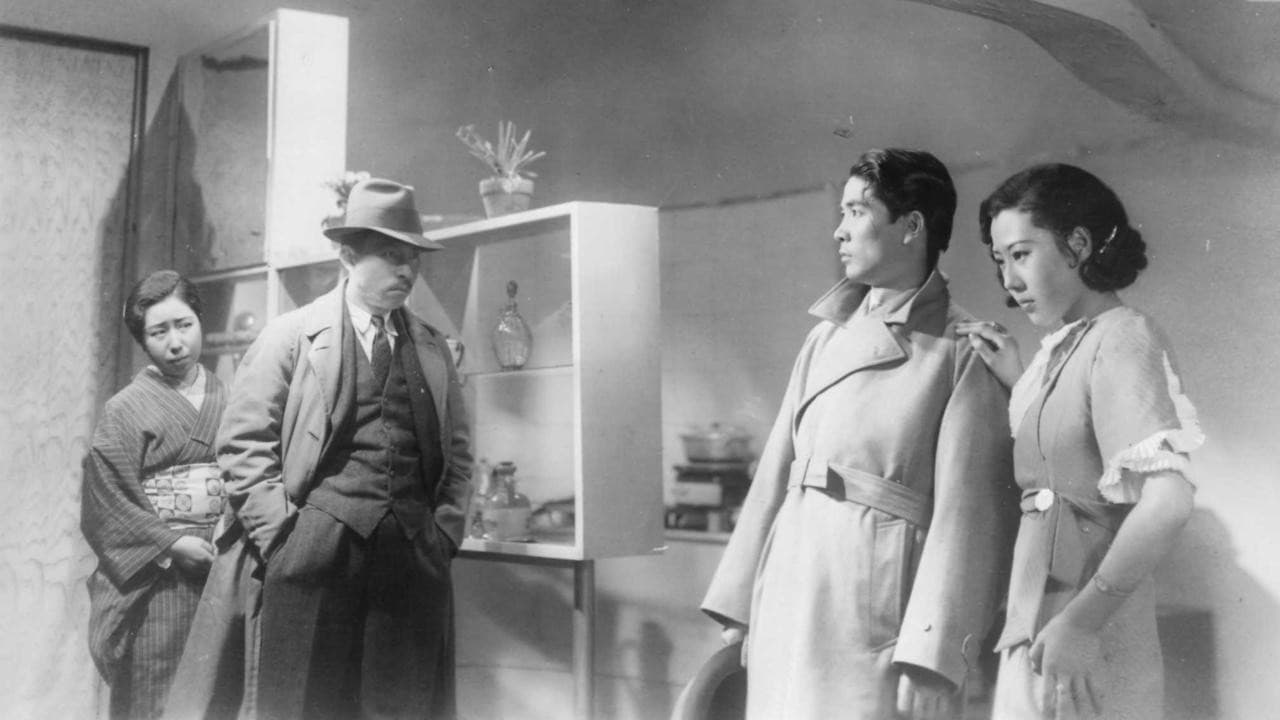
Mizoguchi, Daiichi Eiga, 1936. Ayako (Isuzu Yamada), a telephone operator in Osaka, becomes a rich man's mistress to cover her father's embezzlement, then is dropped by the family she saved. Sound, already: the office and the teahouse have voices. Often paired with Sisters of the Gion from the same year as the moment his late style locked. National Film Archive of Japan. Yamada walks the city as if the job and the arrangement were the same contract.
Watch Osaka Elegy
Public domain presentation
Public Domain Source
Wikimedia Commons · FM-54; File:Osaka Elegy (1936) by Kenji Mizoguchi.webm; 1440x1072
Available Subtitles
No subtitle tracks are currently listed.
From the Reading Room
Where to Watch
Streaming data by JustWatch
Cast
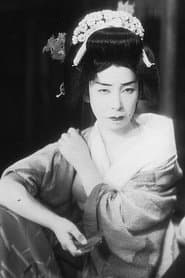
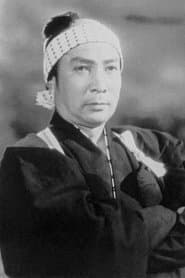
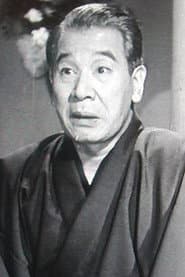
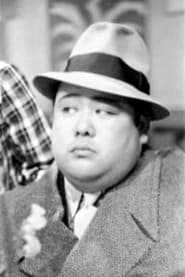
Principal players
Crew
Kenji Mizoguchi
writer
Shigeto Miki
cinematographer
Yoshikata Yoda
writer
Saburo Okada
writer
Tadashi Fujiwara
writer