An Inn in Tokyo
東京の宿
1935·80 min·JP
Director: Yasujirō Ozu
Drama
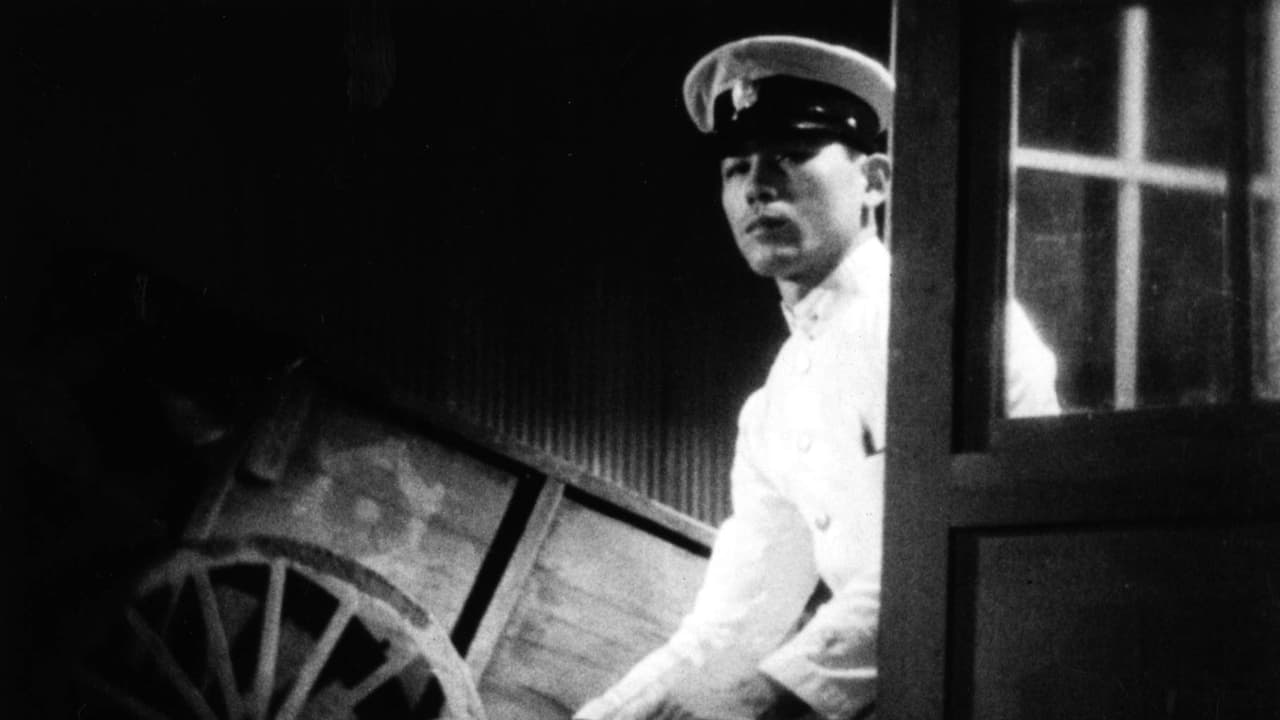
Yasujiro Ozu's deeply moving study of poverty and fatherhood — among the most quietly devastating films of his pre-war period. An unemployed man wanders the desolate industrial flatlands of Tokyo's outskirts with his two young sons, searching for work while barely able to feed them. When he encounters a woman in similar straits with her own sick child, the two form a fragile bond born of shared desperation. Ozu strips his filmmaking to its barest essentials: long static shots of empty lots, smokestacks, laundry lines, and the vast indifferent sky above the urban wasteland. The result is neo-realism avant la lettre — a decade before De Sica's Bicycle Thieves, Ozu was already finding in the daily struggle of ordinary people a beauty and tragedy that needs no embellishment. The final sequence is heartbreaking in its simplicity.
Yasujiro Ozu's deeply moving study of poverty and fatherhood — among the most quietly devastating films of his pre-war period. An unemployed man wanders the desolate industrial flatlands of Tokyo's outskirts with his two young sons, searching for work while barely able to feed them. When he encounters a woman in similar straits with her own sick child, the two form a fragile bond born of shared desperation. Ozu strips his filmmaking to its barest essentials: long static shots of empty lots, smokestacks, laundry lines, and the vast indifferent sky above the urban wasteland. The result is neo-realism avant la lettre — a decade before De Sica's Bicycle Thieves, Ozu was already finding in the daily struggle of ordinary people a beauty and tragedy that needs no embellishment. The final sequence is heartbreaking in its simplicity.
Watch
Explore Further
An Inn in Tokyo
An Inn in Tokyo – 1935, Yasujiro Ozu — Wonders in the Dark
Essay on Ozu's last silent film and its neo-realist approach to depicting urban poverty.
AN INN IN TOKYO (Yasujiro Ozu, 1935) — Dennis Grunes
Critical analysis of Ozu's transitional film blending silent melodrama with postwar formalism.
Where to Watch
Streaming data by JustWatch
Cast

Crew
Yasujirō Ozu
writer
Hideo Shigehara
cinematographer
Keizo Horiuchi
composer
Tadao Ikeda
writer
Masao Arata
writer