Souls on the Road
路上の霊魂
1921·91 min·JP
Director: Minoru Murata
Drama
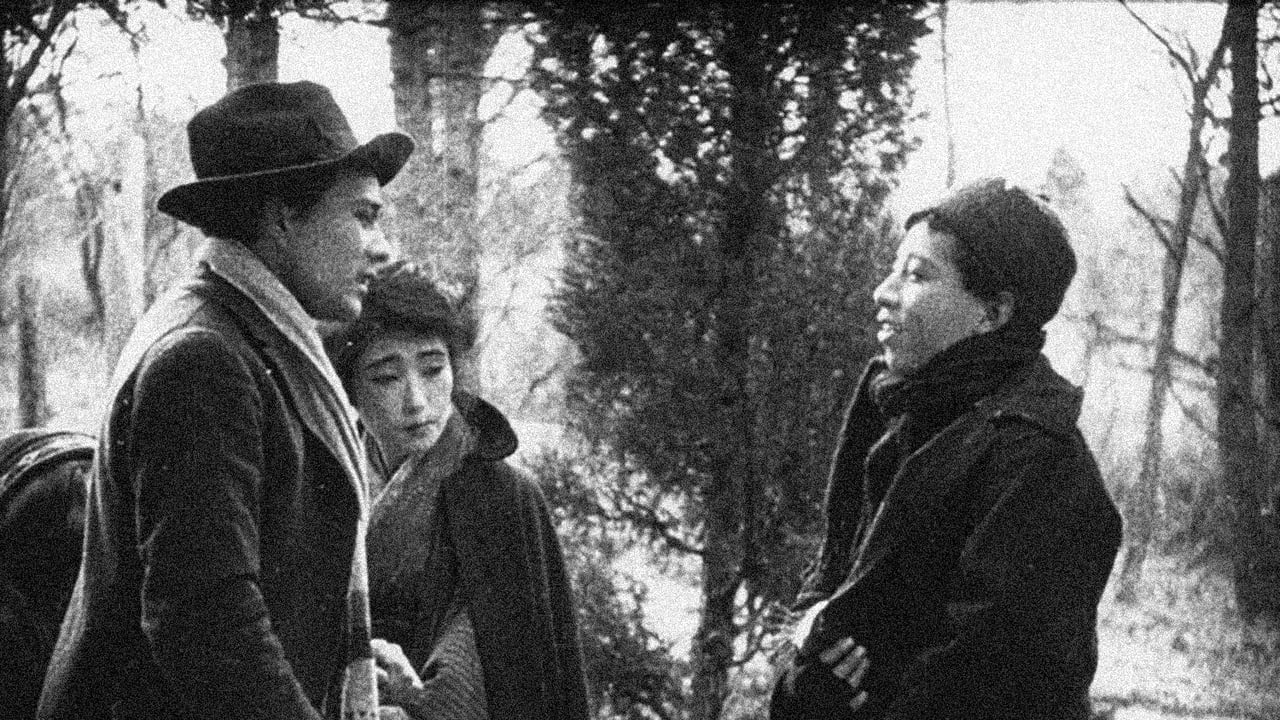
Minoru Murata's groundbreaking drama — widely considered the first truly modern Japanese film and a pivotal moment in the country's cinematic history. Two parallel stories unfold: a prodigal son returns to his father's prosperous household seeking forgiveness, while two escaped convicts wander the snowy countryside desperate and starving. Murata weaves the stories together with a sophistication in editing and visual storytelling learned from studying D.W. Griffith and the German Expressionists, and the contrast between bourgeois comfort and crushing poverty gives the film a social conscience far ahead of most Japanese cinema of the period. The film announced that Japan was ready to join the international conversation about what movies could be, and its influence on the generation of Ozu, Mizoguchi, and Kurosawa is incalculable.
Minoru Murata's groundbreaking drama — widely considered the first truly modern Japanese film and a pivotal moment in the country's cinematic history. Two parallel stories unfold: a prodigal son returns to his father's prosperous household seeking forgiveness, while two escaped convicts wander the snowy countryside desperate and starving. Murata weaves the stories together with a sophistication in editing and visual storytelling learned from studying D.W. Griffith and the German Expressionists, and the contrast between bourgeois comfort and crushing poverty gives the film a social conscience far ahead of most Japanese cinema of the period. The film announced that Japan was ready to join the international conversation about what movies could be, and its influence on the generation of Ozu, Mizoguchi, and Kurosawa is incalculable.
Watch
Cast


Crew
Kiyohiko Ushihara
writer
Bunjiro Mizutani
cinematographer