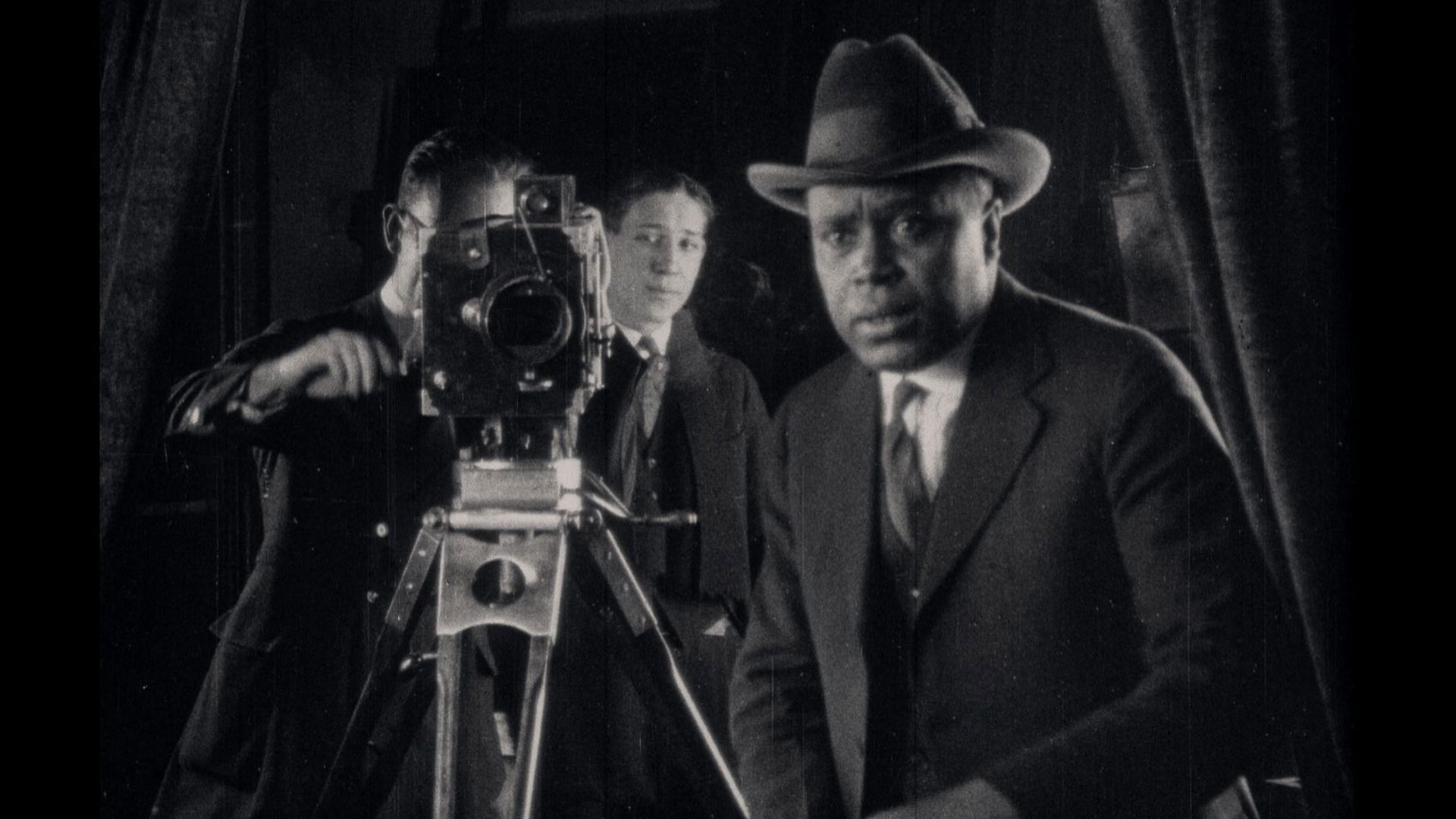
Pioneers: Oscar Micheaux
Oscar Micheaux was the most prolific Black filmmaker in American history, and one of the most remarkable self-inventors the film industry has ever produced. The son of former slaves, he worked as a Pullman porter, homesteaded 500 acres in South Dakota, and published a series of semi-autobiographical novels before turning to filmmaking in 1919 because Hollywood wouldn’t make his stories, so he made them himself. Over the next three decades he wrote, produced, directed, and personally distributed more than forty films to the segregated theaters of the “race circuit,” becoming the only Black filmmaker to survive the transition from silents to sound. His films were made under conditions of radical constraint - underfunded, shot fast, technically rough and they addressed subjects Hollywood refused to touch: lynching, racial passing, intermarriage, the violence of white supremacy, and the full complexity of Black American life at a time when the dominant cinema offered only caricature and contempt. Two-thirds of his work is lost. What survives is essential.
9 films
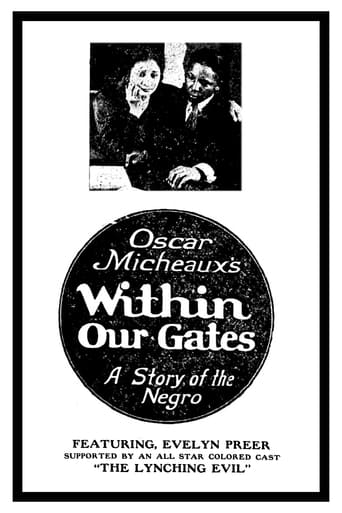
Within Our Gates
1920 · Oscar Micheaux
This is where it starts — and it starts with a fight. Micheaux’s second film (and the earliest surviving feature by any African American director) is a direct, deliberate answer to The Birth of a Nation, made five years after Griffith’s white supremacist epic had poisoned the culture and revived the Klan. Micheaux uses Griffith’s own editorial language against him: the same intercutting, the same melodramatic structure, but with a lynching told from the victim’s perspective and a rape scene that inverts Griffith’s central lie. Censors in Chicago demanded cuts. Cities across the South banned it outright. Watch it and you’ll understand exactly why.
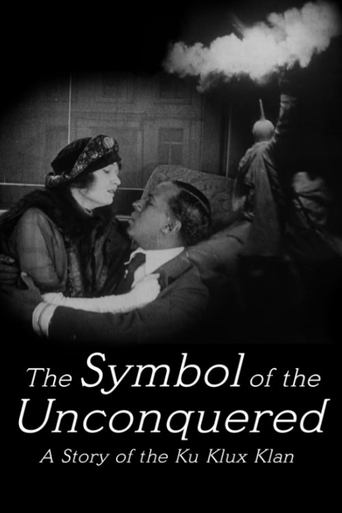
The Symbol of the Unconquered
1920 · Oscar Micheaux
Micheaux wasn’t done with Griffith. Released the same year as Within Our Gates, this one goes after the Klan directly, here rechristened the “Knights of the Black Cross,” likely to avoid a lawsuit, and depicts them not as noble defenders of order but as property thieves and terrorists. The film’s central question is about racial identity rather than racial violence: a white-passing Black woman and a Black prospector circle each other, each hiding who they are, while a self-hating villain proves that internalized racism is its own kind of destruction. Much of the climactic sequence is lost, which tells you something about how well the film has been treated by history.
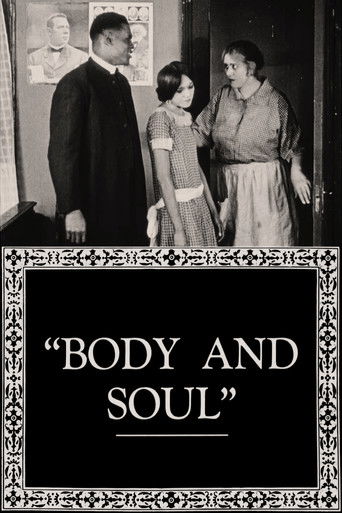
Body and Soul
1925 · Oscar Micheaux
The one that gets taught in courses, and for good reason. Micheaux cast Paul Robeson, then famous as a stage actor, not yet the towering cultural figure he would become — in his film debut, playing twin brothers: one a conniving convict impersonating a preacher, the other a gentle inventor. The church had been a target of Micheaux’s skepticism since Within Our Gates, and here he goes after it with everything he has. New York censors gutted the film by nearly half before allowing it to be shown, which means what survives is already a compromise. Even so, Robeson’s physical presence commands every frame he occupies, and this is the only film he ever made with a Black director.
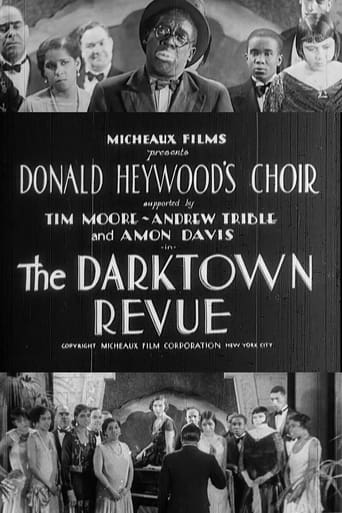
The Darktown Revue
1931 · Oscar Micheaux
An 18-minute short, and a genuinely strange one. Micheaux made it as a companion piece to The Exile, his first sound feature, and it is essentially a filmed vaudeville show: choral numbers, a comedy duo, and a mock sermon performed in blackface by Amon Davis. The discomfort is intentional, or at least complicated — Micheaux is reclaiming minstrelsy for Black audiences rather than disowning it, while still finding room to lampoon a charismatic preacher. Think of it less as a film and more as a document: here is what Black popular entertainment looked like in 1931, recorded by a Black filmmaker for a Black audience, with all the contradictions that entails.
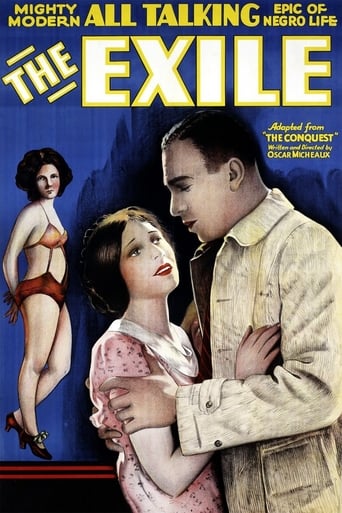
The Exile
1931 · Oscar Micheaux
The history here matters enormously: this is the earliest surviving sound feature made by an African American filmmaker, and Micheaux produced it the same year Hollywood was still figuring out how to shoot a dialogue scene without nailing the camera to the floor. The results are rough: stiff performances, long static takes, the awkwardness of a director who had mastered the silent form now starting over from scratch. But the story is his most personal: an autobiographical account of a Black man who homesteads in South Dakota (as Micheaux himself did), falls in love across the color line, and can’t make it work. The technical clumsiness is part of the record. So is the courage.
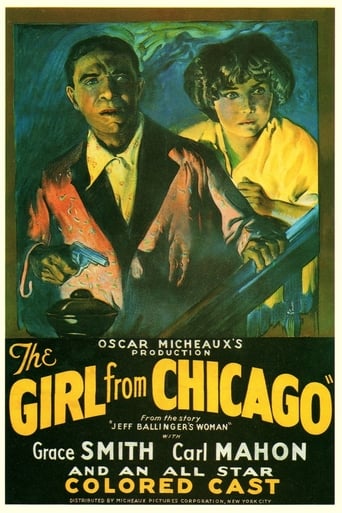
The Girl from Chicago
1932 · Oscar Micheaux
A gangster picture, more or less, and evidence that Micheaux understood exactly what his audience wanted and knew how to deliver it. A remake of his own lost 1926 silent The Spider’s Web, the film follows a government agent tangled up in the Harlem underworld, punctuated by the musical numbers that had become a Micheaux signature in the sound era. If the earlier films were arguments, this is entertainment — Micheaux meeting the genre conventions of the moment while keeping the camera pointed at Black life in a way Hollywood simply wouldn’t.
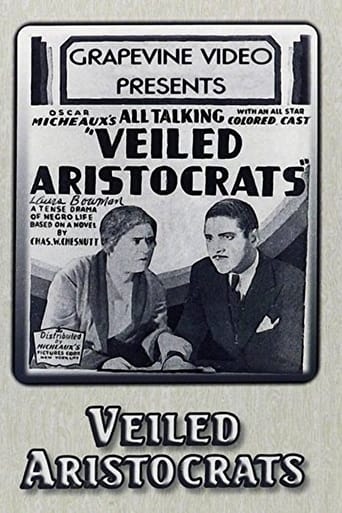
Veiled Aristocrats
1932 · Oscar Micheaux
This one caused real controversy within Black communities at the time, and it’s still uncomfortable. A light-skinned Black lawyer comes home to find his sister about to marry a dark-skinned man, and he objects — not to intermarriage, but to the color of her husband’s skin. Adapted from Charles Chesnutt’s novel and starring Lorenzo Tucker (marketed by Micheaux as the “Black Valentino”), it’s a film about the racism within the race, about the color hierarchies that the Black press and Black audiences argued over fiercely. Micheaux had opinions, and he wasn’t always going to tell you what you wanted to hear.
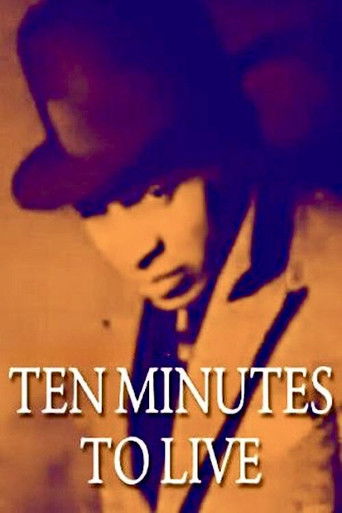
Ten Minutes to Live
1932 · Oscar Micheaux
The most formally adventurous of Micheaux’s sound films: a proto-noir mystery set in a Harlem cabaret, constructed around a woman who receives a note telling her she has ten minutes to live. The nightclub setting gives Micheaux room to stage the musical numbers he had become known for, but the thriller structure is tighter than anything he had tried in sound, and the film was assembled from his own unpublished short stories. It’s the best argument for what Micheaux might have done with better resources — and the film most likely to reward a viewer coming to him for the first time.
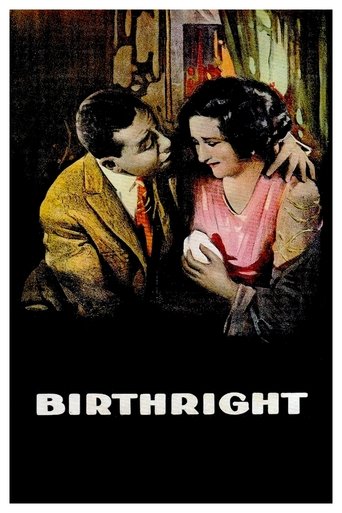
Birthright
1938 · Oscar Micheaux
By the late 1930s, sound technology had finally caught up to what Micheaux needed it to do, and Birthright — a remake of his own lost 1924 silent — shows it. A Harvard-educated Black man returns to the Jim Crow South to build a school and collides with a white power structure determined to keep things exactly as they are. The awkwardness of his early talkies is mostly gone, replaced by something quieter and more controlled. It’s not the film that defines Micheaux’s career, but it’s the one that shows what that career looked like when it had almost run its course: still angry, still uncompromising, still making movies nobody else would make.