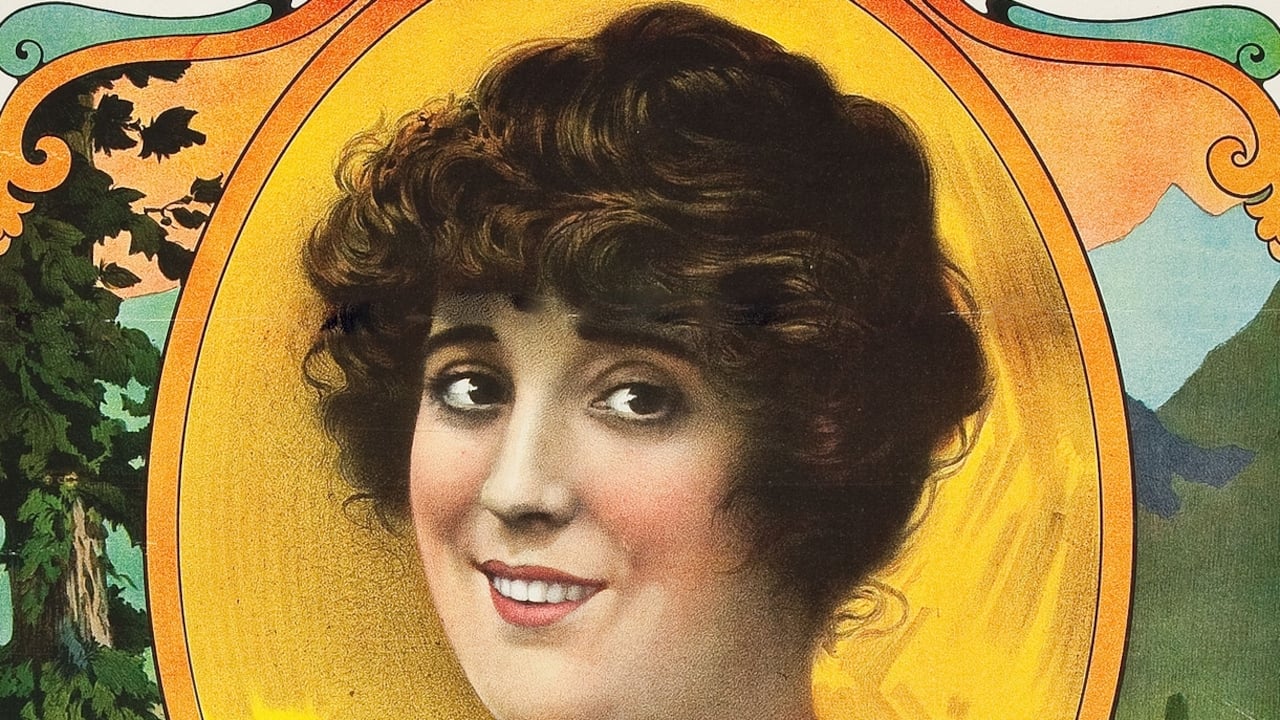
Spotlight: Mabel Normand
Mabel Normand was the first great female comedy star in American cinema, and one of the most talented people to work in the early film industry. She was a performer, writer, director, and producer at Mack Sennett's Keystone Studios, where she helped invent the slapstick comedy form and mentored a young Charlie Chaplin during his first months on screen. She threw the first pie in a motion picture. She directed some of Chaplin's earliest films. She was, by virtually every contemporary account, the funniest woman in America. Her partnership with Roscoe “Fatty” Arbuckle produced some of the best short comedies of the 1910s, built on genuine chemistry and physical fearlessness. Her feature-length vehicle Mickey, delayed for two years by studio politics, became one of the biggest hits of 1918 and proved she could carry a picture on her own. She was athletic, inventive, and willing to take any fall, and she combined physical comedy skill with a warmth and naturalism that set her apart from the broader mugging typical of the period. Normand's career was derailed not by lack of talent but by scandal and illness. She was tangentially connected to the unsolved murder of director William Desmond Taylor in 1922, and the resulting tabloid coverage destroyed her reputation despite her having nothing to do with the crime. Tuberculosis further limited her work, and she died in 1930 at thirty-seven. The films collected here capture what was lost: a comic talent of the first order, working at the dawn of an art form she helped define.
10 films
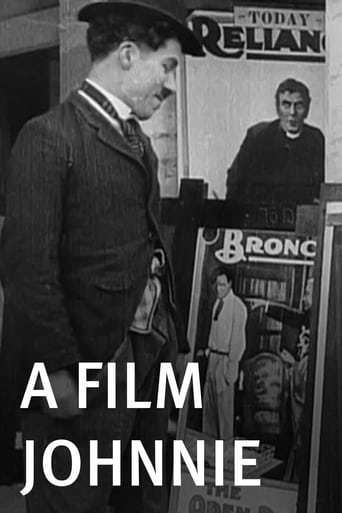
A Film Johnnie
1914 · George Nichols
This Keystone short features Chaplin as a movie-obsessed fan who wanders onto a film set and causes chaos. Normand plays herself — a Keystone film star — and the interplay between her assured professionalism and Chaplin's anarchic newcomer energy is both comic and revealing. Normand was already a seasoned performer and an uncredited director at Keystone when Chaplin arrived in early 1914, and she was instrumental in helping him develop his screen persona. A Film Johnnie captures that dynamic: Normand is the established talent, Chaplin the brilliant disruptor, and their chemistry on screen reflects a genuine creative partnership that was shaping the future of screen comedy.
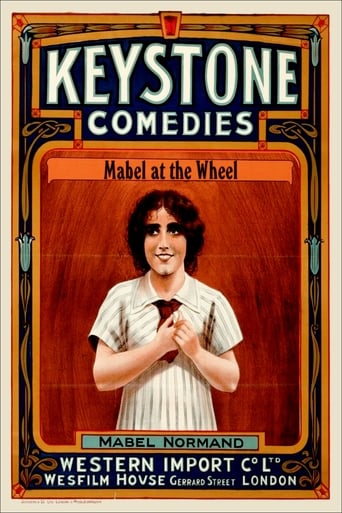
Mabel at the Wheel
1914 · Mack Sennett, Mabel Normand
Normand directed this two-reel Keystone comedy herself, and the plot makes her argument plainly: when Chaplin — playing a caddish villain rather than the Tramp — kidnaps her racing-driver boyfriend on the day of his big race, she pulls on his racing clothes and takes the wheel herself. The race footage, shot at the real 1914 Vanderbilt Cup in Santa Monica, gives the film a kinetic charge that most Keystone shorts never approached, and Normand’s driving is physically committed and entirely fearless. The behind-the-scenes story has become more famous than the film. Chaplin refused to take direction from Normand. She was younger than him, she was a woman, and he couldn’t bear it, and the production nearly collapsed into a firing. Sennett stepped in, the partnership survived, and Chaplin eventually came around. But the film already had its answer: at this moment in 1914, Normand was not an obstacle to Chaplin’s genius. She was ahead of it.
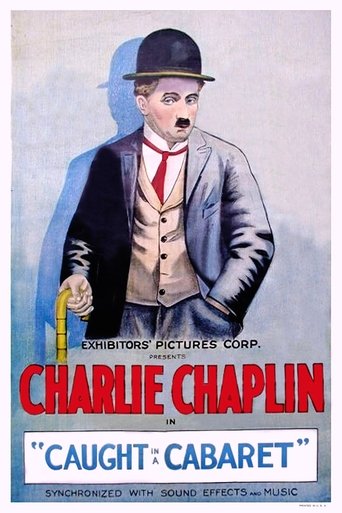
Caught in a Cabaret
1914 · Mabel Normand
Normand and Chaplin co-directed this short in which Chaplin plays a con man who impersonates a nobleman to gain entry to high society, with Normand as the woman he is trying to impress. The film is a showcase for both performers' physical comedy skills, but Normand is the more disciplined of the two, grounding Chaplin's increasingly wild improvisations with a naturalism that keeps the comedy from flying apart entirely. She was twenty years old and already one of the most experienced comedians in the film industry, and her ease on screen makes Chaplin's more effortful mugging look exactly as calculated as it was.
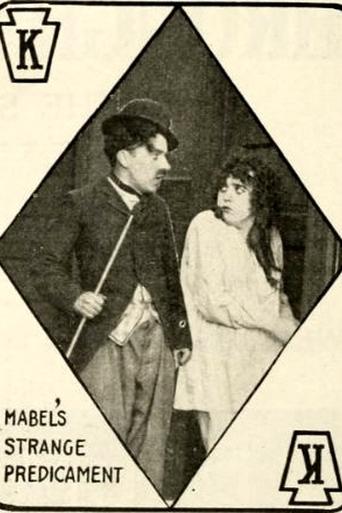
Mabel's Strange Predicament
1914 · Mabel Normand
Normand plays a woman at a hotel whose encounter with a disheveled stranger — Chaplin's Tramp character in one of his earliest appearances — sets off a chain of slapstick mishaps. The film is historically significant as one of the first appearances of the Tramp's iconic costume, which Chaplin reportedly assembled from other actors' wardrobe items before shooting. Normand holds her own as the comic foil, and the physical interplay between them demonstrates her fearlessness and timing. She could take a fall as well as any man at Keystone, and she did it with a naturalness that made the violence feel playful rather than brutal.
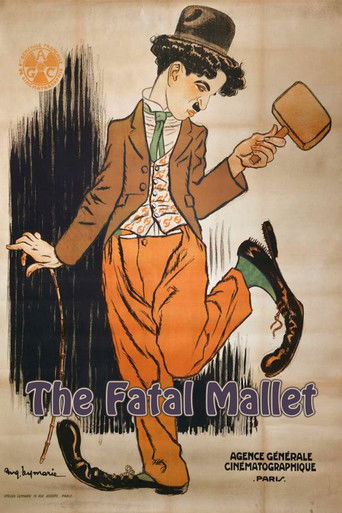
The Fatal Mallet
1914 · Mack Sennett
This Keystone short is pure slapstick: Normand, Chaplin, and Mack Sennett compete for the same woman's attention, and the argument is settled with a large mallet. The film is crude even by Keystone standards, but it illustrates the physical comedy environment in which Normand thrived. She was not a delicate performer waiting on the sidelines — she was in the middle of the action, absorbing hits and delivering them, matching Chaplin and Sennett blow for blow. The Fatal Mallet is minor work, but it documents the rough, improvisational energy of the Keystone lot and Normand's central place in it.
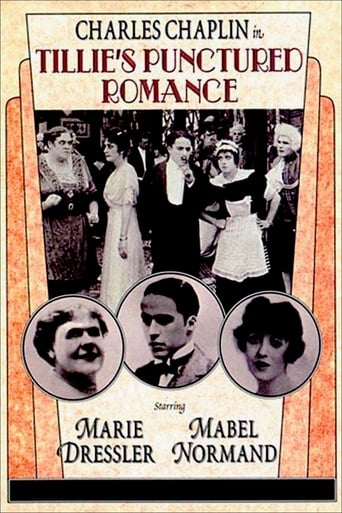
Tillie's Punctured Romance
1914 · Mack Sennett
The first feature-length comedy in American cinema, and Normand is its most valuable player. Marie Dressler received top billing, and Chaplin was the rising star, but Normand is the one who holds the sprawling, chaotic film together. She plays the young woman caught between Chaplin's fortune-hunting Tramp and Mack Swain's wealthy suitor, and she brings a warmth and comic intelligence to the role that neither of her co-stars matches. The film's ambition — six reels of sustained comedy at a time when most comedies ran one or two — was unprecedented, and its success proved that audiences would sit through a feature-length comedy if the performers were good enough. Normand was.
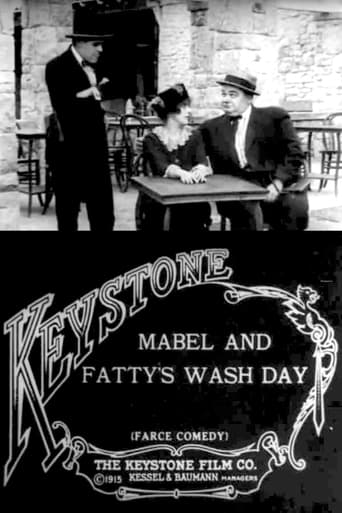
Mabel and Fatty's Wash Day
1915 · Roscoe Arbuckle
Normand's partnership with Roscoe Arbuckle produced some of the best short comedies of the 1910s, and this domestic farce is a fine example. The premise is simple — wash day goes wrong in every conceivable way — but Normand and Arbuckle execute the gags with a precision and genuine affection that elevates the material. Their chemistry was different from what Normand had with Chaplin: warmer, less competitive, built on mutual generosity rather than one-upmanship. Arbuckle was a gifted physical comedian in his own right, and Normand matched him move for move while adding a naturalistic charm that was entirely her own.
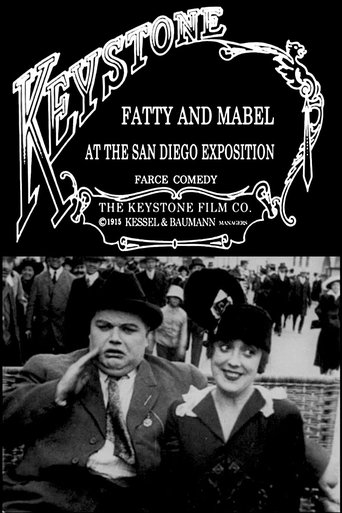
Fatty and Mabel at the San Diego Exposition
1915 · Roscoe Arbuckle
Normand and Arbuckle take their comedy to the 1915 Panama-California Exposition in San Diego, using the real fairgrounds as a backdrop for their slapstick routines. The film has a loose, improvisational quality — much of it appears to have been shot on the fly amid actual exposition visitors — and it captures Normand in a relaxed, playful mode. She and Arbuckle wander through the crowds, ride the attractions, and generate comedy from their interactions with real people and real settings. It is a small film, but it preserves something precious: the spontaneous comic energy of two great performers at ease with each other and with the world.
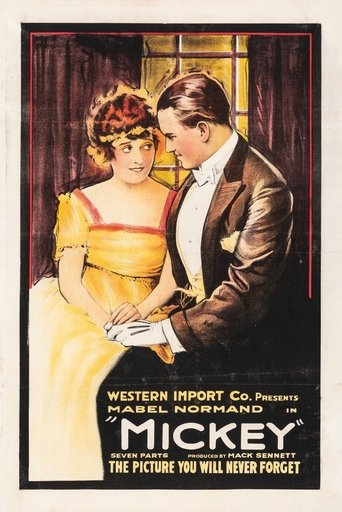
Mickey
1918 · F. Richard Jones, James Young
Mickey was the film that proved Normand could carry a feature on her own, and the story of its production is nearly as dramatic as the film itself. Shot in 1916, it was shelved for two years by Mack Sennett's distributor, who doubted its commercial prospects. When it was finally released in 1918, it became one of the biggest hits of the year. Normand plays a tomboy raised in the mountains who inherits a fortune and must navigate high society. She is magnetic — athletic, funny, emotionally open — and she handles both the physical comedy and the romantic drama with equal assurance. Mickey made Normand a headlining star and demonstrated that her appeal extended far beyond the short-comedy format that had made her famous.
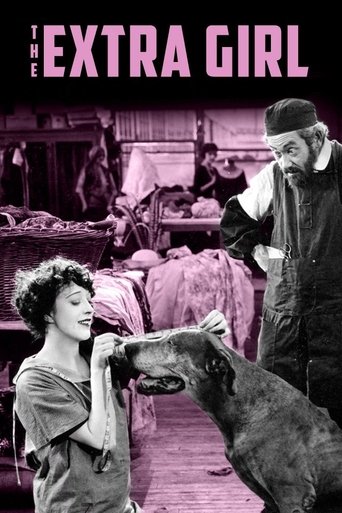
The Extra Girl
1923 · F. Richard Jones
Normand's last significant film is a comedy about a small-town girl who goes to Hollywood to become a movie star. The premise has an unavoidable poignancy given what happened to Normand's own career: by 1923 the William Desmond Taylor scandal had effectively ended her time as a major star, and The Extra Girl plays like a valediction she didn't know she was giving. Her performance is wonderful — inventive, physically daring, full of the warmth and comic timing that made her great — and a sequence involving an escaped lion remains one of the most hair-raising stunts of the silent era. The film was not a commercial success, and Normand made only a handful of short comedies afterward before tuberculosis ended her career entirely.