Un Chien Andalou
Un chien andalou
1929·17 min·FR
Director: Luis Buñuel
Horror
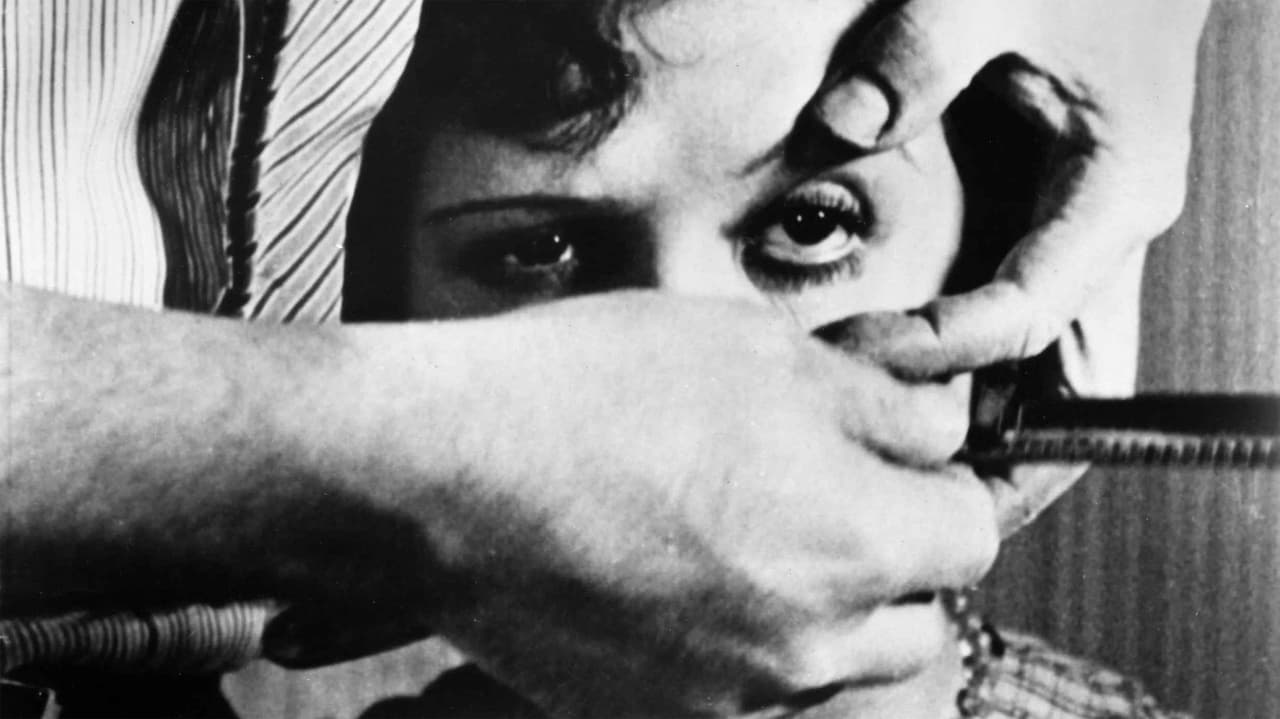
The most famous sixteen minutes in the history of avant-garde cinema — and still the most jolting. Luis Buñuel and Salvador Dalí's Surrealist provocation opens with an image so shocking that audiences have been gasping at it for nearly a century: a razor slicing an eyeball (actually a dead calf's eye, but you'd never know). From there, the film abandons logic entirely for a stream of dream images — ants crawling from a palm, a man dragging two grand pianos loaded with dead donkeys, a severed hand poked with a stick in the street — assembled according to a single rule: any image that could be rationally explained was thrown out. The result is cinema's purest expression of the Surrealist method, and it works: the images bypass your rational mind and connect directly to something deeper, stranger, and more disturbing. A landmark that changed what film could be.
The most famous sixteen minutes in the history of avant-garde cinema — and still the most jolting. Luis Buñuel and Salvador Dalí's Surrealist provocation opens with an image so shocking that audiences have been gasping at it for nearly a century: a razor slicing an eyeball (actually a dead calf's eye, but you'd never know). From there, the film abandons logic entirely for a stream of dream images — ants crawling from a palm, a man dragging two grand pianos loaded with dead donkeys, a severed hand poked with a stick in the street — assembled according to a single rule: any image that could be rationally explained was thrown out. The result is cinema's purest expression of the Surrealist method, and it works: the images bypass your rational mind and connect directly to something deeper, stranger, and more disturbing. A landmark that changed what film could be.
Watch
Explore Further
The Short Surrealist Film That Revolutionized Cinema: Luis Buñuel & Salvador Dalí's Un Chien Andalou (1929) — Open Culture
Essay on this landmark surrealist film and its impact on the Surrealist movement in 1929 Paris.
Focus on... An Andalusian Dog, by Luis Buñuel — Centre Pompidou
Essay on Buñuel and Dalí's surrealist masterpiece and its revolutionary impact on cinema.
Un Chien Andalou movie review — Roger Ebert Great Movies
Ebert's analysis of this surrealist short and its disturbing dream logic and iconic imagery.
Where to Watch
Streaming data by JustWatch
Cast
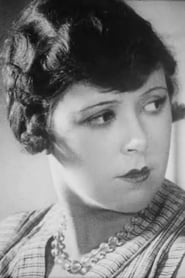
Simone Mareuil
Young Girl
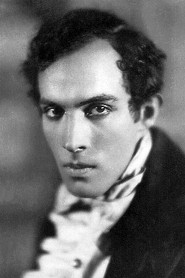
Pierre Batcheff
Man

Luis Buñuel
Man in Prologue (uncredited)
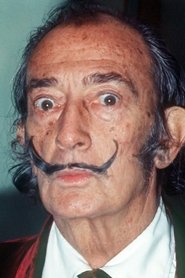
Salvador Dalí
Seminarist (uncredited)
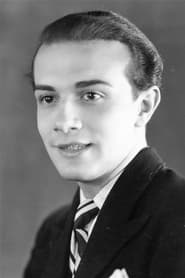
Robert Hommet
Young Man (uncredited)
M
Marval
Seminarist (uncredited)

Fano Messan
Hermaphrodite (uncredited)
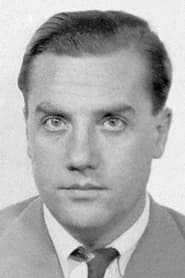
Jaume Miravitlles
Fat Seminarist (uncredited)
P
Pancho Cossío
Stroller (uncredited)
J
Juan Esplandiu
Stroller (uncredited)