The Fall of the House of Usher
La Chute de la maison Usher
1928·63 min·FR
Director: Jean Epstein
Horror
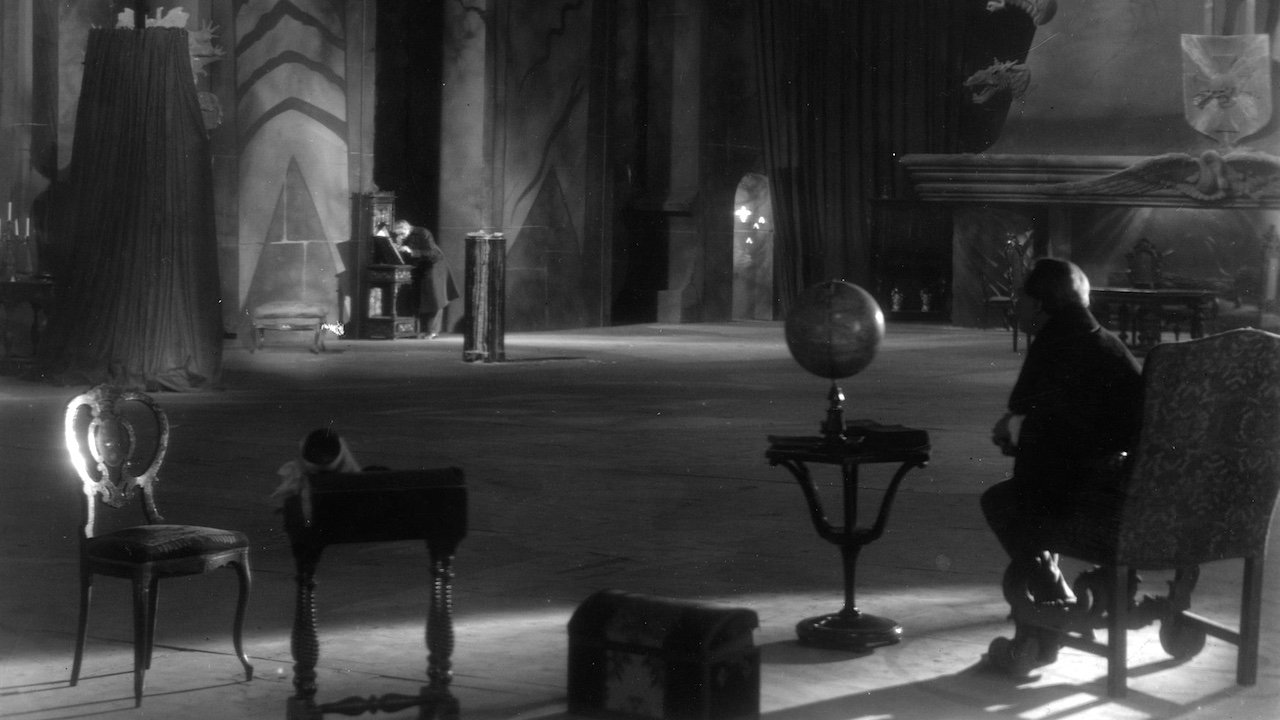
Jean Epstein's hypnotic adaptation of Edgar Allan Poe's tale — one of the most atmospheric and visually extraordinary films of the French avant-garde. Roderick Usher, convinced his family is cursed, obsessively paints his wife Madeline's portrait, and as the painting comes alive, she wastes away, apparently dying — only to return from the grave in a climax of gothic terror. Epstein uses slow motion, superimposition, floating curtains, and swirling mist to create a waking dreamscape where every surface breathes with dread. The film moves with the logic of a nightmare — slow, inevitable, suffocating — and its visual beauty is inseparable from its horror. Luis Buñuel, who worked as assistant director, called the experience formative. At barely an hour, it's a concentrated dose of pure cinematic atmosphere.
Jean Epstein's hypnotic adaptation of Edgar Allan Poe's tale — one of the most atmospheric and visually extraordinary films of the French avant-garde. Roderick Usher, convinced his family is cursed, obsessively paints his wife Madeline's portrait, and as the painting comes alive, she wastes away, apparently dying — only to return from the grave in a climax of gothic terror. Epstein uses slow motion, superimposition, floating curtains, and swirling mist to create a waking dreamscape where every surface breathes with dread. The film moves with the logic of a nightmare — slow, inevitable, suffocating — and its visual beauty is inseparable from its horror. Luis Buñuel, who worked as assistant director, called the experience formative. At barely an hour, it's a concentrated dose of pure cinematic atmosphere.
Watch
Explore Further
Where to Watch
Streaming data by JustWatch