Brigitte Helm
1906 – 1996·Berlin, Germany
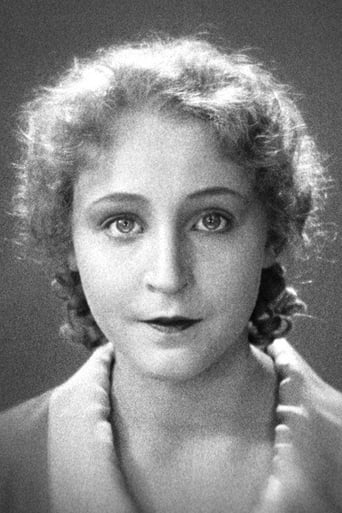
No face is more closely associated with the grandeur of Weimar Cinema than that of Brigitte Helm. Silent London Born in Berlin in 1908, she came to the screen with no prior film experience, landing her first role - the dual part of the saintly worker-saint Maria and her sinister robot double - in Fritz Lang's Metropolis (1927) at just seventeen years old, after signing a ten-year contract with UFA. Her ability to portray both the innocent Maria and her seductive, mechanized doppelganger demonstrated a range that belied her inexperience, and the iconic scene of the robot coming to life, with Helm's expressive eyes peering through the metallic mask, remains one of the most memorable images in silent cinema.
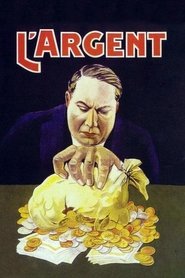
Following that explosive debut, she had a particularly spectacular run in 1929, appearing in some of Europe's finest late-silent films, including her role as the glamorous, scheming Baronne Sandorf in Marcel L'Herbier's ambitious Zola adaptation L'Argent, and a tragic turn in The Wonderful Lies of Nina Petrovna directed by Hanns Schwarz.
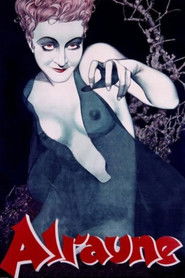
Her screen presence hovered somewhere between "virginal" and "vamp," though she was usually typecast as the latter - her smooth, almost feline face simultaneously beautiful and strange - and German directors competed fiercely to cast her in lead roles. Helm starred in over 30 films across a decade, but being typecast as the alluring temptress became a burden she struggled to bear; she sued UFA for the limiting roles and lost, leaving her little choice but to continue playing these parts to cover her legal bills.
She retired from film in 1935, citing her disgust with the Nazi takeover of the German film industry, and spent the rest of her long life in Switzerland, refusing all interviews about her career until her death in 1996.