From Morning to Midnight
Von morgens bis mitternachts
1920 · 72 min · DE
Directed by Karlheinz Martin
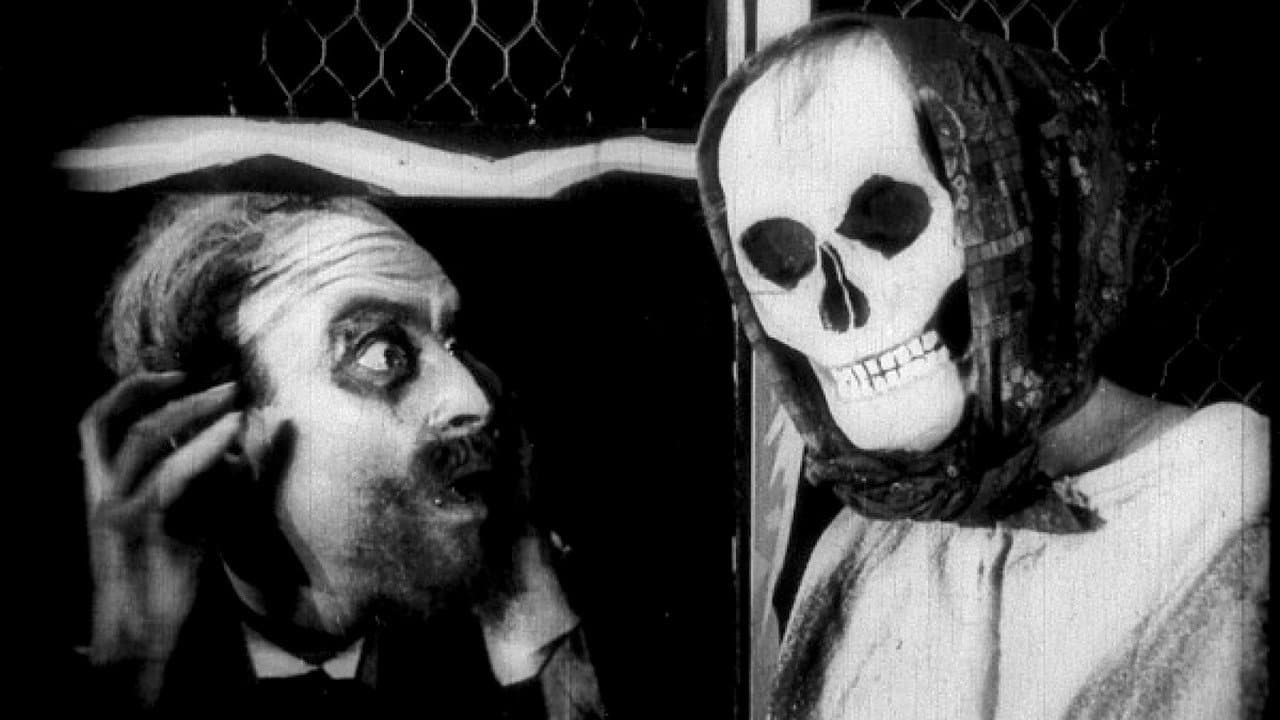
Karl Heinz Martin filmed Georg Kaiser's 1912 station drama in 1920 and could not find a German distributor. A bank cashier (Ernst Deutsch) sees a woman, steals a pile of cash, and spends one day trying to buy a life. The sets are black flats and chalk lines: a velodrome, a restaurant, a Salvation Army hall, each one more like a diagram than a room. A press screening in Munich, then a public opening in Tokyo in December 1922. The print that survived is the Japanese one. Filmmuseum München put it back together.
Watch From Morning to Midnight
Public domain presentation
Public Domain Source
Wikimedia Commons · FM-54; File:Von morgens bis mitternachts (1920).webm; 1444x1080
Available Subtitles
No subtitle tracks are currently listed.