The General Line
Старое и новое
1929·SU
Drama
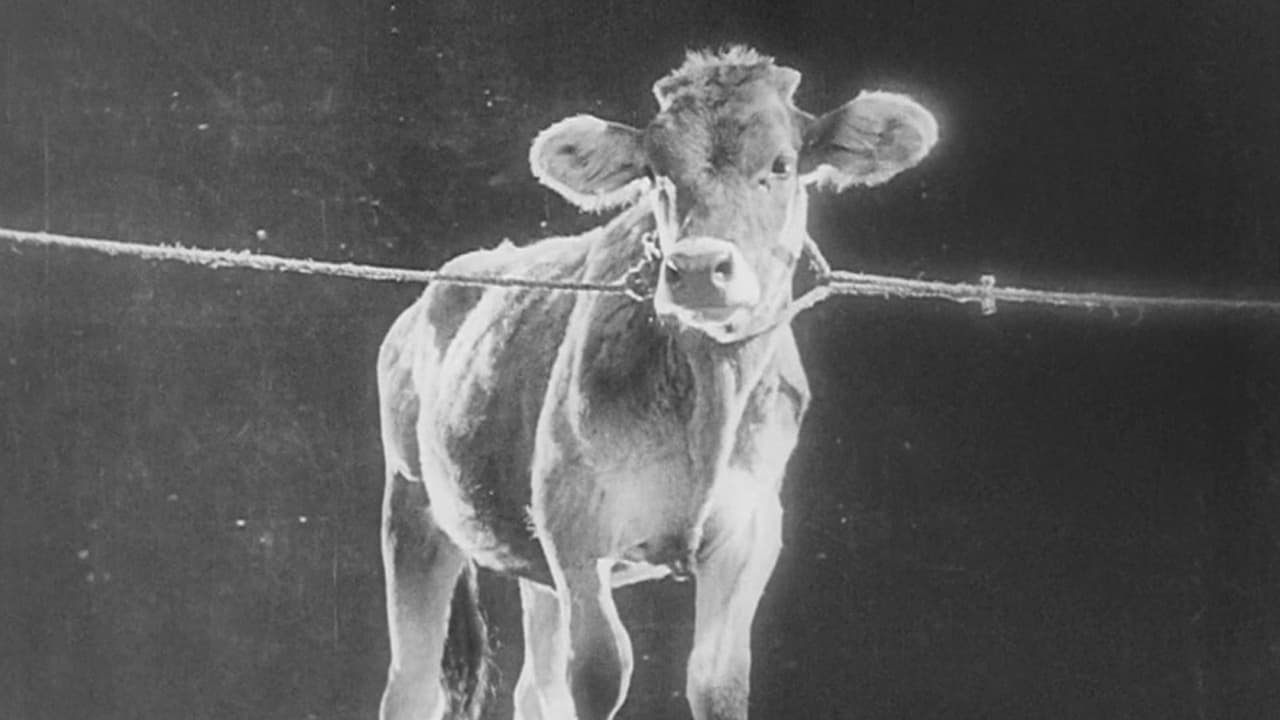
Eisenstein's most troubled production — begun in 1926, shelved, reworked, and finally released in 1929 as The Old and the New — is also his most personal and, in its best passages, his most visually extraordinary. The film follows Marfa, a peasant woman, as she struggles to organize a collective farm and drag her village from medieval poverty into the modern age. The centerpiece is a justly famous sequence in which a cream separator is tested for the first time: Eisenstein edits the mundane event into a crescendo of almost erotic ecstasy, milk spurting in ecstatic slow motion, faces contorted in rapture. The political content is nakedly propagandistic, but Eisenstein's formal invention is so dazzling — and his love for the Russian landscape so palpable — that the film transcends its ideological mission.
Eisenstein's most troubled production — begun in 1926, shelved, reworked, and finally released in 1929 as The Old and the New — is also his most personal and, in its best passages, his most visually extraordinary. The film follows Marfa, a peasant woman, as she struggles to organize a collective farm and drag her village from medieval poverty into the modern age. The centerpiece is a justly famous sequence in which a cream separator is tested for the first time: Eisenstein edits the mundane event into a crescendo of almost erotic ecstasy, milk spurting in ecstatic slow motion, faces contorted in rapture. The political content is nakedly propagandistic, but Eisenstein's formal invention is so dazzling — and his love for the Russian landscape so palpable — that the film transcends its ideological mission.
Watch
Where to Watch
Streaming data by JustWatch
Cast
M
Marfa Lapkina
Marfa
M
M. Ivanin
Marfa's son
K
Konstantin Vasilyev
Tractor Driver
V
Vasili Buzenkov
Secretary of the milk cooperative
N
Nezhnikov
Miroshkin - Schoolmaster
C
Chukamaryev
The butcher
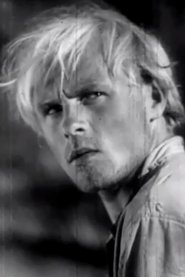
Ivan Yudin
Komsomolets
E
E. Suhareva
Witch
G
G. Matvei
Priest
L
Lev Ivanov
Student (uncredited)
M
Mikhail Gomorov
V
Vyacheslav Gomolyaka
Crew
Grigori Aleksandrov
writer
Eduard Tisse
cinematographer