Loading
Les deux orphelines
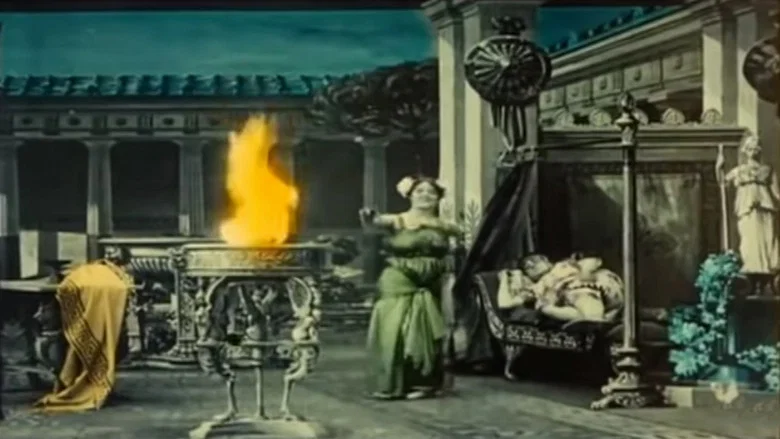
1753, twenty tableaux, the short condenses Henriette's abduction and Louise's fall into the hands of the beggar-woman La Frochard into the pictorial grammar of the film d'art: painted décors, theatrical blocking, and the moral clarity of the boulevard stage.
Silent
Your rating
Overview
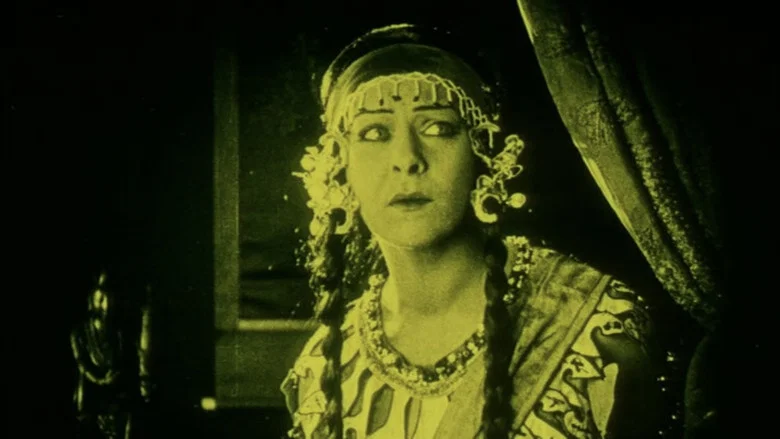
Adolphe d'Ennery and Eugène Cormon's 1874 stage melodrama (two orphaned sisters, one of them blind, torn apart in the Paris of the 1780s) was already a global property when Albert Capellani filmed it for SCAGL-Pathé. Released in January 1910 as Pathé no. 1753, twenty tableaux, the short condenses Henriette's abduction and Louise's fall into the hands of the beggar-woman La Frochard into the pictorial grammar of the film d'art: painted décors, theatrical blocking, and the moral clarity of the boulevard stage. Griffith would take the same play to feature length as Orphans of the Storm in 1921; Capellani's version is the earlier French claim on the material, made at the moment Pathé was teaching audiences that a famous title could be a reason to buy a ticket.