The Golem: How He Came Into the World
Der Golem, wie er in die Welt kam
1920·85 min·DE
FantasyHorror
Paul Wegener's definitive retelling of the Jewish legend of the Golem is one of the great achievements of German Expressionism — and a direct ancestor of every Frankenstein film that followed. In 16th-century Prague, Rabbi Loew shapes a giant figure from clay and uses kabbalistic magic to bring it to life, hoping to protect the Jewish community from imperial persecution. But the creature, once animated, develops a will of its own. The towering sets — all leaning walls and impossible angles — create a Prague that feels like it exists outside of time. The Golem's rampage through the ghetto gates remains one of silent cinema's most powerful images: a protector becoming the very thing it was built to prevent.
Paul Wegener's definitive retelling of the Jewish legend of the Golem is one of the great achievements of German Expressionism — and a direct ancestor of every Frankenstein film that followed. In 16th-century Prague, Rabbi Loew shapes a giant figure from clay and uses kabbalistic magic to bring it to life, hoping to protect the Jewish community from imperial persecution. But the creature, once animated, develops a will of its own. The towering sets — all leaning walls and impossible angles — create a Prague that feels like it exists outside of time. The Golem's rampage through the ghetto gates remains one of silent cinema's most powerful images: a protector becoming the very thing it was built to prevent.
Watch
Where to Watch
Streaming data by JustWatch
Cast
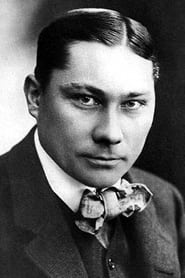
Paul Wegener
The Golem
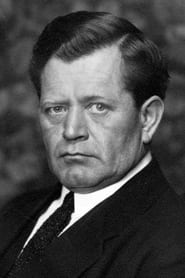
Albert Steinrück
Rabbi Loew

Lyda Salmonova
Miriam, the Rabbi's Daughter

Ernst Deutsch
Rabbi Famulus
H
Hans Stürm
Rabbi Jehuda, the Elder of the Community
M
Max Kronert
Temple Servant
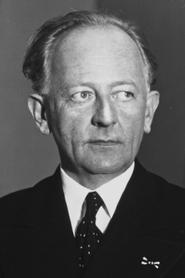
Otto Gebühr
Emperor
D
Dore Paetzold
Emperor's Concubine
L
Lothar Müthel
Knight Florian
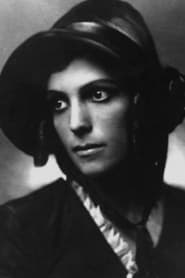
Greta Schröder
Young Woman with Rose

Loni Nest
Little Girl
C
Carl Ebert
Temple Servant (uncredited)
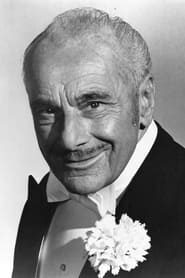
Fritz Feld
Jester (uncredited)
U
Ursula Nest
Little Girl (uncredited)
Crew
Hans Landsberger
composer
Paul Wegener
writer
Guido Seeber
cinematographer
Karl Freund
cinematographer
Henrik Galeen
writer