Kino Eye
Киноглаз
1924·78 min·SU
Director: Dziga Vertov
Documentary
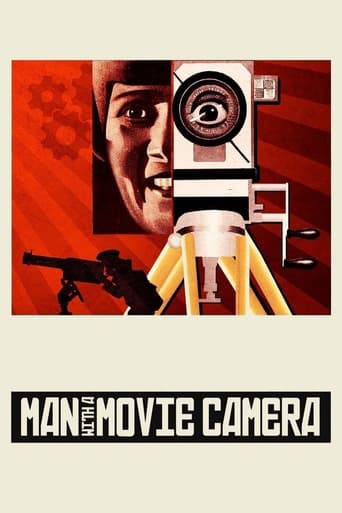
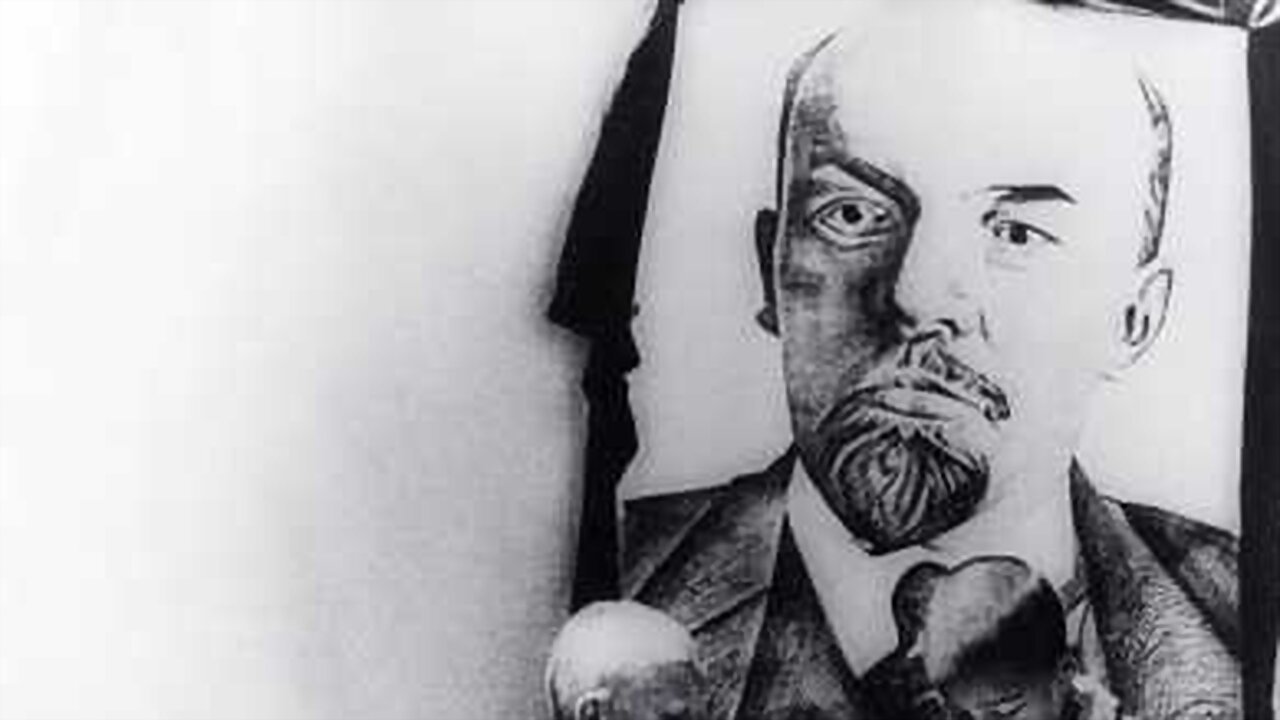
Dziga Vertov's radical documentary manifesto — the first feature-length expression of his "Kino-Eye" theory, which held that the camera could reveal truths invisible to the naked eye. Centering on the activities of Young Pioneer children in a Soviet village, the film uses reverse motion, slow motion, split screens, animation, and rapid-fire montage to transform everyday rural life into something vibrant and strange. Vertov was waging war against narrative fiction film, which he considered a bourgeois lie, and Kino Eye is his opening salvo: a joyful, playful, occasionally propagandistic experiment in pure documentary cinema. Essential context for understanding Man with a Movie Camera, which would push these same ideas to their breathtaking conclusion five years later.
Dziga Vertov's radical documentary manifesto — the first feature-length expression of his "Kino-Eye" theory, which held that the camera could reveal truths invisible to the naked eye. Centering on the activities of Young Pioneer children in a Soviet village, the film uses reverse motion, slow motion, split screens, animation, and rapid-fire montage to transform everyday rural life into something vibrant and strange. Vertov was waging war against narrative fiction film, which he considered a bourgeois lie, and Kino Eye is his opening salvo: a joyful, playful, occasionally propagandistic experiment in pure documentary cinema. Essential context for understanding Man with a Movie Camera, which would push these same ideas to their breathtaking conclusion five years later.
Watch
Where to Watch
Streaming data by JustWatch
Crew
Dziga Vertov
writer
Mikhail Kaufman
cinematographer