Mother
Мать
1926·87 min·SU
Director: Vsevolod Pudovkin
Drama
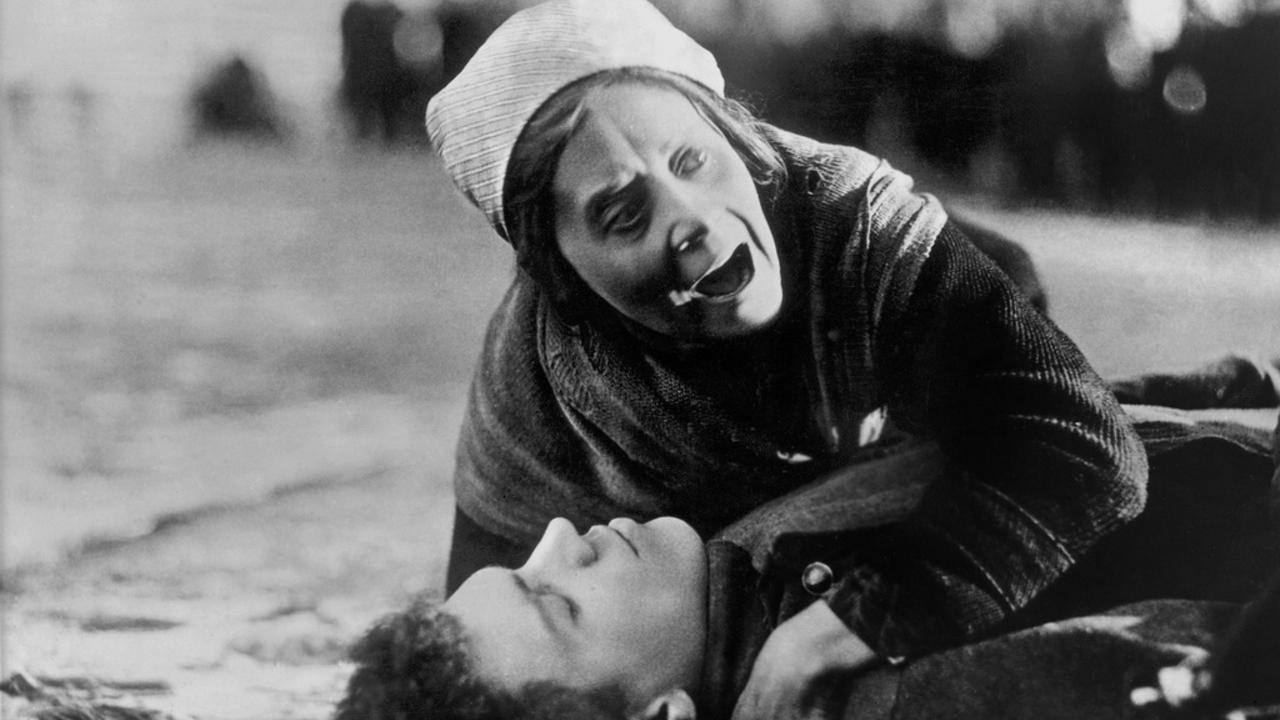
Vsevolod Pudovkin's deeply moving adaptation of Maxim Gorky's novel — and the film that proved Soviet montage cinema could break your heart as easily as it could break down barriers. A working-class mother, politically unaware and desperate to protect her family, inadvertently betrays her revolutionary son to the Tsarist police. Her gradual awakening to the cause he fights for drives the film toward a stunning climax set against the spring thaw of a frozen river — Pudovkin intercutting the breaking ice with the surging crowd in one of silent cinema's most powerful metaphorical sequences. Where Eisenstein worked with masses and abstractions, Pudovkin always began with individual human faces, and the result is a political film of remarkable emotional intimacy.
Vsevolod Pudovkin's deeply moving adaptation of Maxim Gorky's novel — and the film that proved Soviet montage cinema could break your heart as easily as it could break down barriers. A working-class mother, politically unaware and desperate to protect her family, inadvertently betrays her revolutionary son to the Tsarist police. Her gradual awakening to the cause he fights for drives the film toward a stunning climax set against the spring thaw of a frozen river — Pudovkin intercutting the breaking ice with the surging crowd in one of silent cinema's most powerful metaphorical sequences. Where Eisenstein worked with masses and abstractions, Pudovkin always began with individual human faces, and the result is a political film of remarkable emotional intimacy.
Watch
Explore Further
Mother (1926) - Writers Without Money — Writers Without Money
Critical perspective on Soviet cinema's approach to revolutionary narrative.
Ideology and Reality: Society and Vsevolod Pudovkin’s Mother (1926) - Senses of Cinema
Cara Marisa Deleon explores the tension between the film’s progressive ideals and its deeply patriarchal treatment of its female characters
Where to Watch
Streaming data by JustWatch
Cast
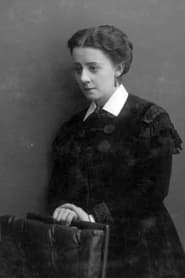
Vera Baranovskaya
Pelageya Nilovna Vlasova, the Mother
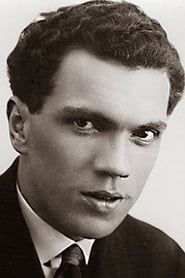
Nikolai Batalov
Pavel Vlasov, the Son
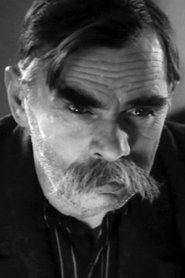
Aleksandr Chistyakov
Vlasov, the Father

Anna Zemtsova
Anna
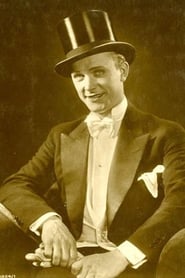
Ivan Koval-Samborskyi
Vessovchtchnikov
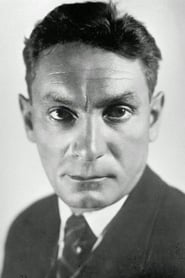
Vsevolod Pudovkin
Police Officer
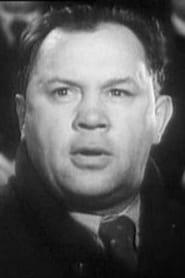
Ivan Bobrov
Young Prisoner
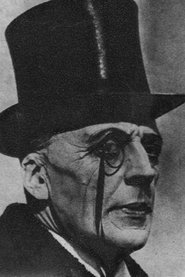
Pavel Poltoratskiy
Judge
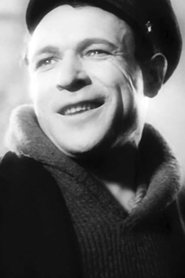
Fyodor Ivanov
Prison warden
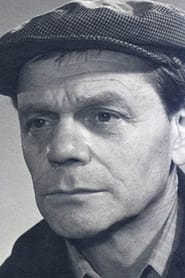
Vladimir Uralskiy
Student
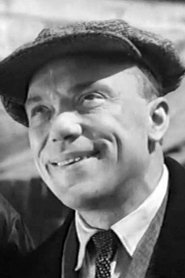
Vyacheslav Novikov
Worker
Crew
Nathan Zarkhi
writer
Anatoli Golovnya
cinematographer