Ballet Mécanique
1924·FR
DocumentaryFantasy
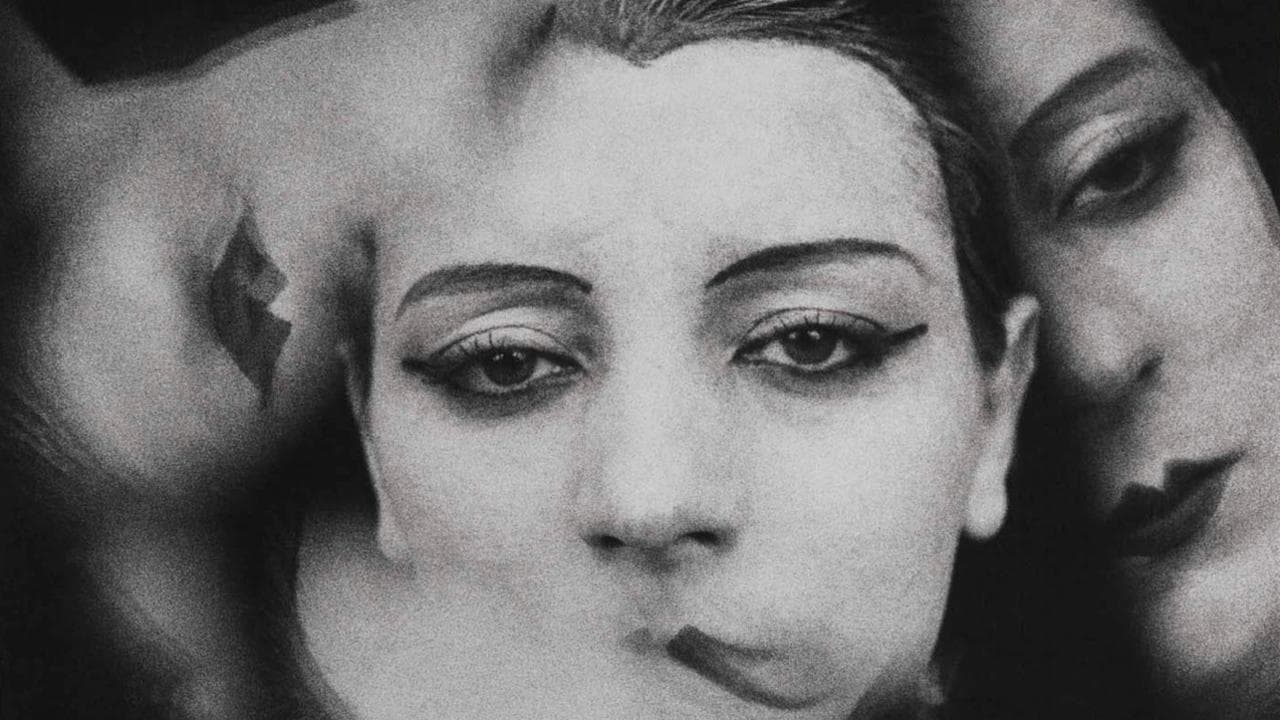
Fernand Léger and Dudley Murphy's kaleidoscopic short film — one of the purest expressions of the machine aesthetic in all of cinema. For nineteen pulsing minutes, images of pistons, gears, bottles, kitchen utensils, a woman's smile, and geometric shapes are assembled into rhythmic patterns that treat the screen as a canvas for pure visual music. Léger, already one of the twentieth century's great painters, understood that cinema's unique power lay in motion and repetition, and Ballet Mécanique exploits both with exhilarating precision. The original score by George Antheil — scored for player pianos, airplane propellers, and electric bells — was so complex it couldn't be performed live until the 1990s. A foundational work of abstract cinema and a thrilling reminder that movies don't need stories to move you.
Fernand Léger and Dudley Murphy's kaleidoscopic short film — one of the purest expressions of the machine aesthetic in all of cinema. For nineteen pulsing minutes, images of pistons, gears, bottles, kitchen utensils, a woman's smile, and geometric shapes are assembled into rhythmic patterns that treat the screen as a canvas for pure visual music. Léger, already one of the twentieth century's great painters, understood that cinema's unique power lay in motion and repetition, and Ballet Mécanique exploits both with exhilarating precision. The original score by George Antheil — scored for player pianos, airplane propellers, and electric bells — was so complex it couldn't be performed live until the 1990s. A foundational work of abstract cinema and a thrilling reminder that movies don't need stories to move you.
Watch
Cast

Crew
Fernand Léger
writer