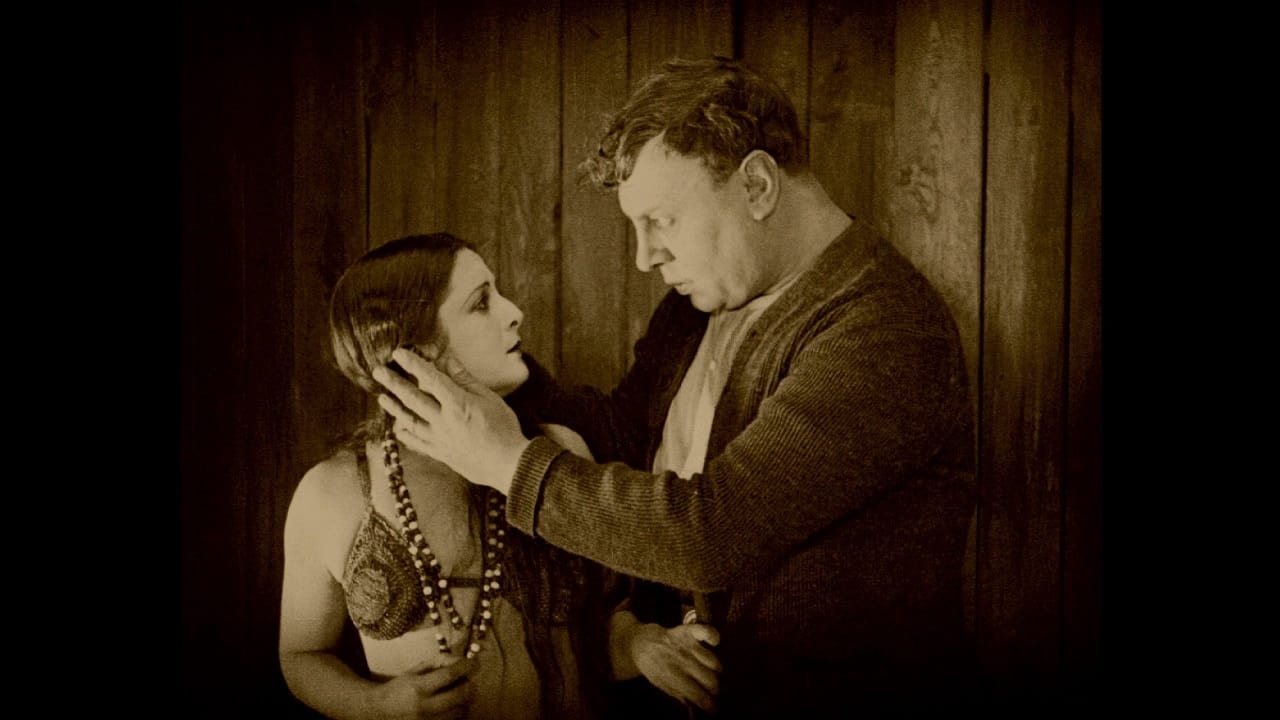
Variety
Varieté
1925·104 min·DE
Director: E.A. Dupont
DramaCrimeRomance
E.A. Dupont's electrifying melodrama set in the world of trapeze artists became one of the most commercially successful German films of the 1920s — and it's easy to see why. Emil Jannings plays Boss Huller, a former trapeze star now rotting in prison, who recounts the jealousy, passion, and murder that brought him there. The film comes blazingly alive in its circus sequences, where Karl Freund's camera swings from the trapeze itself, plunges into the crowd, and spins with the performers in a dizzying display of visual virtuosity that stunned audiences worldwide. The story is pure pulp — love triangle, betrayal, murder — but the filmmaking is so kinetic and inventive that it transcends its melodrama. A landmark in camera movement that directly influenced Hollywood's visual ambitions.
E.A. Dupont's electrifying melodrama set in the world of trapeze artists became one of the most commercially successful German films of the 1920s — and it's easy to see why. Emil Jannings plays Boss Huller, a former trapeze star now rotting in prison, who recounts the jealousy, passion, and murder that brought him there. The film comes blazingly alive in its circus sequences, where Karl Freund's camera swings from the trapeze itself, plunges into the crowd, and spins with the performers in a dizzying display of visual virtuosity that stunned audiences worldwide. The story is pure pulp — love triangle, betrayal, murder — but the filmmaking is so kinetic and inventive that it transcends its melodrama. A landmark in camera movement that directly influenced Hollywood's visual ambitions.
Watch
Explore Further
Where to Watch
Streaming data by JustWatch
Cast
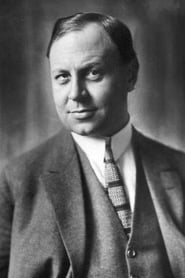
Emil Jannings
Boss Huller
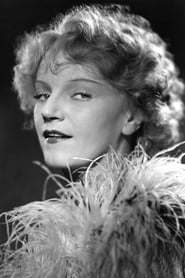
Maly Delschaft
Frau Huller
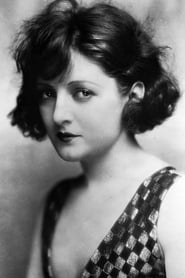
Lya De Putti
Bertha-Marie
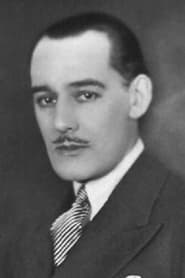
Warwick Ward
Artinelli

Alice Hechy
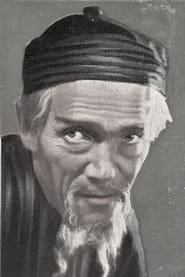
Georg John
Seemann
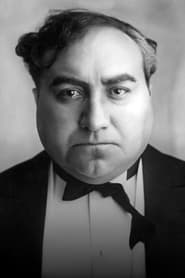
Kurt Gerron
Hafenarbeiter
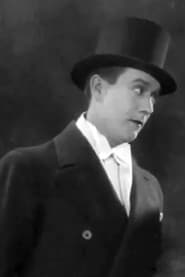
Paul Rehkopf
Zuschauer auf dem Jahrmarkt
C
Charles Lincoln
Spanischer Artist
G
Georg Baselt
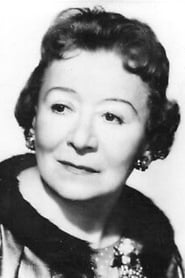
Trude Hesterberg
Zuschauerin im Varieté
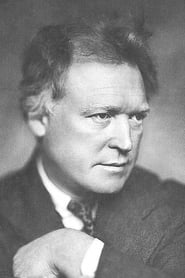
Werner Krauss

Etelka Maquita
Tänzer
E
Enrico Rastelli
Jongleur